
What Is Backflow Prevention? A Property Owner's Guide for NSW
If you have received a letter from Sydney Water asking you to install or test a backflow device, you are not alone. That letter lands in letterboxes across the Northern Beaches and North Shore every year, and most people have no idea what it means. Some ignore it. Others assume it does not really apply to them. Both responses can lead to real problems, including water supply disconnection.
Backflow prevention is one of those compliance requirements that most property owners never think about until they have to. But if your property poses a risk to the public drinking water supply, Sydney Water requires you to act, and on a deadline.
Eze-Flow Plumbing, an accredited backflow specialist based on Sydney's Northern Beaches and listed on the Sydney Water directory of accredited backflow plumbers, works with residential and commercial property owners across the Northern Beaches and North Shore who need to understand their obligations and know what to do next. This guide covers everything you need to know. If you would rather just speak to someone,
contact Eze-Flow Plumbing directly.
What Is Backflow Prevention?
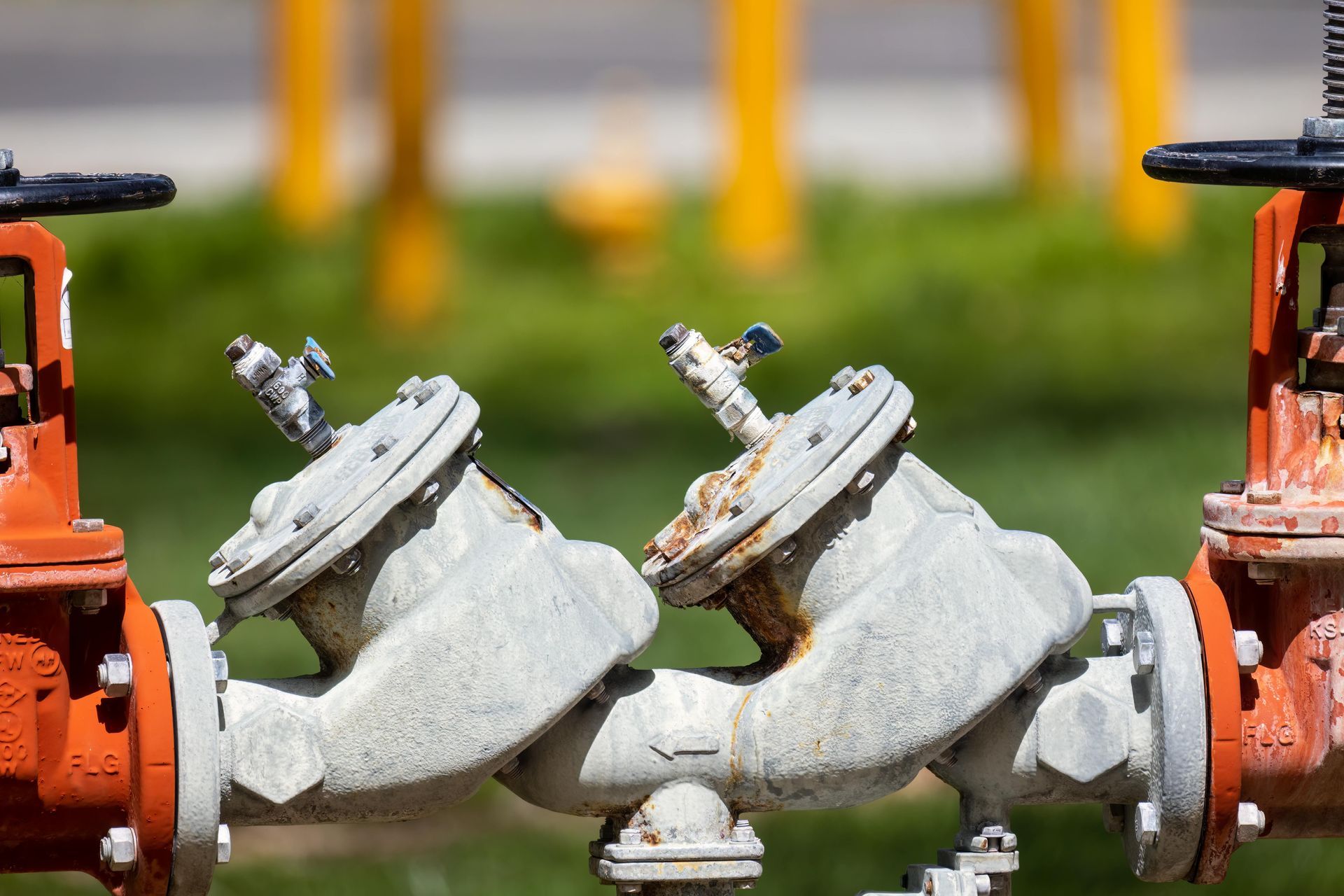
What is backflow prevention, exactly? In plain terms, it is the system of devices and practices designed to stop contaminated water from flowing backwards out of a private property and into the public drinking water supply. The mechanism behind it matters, so it is worth understanding.
Water normally flows in one direction: from Sydney Water's network into your property. Two things can reverse that. Back-pressure occurs when the pressure inside your plumbing rises above the pressure in the water main, pushing water back towards the source. Back-siphonage occurs when a sudden drop in main pressure, caused by a burst main, fire brigade usage, or heavy demand on the network, creates a vacuum effect that draws water backwards. A backflow prevention device acts as a one-way valve at the point where your property connects to Sydney Water's network, blocking either scenario from sending contaminated water into the shared supply.
Why Backflow Is a Risk to Your Drinking Water
The risk is not theoretical. It comes from something called a cross-connection: an unintended plumbing link between two water sources that should never mix. A garden irrigation line drawing from the mains while running through a tank of fertiliser. A commercial kitchen's dishwasher connected to a chemical dispenser. A cooling tower sharing a connection with a drinking water line. Under normal conditions, these do not cause problems. But when pressure reverses, whatever is in that secondary source can travel back into the supply.
Back-pressure events occur when a pump on your property pushes the system above the pressure of the incoming main. Back-siphonage events happen in moments of sudden pressure loss, the kind caused by a water main break nearby or a cluster of fire trucks drawing from a hydrant on your street. Sydney Water's network serves millions of properties across Sydney. A single unprotected cross-connection during one of these events is enough to contaminate water that reaches far beyond the source property, which is precisely why the compliance obligation exists.
Why Sydney Water Requires Backflow Prevention -- and What It Means for Your Property
What Contaminants Can Enter Through Backflow?
Backflow contamination is rarely visible. That is what makes it particularly dangerous. Common categories include bacteria and pathogens from wastewater or stored water sitting in tanks or ponds, chemical cleaning agents from industrial and commercial premises, and herbicides and pesticides from irrigation systems where garden chemicals are applied through a hose connected directly to the water supply.
If you have ever attached a garden hose to apply a product like Weed'N'Feed through a sprayer connected to your mains supply, and the water pressure dropped at that moment, those chemicals could be drawn back into your property's water line. It is a common setup on Northern Beaches properties and a genuine risk most homeowners never consider.
Physical debris from burst main events rounds out the list. In every case, you would not necessarily know anything had happened. Backflow contamination cannot be detected by appearance, smell, or taste without testing. This is why a properly installed, annually tested device is not just a compliance box to tick.
A common misconception is that a water filter provides the same protection. It does not. A filter cleans water that is already flowing through your system. It does not prevent back-pressure or back-siphonage from drawing contaminated water into your supply line in the first place. For medium and high hazard properties in NSW, a filter is not a compliant substitute for a certified backflow prevention device.
Which Properties in NSW Need a Backflow Prevention Device?
Under Sydney Water's requirements and Australian Standard AS/NZS 3500.1, all properties connected to the public water supply must be assessed for a hazard rating. That rating, low, medium, or high, determines what type of device is required and whether annual testing applies. Understanding
backflow prevention in plumbing starts with knowing where your property sits on that scale.
NSW Backflow Prevention Requirements: What Every Property Owner and Manager Should Know
Low Hazard Properties
A low hazard rating means the property poses a nuisance risk to the water supply but does not endanger health. Most standard residential homes in NSW with a 20 mm or 25 mm Sydney Water meter already have a low hazard device built directly into the meter. No separate testable device is required at that meter size. If your meter is larger than 25 mm, a separate non-testable containment device is needed. Standard homes with no irrigation connected to the mains, no pool top-up line on the water main, and no commercial activity on the premises typically fall into this category.
Medium Hazard Properties
A medium hazard property could endanger health if contamination enters the supply. Sydney Water requires a testable Double Check Valve Assembly (DCVA) for medium hazard drinking water connections. Multi-storey residential buildings, properties with fire services, and commercial premises where cross-connection risk exists but does not involve highly toxic substances are common examples. Strata buildings frequently fall into the medium hazard category, and in those cases the compliance obligation sits with the owners corporation, not individual lot owners.
Backflow Prevention for Strata Buildings: A Strata Manager's Practical Guide
High Hazard Properties
A high hazard property could cause death if contamination enters the supply. Sydney Water requires a Reduced Pressure Zone Device (RPZD), registered break tank, or registered air gap for high hazard connections. Commercial kitchens and restaurants, medical centres, hospitals, dentists, childcare centres, schools, mechanics, service stations, laundromats, car wash facilities, hotels, shopping centres, golf courses, and properties with irrigation systems using fertilisers or chemical additives are all typical examples.
One important detail: if a property's hazard rating has never been assessed, Sydney Water defaults to treating it as high hazard. That means the most restrictive device is required until a licensed accredited plumber completes a formal site assessment.
Commercial Kitchens and Backflow Prevention: What Food Businesses in NSW Must Have] [Internal link: Does Your Irrigation System Need a Backflow Preventer?
| Hazard Level | Example Property Types | Required Device | Annual Testing Required |
|---|---|---|---|
| Low | Standard homes (20/25 mm meter), small residential with no irrigation or pool mains connection | Device built into meter; non-testable containment for meters larger than 25 mm | No |
| Medium | Multi-storey buildings, properties with fire services, strata complexes | Testable Double Check Valve Assembly (DCVA) | Yes |
| High | Commercial kitchens, medical facilities, irrigation using chemicals, industrial sites | Reduced Pressure Zone Device (RPZD), registered break tank, or registered air gap | Yes |
Registered Devices vs Internal Devices: What Property Owners Often Miss
This distinction matters and it is one that no interstate competitor covers. Sydney Water typically requires only the devices connected to the main water meter or boundary connection, along with those protecting fire services, to be formally registered and reported annually. These are the devices that appear on their system and generate the annual reminder letters.
Many properties also have additional backflow prevention devices installed internally, protecting irrigation lines, commercial kitchen connections, plant rooms, and other equipment. These internal devices are not registered with Sydney Water. They will not appear on any compliance notice. But they are still required to function correctly and should be tested and maintained on the same annual cycle as the registered devices.
Because they sit outside the Sydney Water registration system, they are routinely overlooked. A property can be fully compliant on paper, with every registered device tested and certified, and still be running unserviced internal devices that pose a real contamination risk. If you manage a commercial building, strata complex, or any property with multiple water connections, it is worth having everything on site identified, not just the devices Sydney Water knows about.
If you are not receiving Sydney Water reminders at all, that is a separate issue. It likely means your device was never registered at installation. Eze-Flow Plumbing can identify all backflow devices on your property, register any that are missing from the Sydney Water system, and bring your compliance up to date with detailed certification documentation.
What Facility Managers Need to Know About Commercial Backflow Prevention Compliance in NSW] [Internal link: Backflow Prevention for Strata Buildings: A Strata Manager's Practical Guide
How Backflow Prevention Devices Work
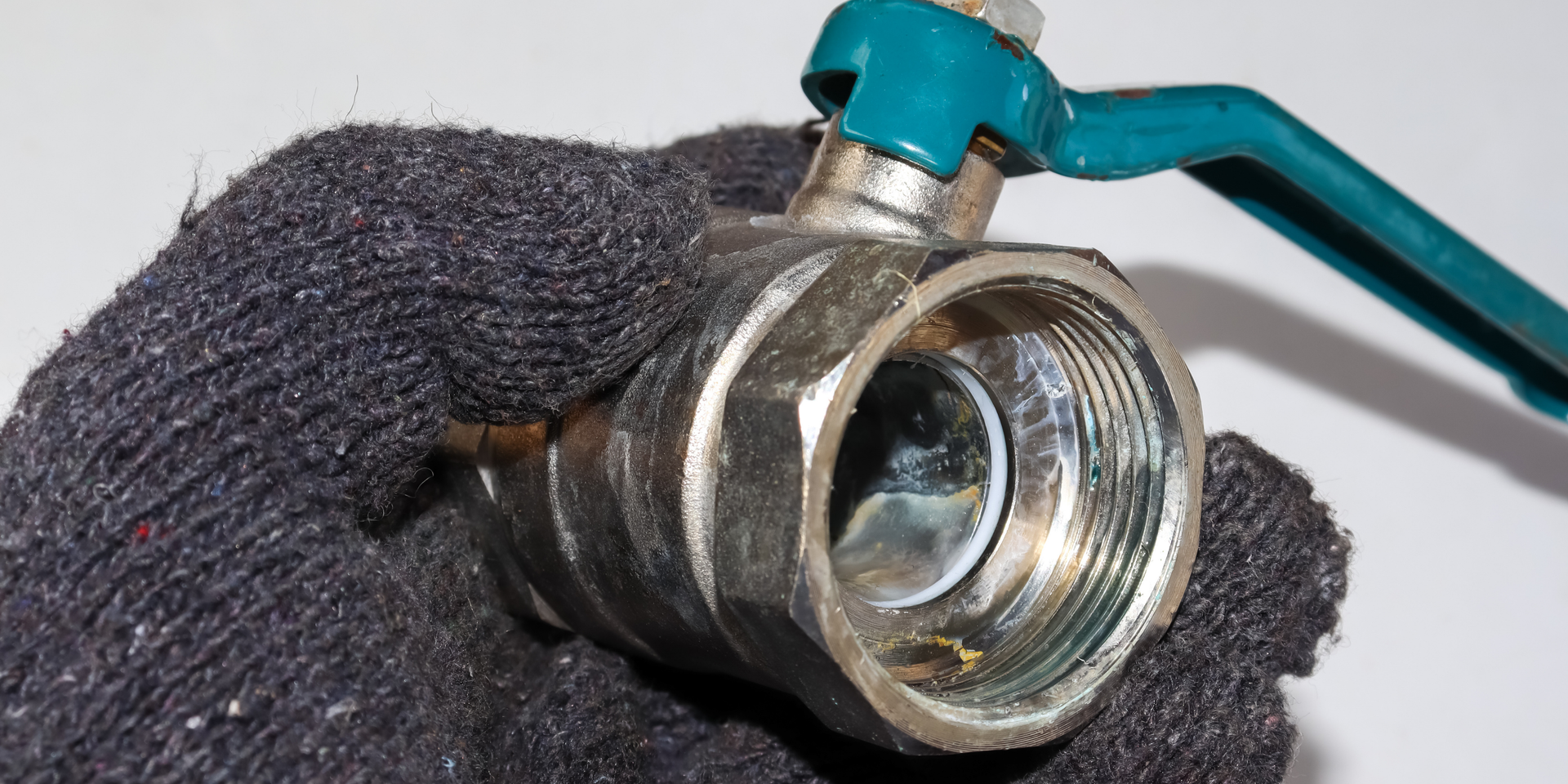
A backflow prevention device is fitted to your water supply line and acts as a mechanical gate. Under normal flow, the gate opens and water passes through. Under reverse pressure, it closes and holds. The specific mechanism depends on the device type, which is determined by your property's hazard rating.
Non-testable devices, such as dual check valves, are used in low hazard situations. They are simpler and cannot be pressure-tested for performance verification. Testable devices contain two or more check valves along with a pressure relief port, and can be formally tested and certified by an accredited plumber to confirm correct operation. For medium and high hazard properties, only testable devices meet Sydney Water's requirements.
It also helps to understand the difference between containment and individual or zone protection. Containment devices are installed at or near the water meter at the boundary between your property and Sydney Water's network, protecting the public supply from everything on your side. Individual and zone devices sit internally, protecting specific fixtures or sections of plumbing. Backflow prevention in plumbing compliance under Sydney Water's program is focused on containment. Individual and zone protection is a separate layer your licensed plumber can advise on.
The 4 Main Types of Backflow Prevention Devices Explained
What Is a Reduced Pressure Zone Device (and When Does Your Property Need One)?
Annual Testing: A Legal Requirement, Not a Suggestion
Testable devices at medium and high hazard properties must be tested annually in NSW by a licensed plumber holding specific backflow accreditation. After each test, the accredited plumber submits the results through Sydney Water's backflow prevention portal. Sydney Water maintains a register of all installed testable devices and issues annual reminders to registered property owners when testing is due.
If a device fails the test, it must be repaired or replaced before a compliant test report can be submitted. A failed device does not pause or extend the compliance deadline. Non-compliance can result in formal notices, financial penalties, and in serious cases, disconnection of the water supply at the meter.
Tip: Sydney Water's annual reminders only go to properties where the device was correctly registered at installation. If you are not receiving reminders, your device may never have been registered. Contact an accredited backflow plumber to check and rectify this before a compliance issue develops.
Low hazard properties with non-testable devices are not subject to the annual testing cycle, but the device still requires periodic maintenance to remain functional. For a broader overview of keeping your property's plumbing in good order, our
preventative plumbing maintenance checklist is a useful reference.
How Backflow Prevention Testing Works in NSW -- and Why It's Not Optional
Who Can Install and Test a Backflow Device in NSW?
Installing a backflow prevention device is plumbing work and must be carried out by a licensed plumber. Commissioning, testing, and certifying a testable device requires more than a standard plumbing licence. It requires a separate backflow accreditation issued by a registered training organisation, authorising the holder to perform pressure tests and submit compliance reports to Sydney Water directly. Building Commission NSW licenses plumbers in NSW; backflow accreditation is an additional, separate credential. If you are unsure what plumbing work requires a licence in NSW, our guide on whether DIY plumbing is legal in NSW covers what property owners need to know.
Before engaging anyone to commission or test a device, ask to see both the plumbing licence number and the backflow accreditation certificate. Sydney Water maintains a directory of accredited backflow plumbers. Eze-Flow Plumbing is listed on that directory and provides device installation, commissioning, annual testing, and compliance lodgement across the Northern Beaches, North Shore, and greater Sydney.
After testing is complete, the accredited plumber lodges the report directly with Sydney Water on your behalf. Always request a copy of the test certificate for your own records, particularly if the property is a strata building or managed commercial asset where documentation is reviewed during audits.
What Is a Certified Backflow Prevention Tester -- and Why Does It Matter Who You Call?
What To Do If You Have Received a Sydney Water Backflow Notice
If a letter has arrived from Sydney Water about a backflow device on your property, here is what to do.
Step 1: Read the notice carefully. It will specify the required action (install a device, arrange an annual test, or rectify a non-compliant or failed device) and the deadline you must meet.
Step 2: Contact an accredited backflow plumber promptly. The plumber will visit the property, assess the hazard rating if needed, and advise on the correct device or testing process. Do not wait until close to the deadline.
Step 3: Do not ignore the deadline. Sydney Water conducts compliance audits and has the authority to restrict or disconnect the water supply to properties that remain non-compliant after the deadline passes.
Step 4: Keep your records. Once testing or installation is complete, your accredited plumber lodges the report with Sydney Water. Request a copy of the test certificate for your files. For strata buildings and commercial properties, this documentation is essential for compliance registers and future audits.
The process is straightforward with the right plumber. What makes it complicated is leaving it too long.
NSW Backflow Prevention Requirements: What Every Property Owner and Manager Should Know
What Is a Certified Backflow Prevention Tester -- and Why Does It Matter Who You Call?
Backflow Prevention for Strata, Commercial and Managed Properties
Not all backflow obligations work the same way, and the property type matters.
In strata buildings, the containment device is generally the responsibility of the owners corporation rather than individual lot owners. Strata managers need to know which devices are installed, maintain a testing schedule, and keep compliance records for Sydney Water. Many strata buildings also have internal devices beyond those registered with Sydney Water that need the same annual attention. For a broader look at how plumbing compliance works across strata properties, see our guide to common plumbing issues in strata properties.
For commercial properties, the picture can change whenever the tenancy changes. A new commercial kitchen, a laboratory, or an upgraded irrigation system can shift a property's hazard rating and trigger new device requirements. The property owner carries the compliance obligation, not just the tenant. Our overview of common commercial plumbing problems covers how backflow sits alongside other compliance considerations for business owners.
Facility managers overseeing multi-tenancy buildings need a clear maintenance register, a reliable annual testing schedule, and an accredited plumber who understands both the Sydney Water reporting requirements and the often-missed distinction between registered and internal devices.
Backflow Prevention for Strata Buildings: A Strata Manager's Practical Guide
What Facility Managers Need to Know About Commercial Backflow Prevention Compliance in NSW
Conclusion
Backflow prevention is a legal requirement for many NSW properties, and the compliance process is not complicated once you understand what is involved. The key is knowing your hazard rating, having the right device installed, and keeping up with annual testing through an accredited plumber who lodges results directly with Sydney Water.
Whether you received a notice this week, are renovating and want to get ahead of your obligations, or manage a strata or commercial building with multiple devices to track, the next step is the same. If you have questions about your property's backflow prevention obligations,
Eze-Flow Plumbing is available to help, serving residential and commercial properties across Sydney's Northern Beaches and North Shore.
Key Takeaways
- Backflow prevention stops contaminated water from flowing backwards out of a private property and into the public drinking water supply, protecting the health of the broader community.
- In NSW, all properties connected to Sydney Water's network must be assessed for a hazard rating (low, medium, or high), which determines the device type required and whether annual testing applies.
- High hazard properties, including commercial kitchens, irrigation systems using chemicals, and medical facilities, require a Reduced Pressure Zone Device, the most protective category of testable containment device.
- Testable devices at medium and high hazard properties must be tested annually by a licensed plumber holding specific backflow accreditation, with results lodged through Sydney Water's backflow portal.
- A water filter is not a substitute for a certified backflow prevention device: filters treat water already flowing through the system but do not prevent back-pressure or back-siphonage from drawing contaminated water into the supply line.
- Many properties have additional internal backflow devices, protecting irrigation, commercial kitchens, or plant rooms, that are not registered with Sydney Water but still require annual testing and maintenance. These are commonly overlooked.
Frequently Asked Questions About Backflow Prevention
What is backflow prevention?
What is backflow prevention in practical terms? It is the combination of devices and practices installed in a plumbing system to stop contaminated water from reversing direction and entering the public drinking water supply. Backflow occurs when pressure in the water main drops below the pressure inside a property's plumbing, or when a pump increases pressure on the property side, causing water to flow back towards the source. Prevention devices act as one-way valves that allow water to enter a property but block it from flowing back into the shared network.
Does my NSW property need a backflow prevention device?
It depends on your property's hazard rating. Most standard homes in NSW with a 20 mm or 25 mm Sydney Water meter already have a low hazard device built into the meter itself, so no additional device is required. Properties with irrigation systems connected to the mains, fire services, commercial operations, or any connection that poses a risk to water quality are likely to need a separate testable device. An accredited backflow plumber can assess your property and confirm your obligations under Sydney Water's requirements.
What are the four types of backflow prevention devices?
The four main categories used in Australian plumbing are the Atmospheric Vacuum Breaker (AVB), the Pressure Vacuum Breaker (PVB), the Double Check Valve Assembly (DCVA), and the Reduced Pressure Zone Device (RPZD). Each is approved for a different hazard level under Australian Standard AS/NZS 3500.1, and the correct device for your property is determined through a formal hazard assessment by an accredited plumber, not by the property owner.
The 4 Main Types of Backflow Prevention Devices Explained
What happens if my property does not have a required backflow device?
Sydney Water can issue a formal compliance notice requiring the device to be installed by a specified deadline. If the property remains non-compliant after that deadline, Sydney Water has authority to restrict or disconnect the water supply. Beyond the compliance consequence, an unprotected cross-connection creates a genuine contamination risk to the shared network, which is the underlying reason the obligation exists.
How often does a backflow prevention device need to be tested?
Testable backflow prevention devices at medium and high hazard properties must be tested annually. Sydney Water sends annual reminders to registered property owners when testing is due, and the accredited plumber lodges the test results through the Sydney Water backflow portal after each completed test. If a device is not registered with Sydney Water, no reminder will be sent, so it is worth confirming with an accredited plumber that all devices on your property are correctly registered.
Can a water filter replace a backflow prevention device?
No. These are two completely different things. A water filter treats water that is already flowing through your plumbing system. It does not prevent a back-pressure or back-siphonage event from drawing contaminated water into your supply line in the first place. A backflow prevention device stops contamination at the point of entry, before it reaches your property. For medium and high hazard properties in NSW, a water filter is not a compliant substitute for a certified backflow prevention device under Sydney Water's requirements.
What is a Reduced Pressure Zone Device?
A Reduced Pressure Zone Device (RPZD) is the highest-protection testable backflow prevention device and is required at high hazard properties. It uses a combination of two check valves and a differential pressure relief valve between them. The design ensures that even if both check valves fail simultaneously, the pressure zone maintained inside the device prevents contaminated water from entering the supply. It must be installed by a licensed plumber and tested annually by an accredited backflow tester.
What Is a Reduced Pressure Zone Device (and When Does Your Property Need One)?
Who can test a backflow prevention device in NSW?
Only a licensed plumber who also holds backflow accreditation issued by a registered training organisation can commission, test, and certify testable backflow prevention devices in NSW. A standard plumbing licence alone does not authorise this work. Before engaging a plumber for backflow testing, ask for both their plumbing licence number and their backflow accreditation certificate. Sydney Water publishes a directory of accredited backflow plumbers that you can use to verify credentials.
What Is a Certified Backflow Prevention Tester -- and Why Does It Matter Who You Call?
My property has backflow devices but I have never received a Sydney Water letter. Is that normal?
Not necessarily. Sydney Water only sends reminders for devices that were correctly registered on their system at the time of installation. If you are not receiving letters, it is likely that the devices on your property were never registered with Sydney Water and may never have been formally tested. This is more common than many property owners realise, particularly on older commercial buildings and strata complexes. An accredited backflow plumber can inspect your property, identify all devices on site, register any that are missing from the Sydney Water system, and bring your compliance up to date.
What contaminants can enter through backflow?
Backflow contamination is almost always invisible. Common contaminants include bacteria and pathogens from stored water in tanks or ponds, chemical cleaning agents and solvents from commercial or industrial premises, herbicides and pesticides from irrigation systems where chemicals are applied through a hose connection to the water supply, and physical debris from burst main events. The absence of visible discolouration or smell does not mean the water is safe, which is why an annual test by an accredited plumber is the only reliable way to confirm a device is functioning correctly and your supply is protected.
You Might Also Like: