
Is DIY Plumbing Legal in NSW, Australia?
The idea of fixing a plumbing problem yourself or DIY plumbing fixes might seem like a good way to save money. After all, how hard can it be to replace a tap or unclog a drain? In Australia, the trend of DIY home repairs is growing, but when it comes to plumbing, there are strict laws in place.
Before you pick up a wrench, it's best to know what you’re legally allowed to DIY plumbing in Australia and what should be left to a professional.
Is DIY Plumbing Illegal in Australia?
Plumbing is heavily regulated across the country to guarantee safety and compliance with national health standards. Is DIY Plumbing Illegal? It actually depends on the type of work being done.
While there are some simple tasks homeowners can handle, most plumbing work must be done by a licensed plumber. Each state and territory has its own set of rules, so checking local regulations before attempting any repairs is a must.
Doing unlicensed plumbing work is risky and can lead to serious consequences. Faulty plumbing can cause water contamination, leaks, structural damage and even health hazards. That’s why Australian laws are strict about who can work on plumbing systems.
Understanding the Legalities of DIY Plumbing in NSW
In New South Wales, plumbing is a licensed trade governed by the Plumbing and Drainage Act 2017. While there are national plumbing standards, each state enforces its own specific laws.
Here’s what you need to know:
- Only licensed plumbers can perform most plumbing work.
- Unlicensed plumbing work can result in heavy fines or legal action.
- Some minor plumbing maintenance can be done DIY, but it must comply with local laws.
- Incorrect plumbing work can lead to property damage and health risks.
Before taking on any plumbing project, it's best to check with the NSW Fair Trading website or consult a professional to avoid costly mistakes.
Potential Consequences of DIY Plumbing
Trying to fix plumbing issues yourself might seem like a money-saver, but the risks far outweigh the benefits. Here’s what can go wrong:
Legal Actions and Financial Penalties
NSW has strict laws against unlicensed plumbing work. Fines can be thousands of dollars and, if the work causes damage, you could be liable for even more expenses.
Plumbing Issues and Costly Repairs
DIY plumbing mistakes often lead to bigger problems. A small leak might turn into a burst pipe, which can cost a fortune to fix.
Health and Safety Risks
Poorly installed pipes and fittings can cause contamination, leaks or even gas-related hazards.
Wastewater Management Problems
Mishandling wastewater can create environmental issues and sanitation problems.
What is Considered Illegal DIY Plumbing in Australia?
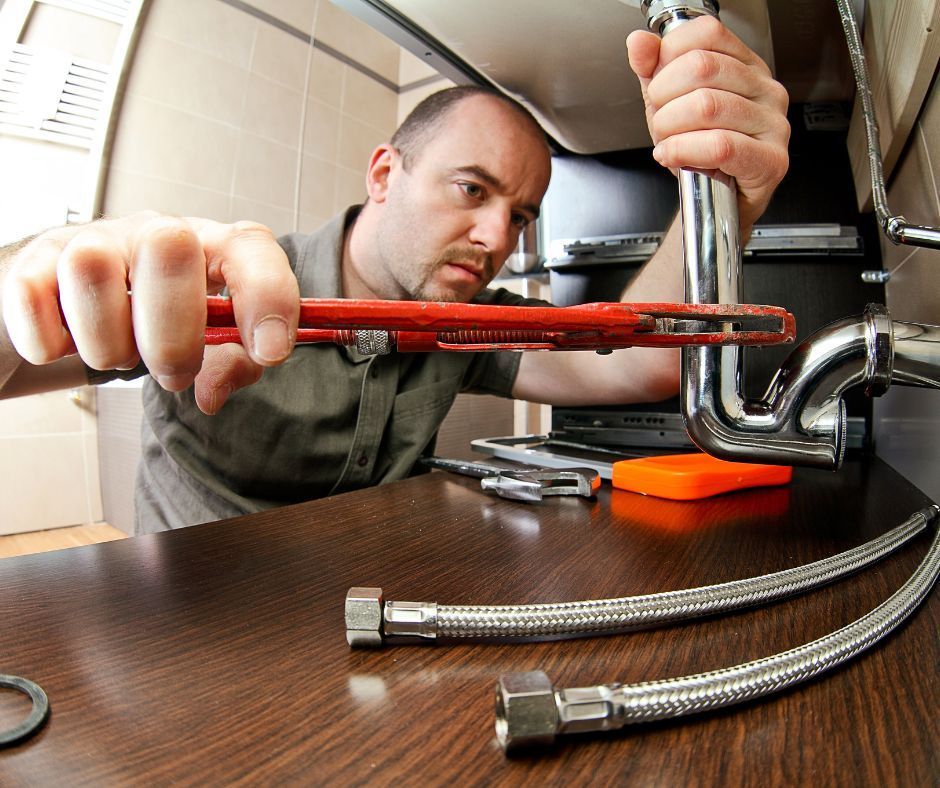
While some minor maintenance tasks are allowed, several plumbing jobs are strictly off-limits for DIY plumbing in Australia. Some common tasks that require a licensed plumber are:
Installation of New Plumbing Fixtures or Appliances
Whether it's a new toilet, sink or dishwasher, installing plumbing fixtures requires expertise to make sure everything is connected correctly and up to code.
Blocked Drains or Sewerage Problems
Unblocking a simple drain with a plunger is fine, but anything beyond that, like sewer pipe or main sewer line blockages, needs a licensed plumber.
Gas Fitting and Repairs
Gas-related work is strictly regulated for safety reasons. Only licensed gas fitters can install, repair or service gas appliances.
Hot Water System Installation and Repair
Incorrectly installed hot water systems can cause scalding, gas leaks or even explosions. This job must always be left to a professional.
Performing Roof Plumbing Work
Roof plumbing, which includes installing gutters, downpipes and stormwater systems, must be handled by a licensed professional.
Modifying Plumbing Systems
Any changes to existing plumbing, including extending or relocating pipes, need proper permits and certification.
Issues Involving Drinking Water, Hot Water or Laundry Systems
To protect water quality, any work involving drinking water or major water connections must be done by a professional.
DIY Plumbing Tasks You Can Do
These are the minor jobs that homeowners can legally do themselves:
Fixing a Minor Leaky Tap
Replacing a worn-out washer with a tap is a simple fix that doesn't require any special skills.
Unclogging a Drain
Declogging minor blockages can be done by homeowners.
Replacing a Showerhead
Swapping out an old showerhead for a new one is a straightforward task that doesn't interfere with the plumbing system.
Installing a New Toilet Seat
Since this doesn’t involve plumbing connections, this falls under DIY plumbing which homeowners can easily do on their own.
DIY Plumbing Guide: How to Stay Compliant
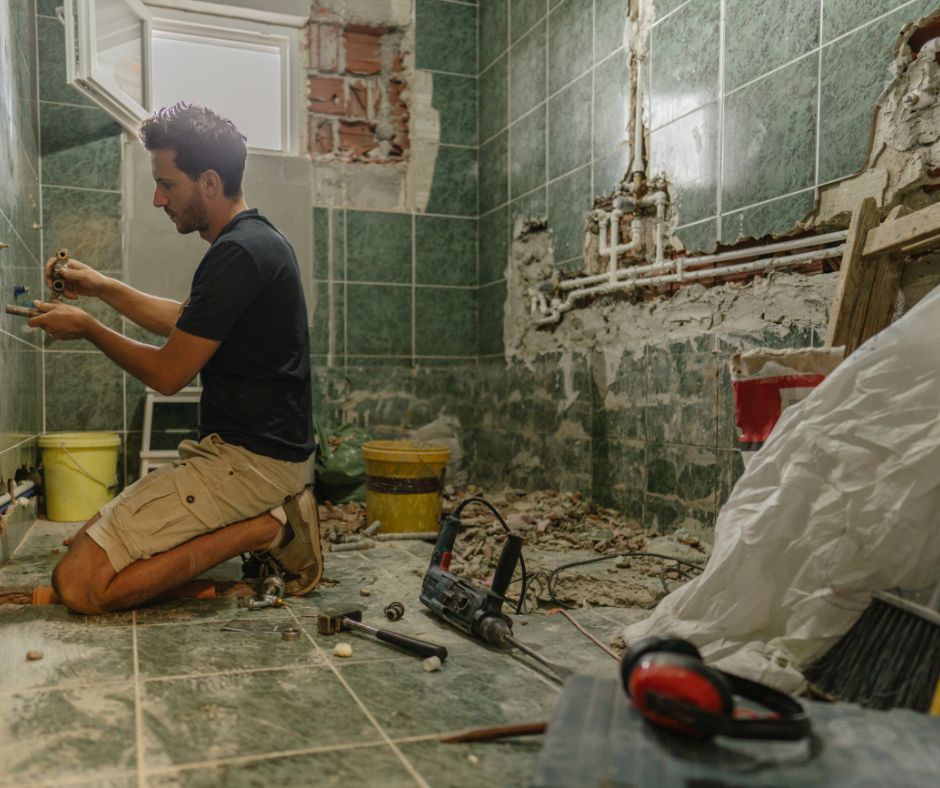
If you’re thinking about doing minor plumbing work yourself, follow these steps to stay within the legal limits:
Know the Plumbing Regulations in Your Area
Each state has different plumbing laws, so always check with NSW Fair Trading before starting any work.
Identify Permitted DIY Plumbing Tasks
Stick to minor maintenance and avoid any jobs that require new installations, modifications or dealing with water supply connections.
Comply with Water Meter Installations
Water meters and main water connections are strictly regulated and must be handled by a licensed plumber.
Keep a Record of Your DIY Plumbing Work
If you do any minor plumbing repairs, document them in case they need to be checked later.
Stay Informed About Changes in Regulations
Plumbing laws can change, so keeping up to date makes sure you don’t accidentally break the rules.
Stay Away from the Risks of DIY Plumbing – Eze-Flow Plumbing is Here to Keep Your Plumbing in Good Shape and Compliant!
Is DIY Plumbing Illegal? In many cases, yes. Most plumbing work requires a licensed professional to guarantee safety and compliance with the law.
DIY plumbing might seem like a quick fix, but one small mistake can turn into a costly disaster. Whether it’s a blocked drain, a leaking pipe or a hot water unit issue, calling a licensed professional is always the safest option.
At
Eze-Flow Plumbing, we provide expert plumbing services that keep your
residential plumbing and
business plumbing safe, compliant and problem-free. Don’t risk fines, damage or unsafe water.
Get in touch with us for reliable and legal plumbing solutions!
You Might Also Like: