

Why Is Water Pooling in My Backyard?
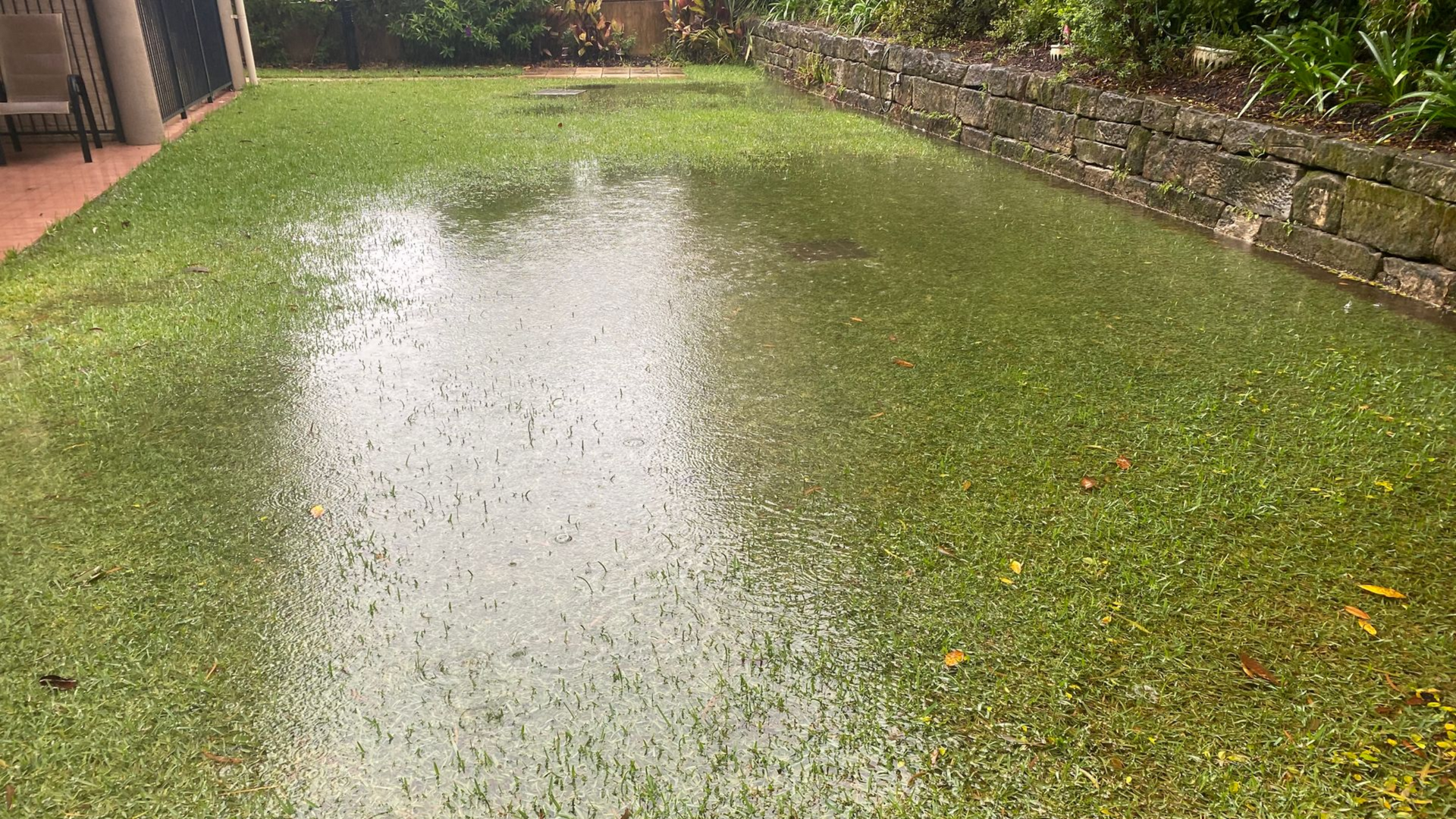
If you've noticed water sitting in your backyard after rain, it's a sign that something isn't draining as it should. While a small amount of surface water may disappear within a few hours, ongoing pooling can damage your lawn, gardens, paving and even your home's foundations if left unresolved.
Common Reasons Water Pools in a Backyard
Blocked Stormwater Drains
Leaves, dirt, tree roots and debris can block underground stormwater pipes, stormwater pits and grate drains, preventing rainwater from flowing away properly.
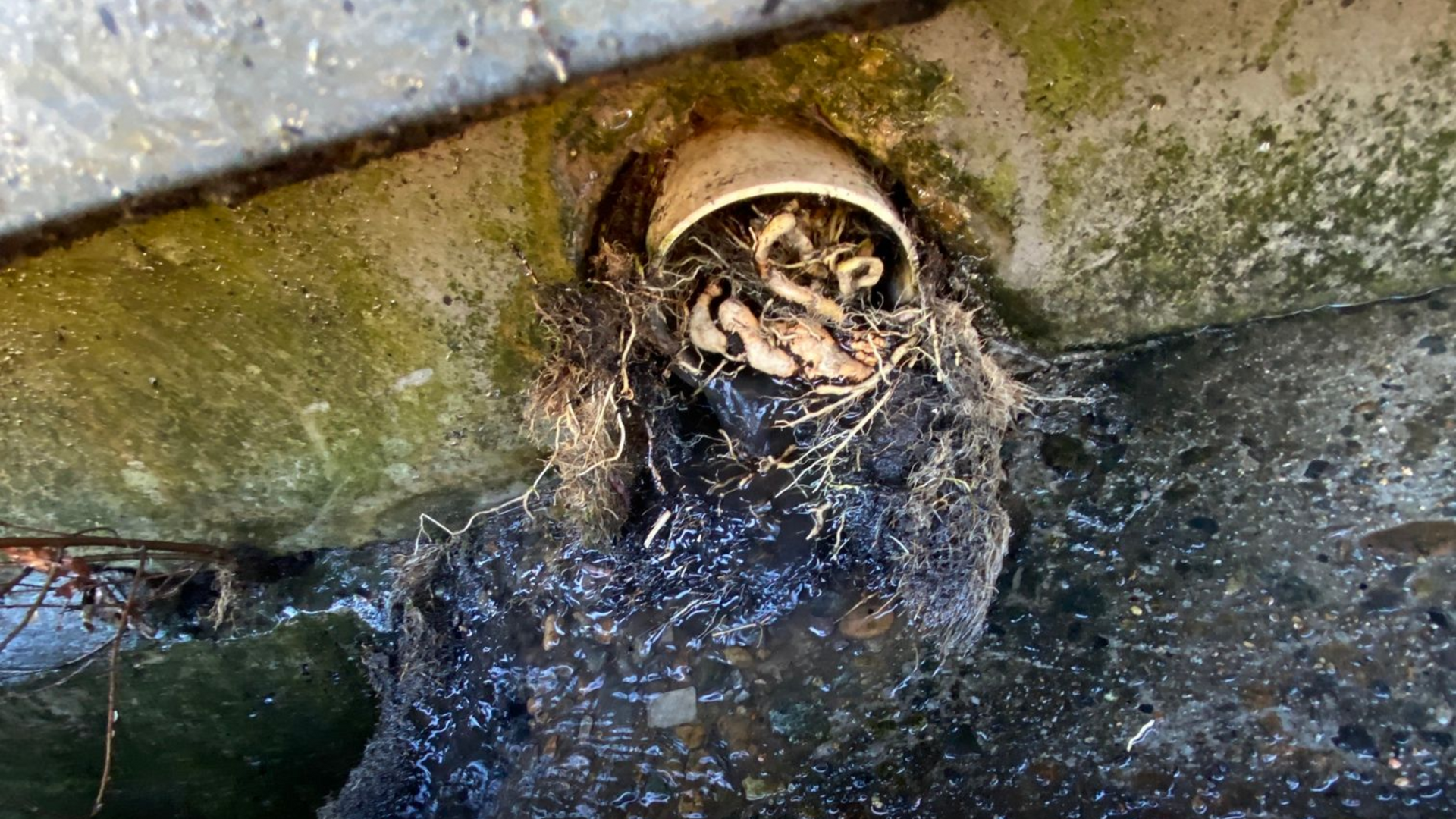
One issue we regularly see across Sydney's Northern Beaches and North Shore is blocked stormwater outlets at the street kerb. Moss, dirt and large amounts of leaves can completely block the outlet where your property's stormwater system discharges into the street. When this happens, rainwater has nowhere to go and backs up through the entire stormwater system, often causing water to pool around the property.
We've attended properties where the entire stormwater system was working perfectly, but the only problem was a kerb outlet completely blocked with moss and leaves. Once the outlet was cleared, the backyard drained normally again.
Many homeowners don't realise that the stormwater outlet at the kerb is their responsibility. It's a simple issue that's easy to overlook, but it can have a significant impact on how your stormwater system performs.
Poor Drainage Design
Some properties simply don't have enough drainage, or the existing system wasn't designed to cope with today's heavier rainfall. Water naturally flows to the lowest point, so if the drainage system isn't installed with the correct fall or doesn't have enough collection points, the water has nowhere to escape.
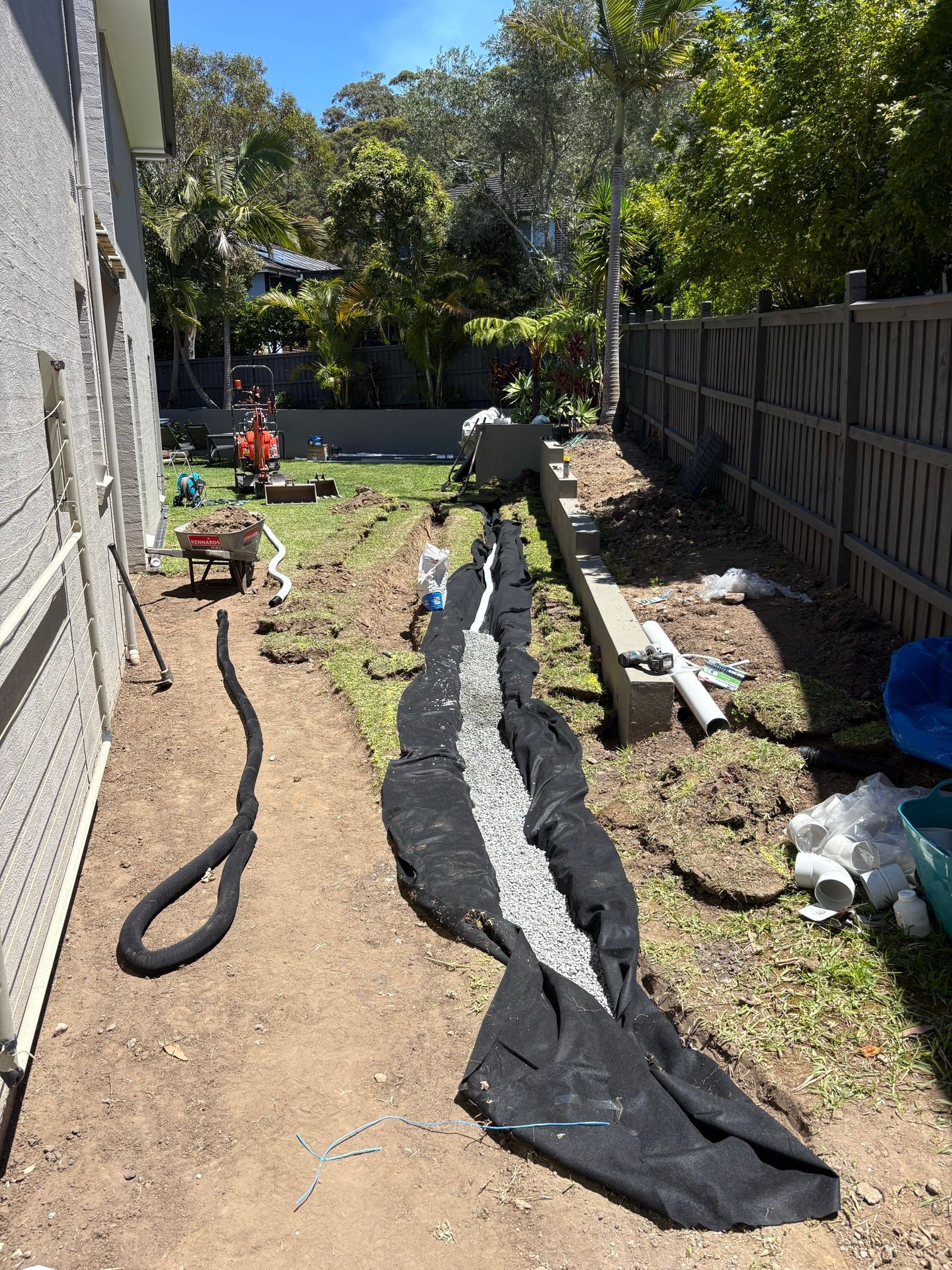
Unfortunately, we've seen an increasing number of properties where new landscaping has been completed without the drainage being installed correctly. Agricultural (aggy) drains need to be wrapped in geofabric and surrounded by the correct drainage aggregate. Simply laying the pipe in the ground allows it to fill with silt, often rendering it ineffective within months.
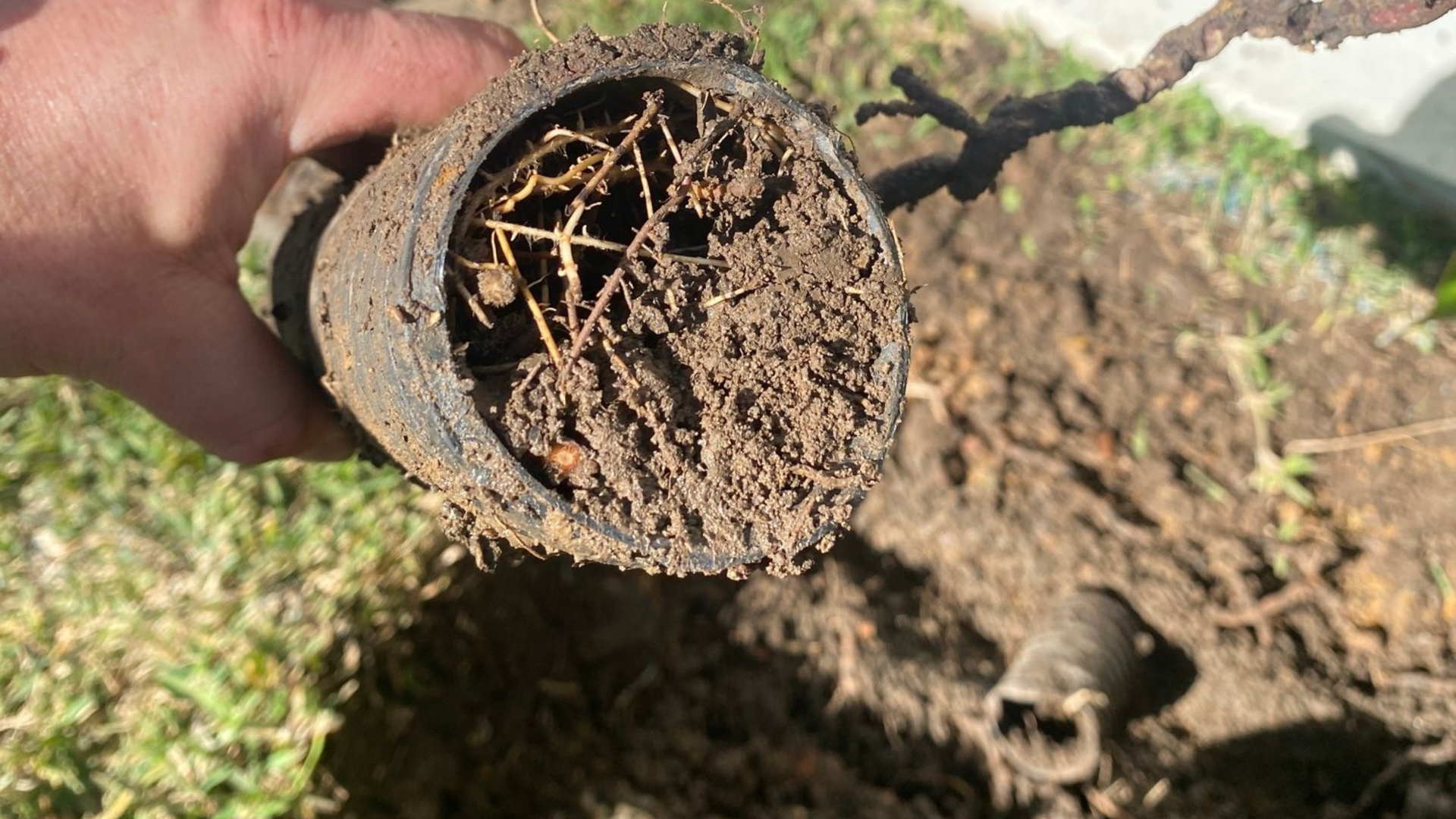
Tree Root Damage
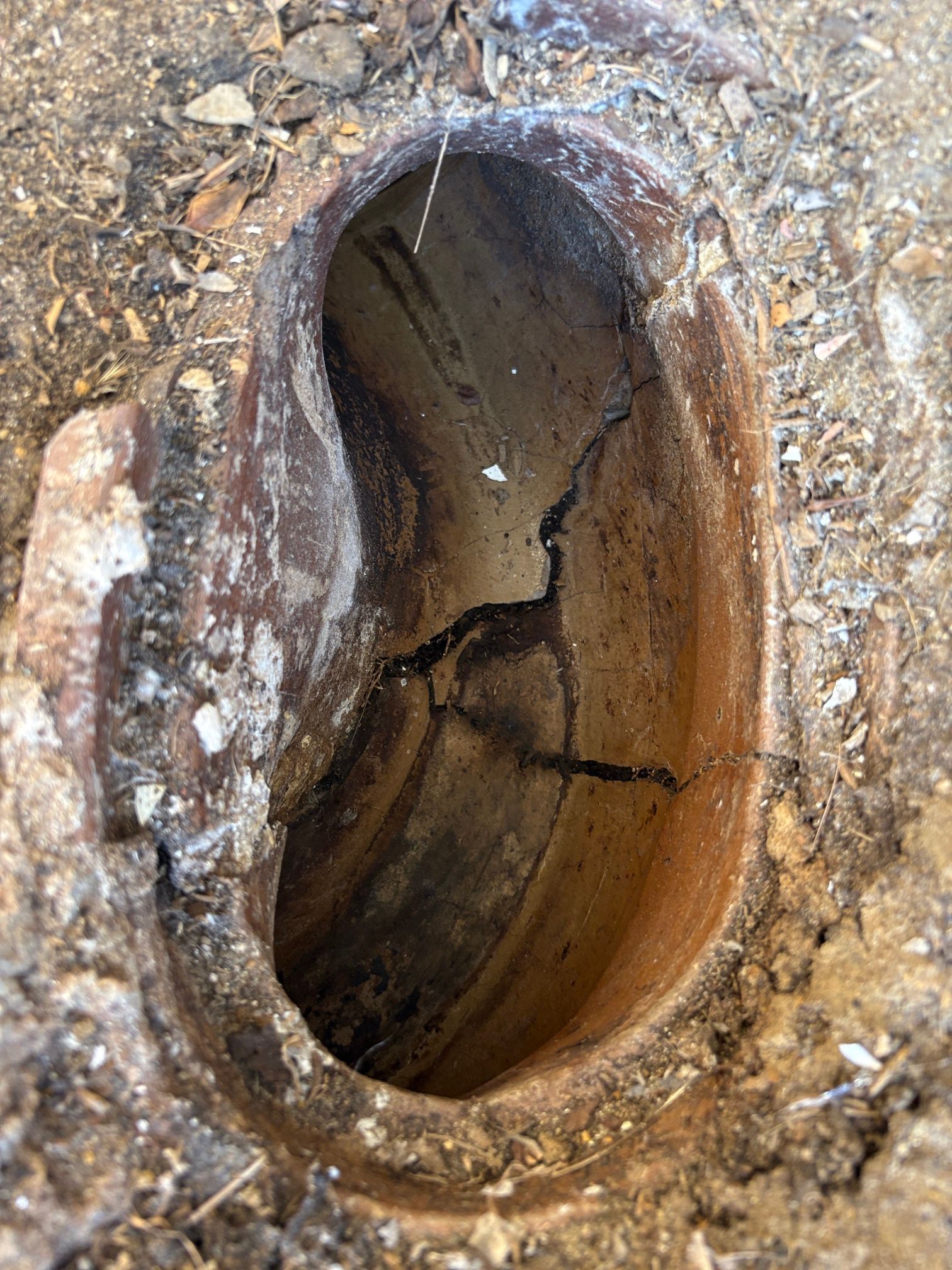
Tree roots naturally seek nutrient-rich moisture and can enter the smallest cracks in underground stormwater pipes, stormwater pits and grate drains. As the roots grow, they restrict the flow of stormwater, causing blockages and ongoing drainage problems.
Large established trees can have root systems extending many metres in search of moisture. Around Sydney Northern Beaches, gum trees are probably the biggest culprits we come across—they're the destroyers of underground pipes.
Bamboo is another one. It might make a great privacy screen, but it's certainly no friend to your drainage system. Its roots spread aggressively and don't pay much attention to property boundaries, happily finding their way into the smallest cracks in underground pipes.
Once roots get inside a pipe, they just keep growing, catching leaves, silt and debris until the stormwater line eventually blocks.
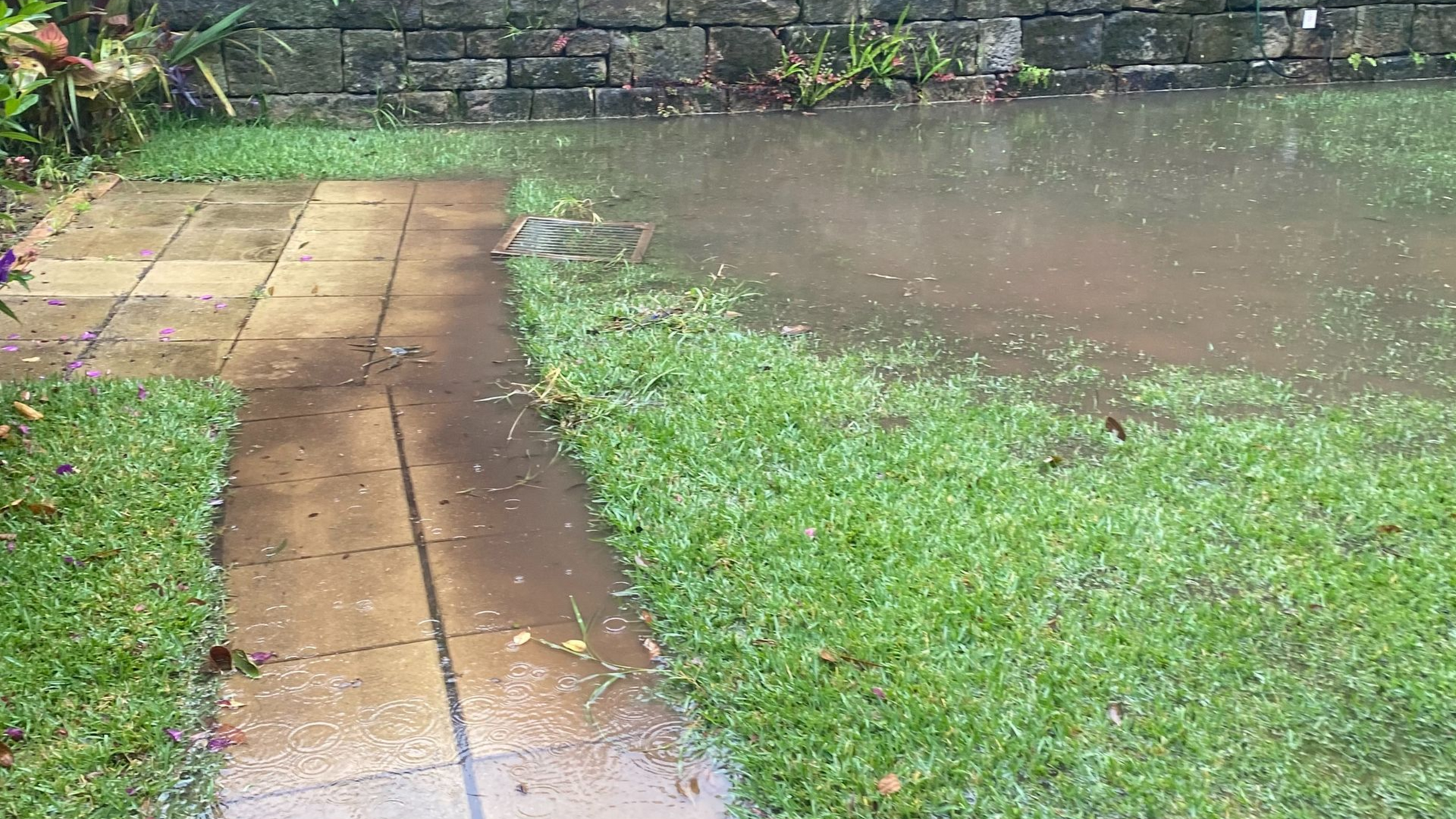
Foreign Objects in Stormwater Drains
One of the more surprising causes of blocked stormwater drains is foreign objects. Every year we remove hundreds of tennis balls, golf balls, toy cars, plastic toys and other items from stormwater systems across Sydney's Northern Beaches and North Shore.
Children are naturally curious, and stormwater grates can look like the perfect place to see "where things go." We've attended properties where toddlers have dropped decorative pebbles and path stones into grate drains one by one. It might seem harmless at the time, but over weeks or months those stones can build up inside the pipework until the entire stormwater line becomes blocked.
Once that happens, clearing the blockage usually requires high-pressure water jetting to flush thousands of stones back out of the drainage system.
If you have young children, it's worth checking that outdoor stormwater grates remain covered and aren't being used as an accidental "treasure chute." Preventing foreign objects from entering the drainage system is much easier—and far less expensive—than removing them later.
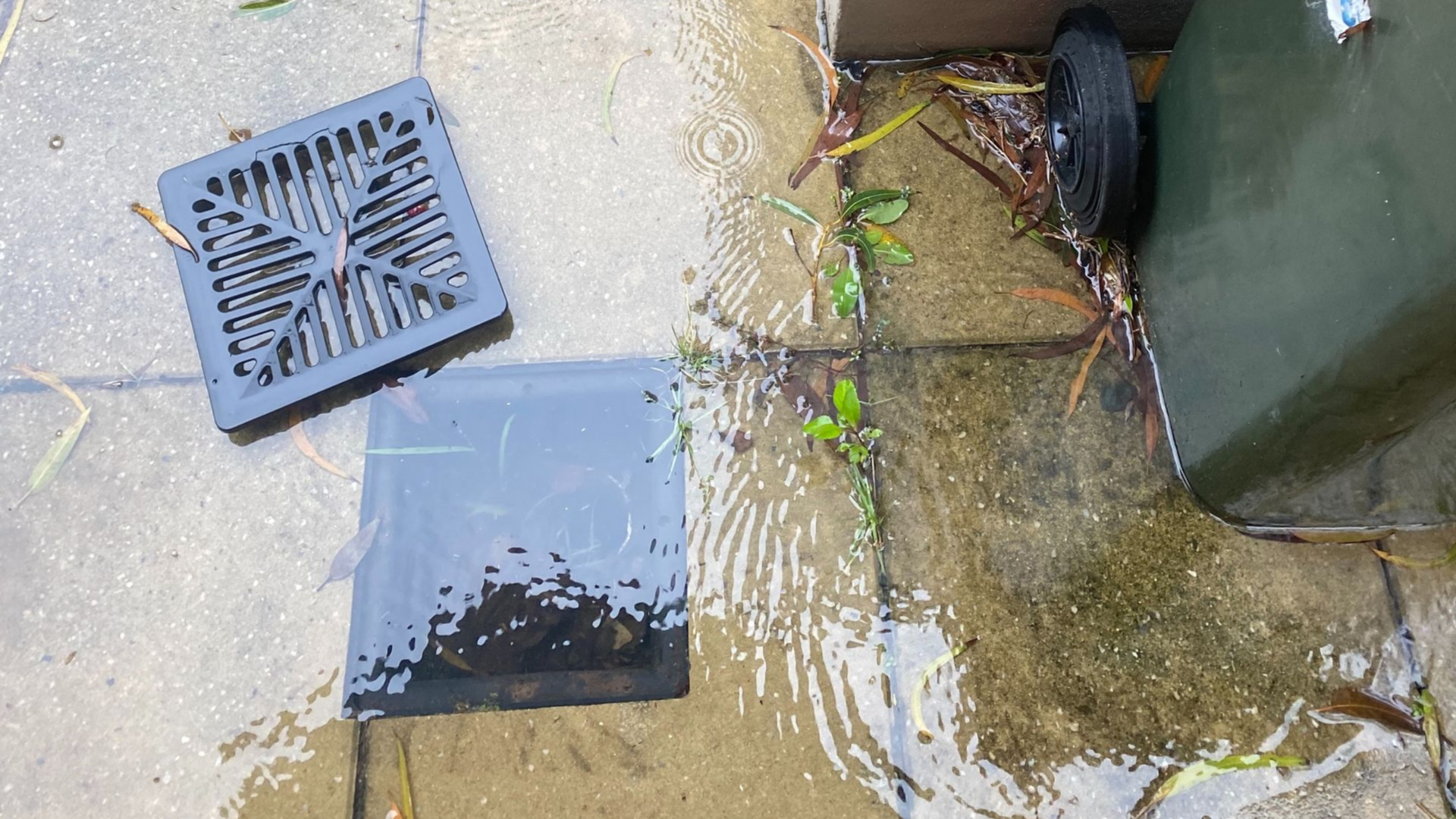
Heavy Rainfall
Sydney weather can produce short periods of intense rainfall that overwhelm ageing or undersized drainage systems, particularly on older properties that still have their original clay stormwater pipes.
Heavy rainfall often exposes an existing weakness in the drainage system rather than creating the problem. If your backyard floods every time there's a storm, it's usually a sign that the system already has a blockage, damaged pipework or insufficient drainage capacity.
How Can You Tell If It's More Than Just Heavy Rain?
Signs that indicate an underlying drainage problem include:
- Water remaining for more than 24 hours
- Muddy or permanently soggy areas
- Lawn dying or becoming waterlogged
- Water flowing towards your home
- Bad smells from outdoor drains
- Overflowing stormwater pits
- Mosquitoes breeding in standing water
If you're seeing these signs regularly, it's worth having your drainage system professionally inspected before the problem becomes more expensive to repair.
How We Diagnose Drainage Problems
Every property is different, so the first step is identifying exactly why water isn't draining correctly. Depending on the situation, this may involve:
- Inspecting all stormwater pits and grate drains, removing debris and confirming they're correctly connected to the underground stormwater system.
- Checking the condition of pits and pipes for cracks or damage that may allow tree roots to enter.
- Checking pipe levels and fall to ensure water can flow freely.
- Conducting a CCTV drain camera inspection of the entire stormwater system.
- Testing water flow by tracing the drainage path from each collection point through to the final discharge point—ideally the street kerb, not your backyard.
- Identifying blockages, damaged pipes or collapsed sections of the stormwater line.
Once we've identified the cause, we can recommend the most effective long-term drainage solution.
Can Stormwater Drainage Be Fixed?
Yes, absolutley! Depending on the cause of the problem, solutions may include:
- Clearing blocked stormwater pipes
- Installing additional stormwater pits
- Replacing damaged or collapsed pipework
- Regrading sections of the drainage system to improve fall
- Installing strip drains or agricultural (aggy) drains where appropriate
The right solution depends on your property's layout, the condition of the existing drainage system and the cause of the water pooling.
Local Example
We recently completed a stormwater drainage upgrade in Warriewood where ongoing surface water was causing problems during heavy rain. After assessing the existing drainage system, we designed and installed an upgraded stormwater solution that significantly improved water flow and reduced future pooling.
You can read more about that project in our Stormwater Drainage Upgrade – Warriewood case study.
Need Help With Backyard Drainage?
If water is regularly pooling around your home, it's best to investigate the cause before it leads to more costly damage. Whether the problem is a blocked stormwater pipe, tree root intrusion, foreign objects, a blocked street kerb outlet or a poorly designed drainage system, identifying the cause early can often prevent much larger repairs later.
Eze-Flow Plumbing provides professional stormwater inspections, CCTV drain camera inspections, drainage repairs and stormwater upgrades throughout Sydney's Northern Beaches, North Shore and surrounding suburbs.
You Might Also Like: