
Preventative Plumbing System Maintenance Checklist
When was the last time you thought about your plumbing system? For most of us, plumbing is out of sight and out of mind, until something goes wrong. A burst pipe, a leaking tap or a clogged drain can disrupt your day and cost a fortune to fix. But, what if you could avoid all that hassle with a little proactive care? That’s where plumbing preventative maintenance comes in.
Learn why plumbing system maintenance is essential, what it involves and how it can save you time, money and stress.
What is Preventative Plumbing System Maintenance?
Preventive maintenance plumbing is all about catching potential problems before they turn into disasters. It’s a proactive approach to keeping your plumbing system in top condition and ensure everything flows smoothly.
Whether you’re a homeowner looking to avoid surprise plumbing mishaps, a landlord protecting your property’s value or a business owner needing uninterrupted operations, regular maintenance is important. By sticking to a simple maintenance routine, you can enjoy a reliable, efficient plumbing system without headaches.
Importance of Preventive Maintenance Plumbing
A well-maintained plumbing system does more than just prevent a stressful disaster. A plumbing system maintenance offers a range of benefits that make it a must for any property owner. These include:
Prevents Costly Repairs
No one likes surprise plumbing expenses. Regular checks and fixes catch small issues before they spiral into expensive repairs.
Extends the Lifespan of Fixtures and Pipes
Just like servicing your car to keep it running smoothly, maintaining your pipes and fixtures ensures they last longer and save you money in the long run.
Saves Water and Energy
Fixing leaky taps and optimising your water heater not only cuts down on utility bills but also reduces energy waste.
Prevents Emergencies
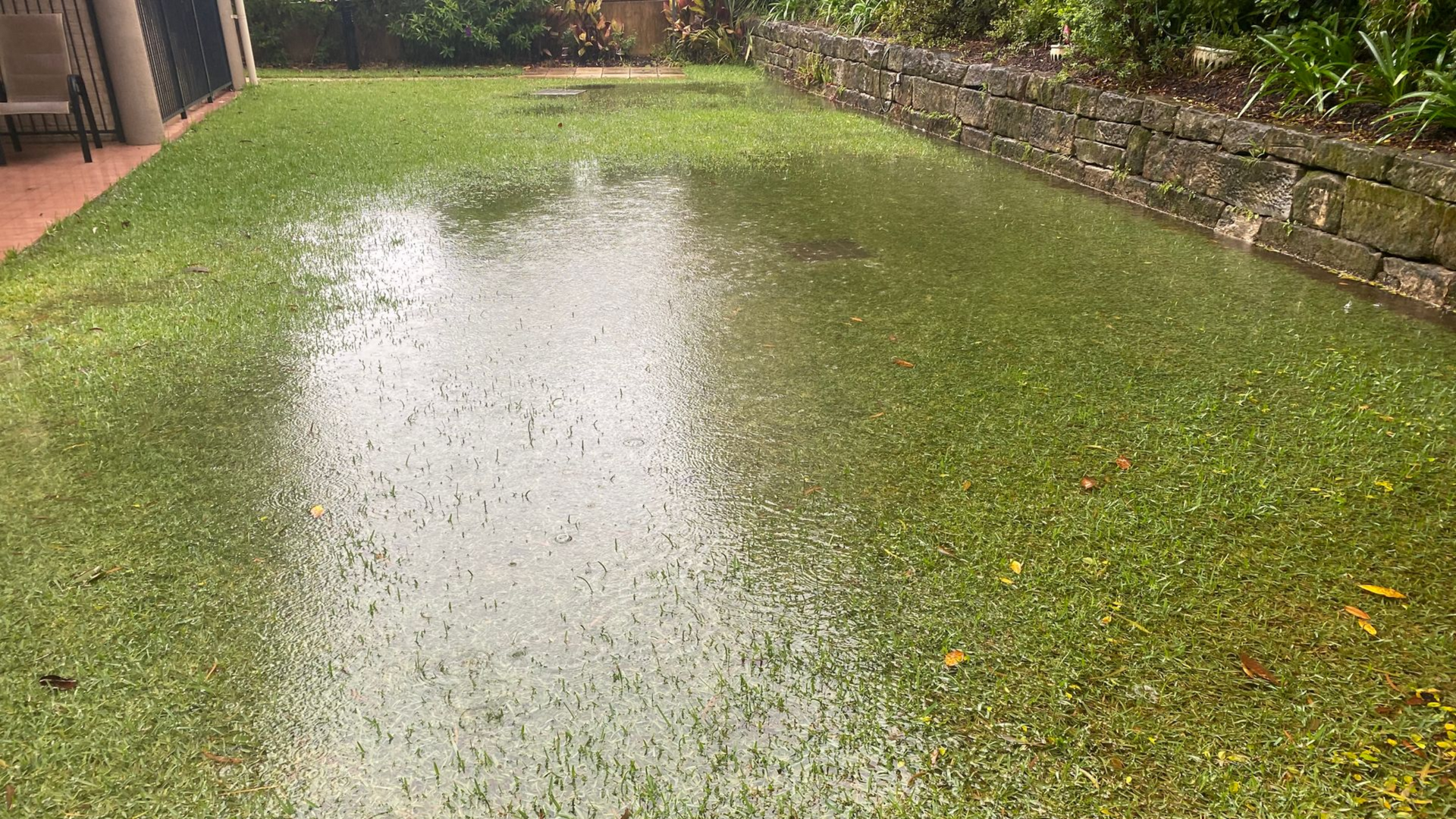
Imagine waking up to a flooded kitchen, preventative maintenance helps you dodge such stressful situations by addressing issues early.
Ensures Water Quality
Regular inspections ensure your water remains clean and safe, free from rust, debris or contamination.
Improves Home Value
A well-maintained plumbing system can significantly boost your property’s value, which is great for homeowners and landlords alike.
Reduces Environmental Impact
Leaking pipes waste precious water. By addressing them promptly, you’re doing your contribution to save natural resources.
Compliance with Regulations
In Australia, plumbing must meet local codes. Regular maintenance ensures your system stays up to standard and avoids fines or penalties.
Easy Plumbing Preventative Maintenance Checklist
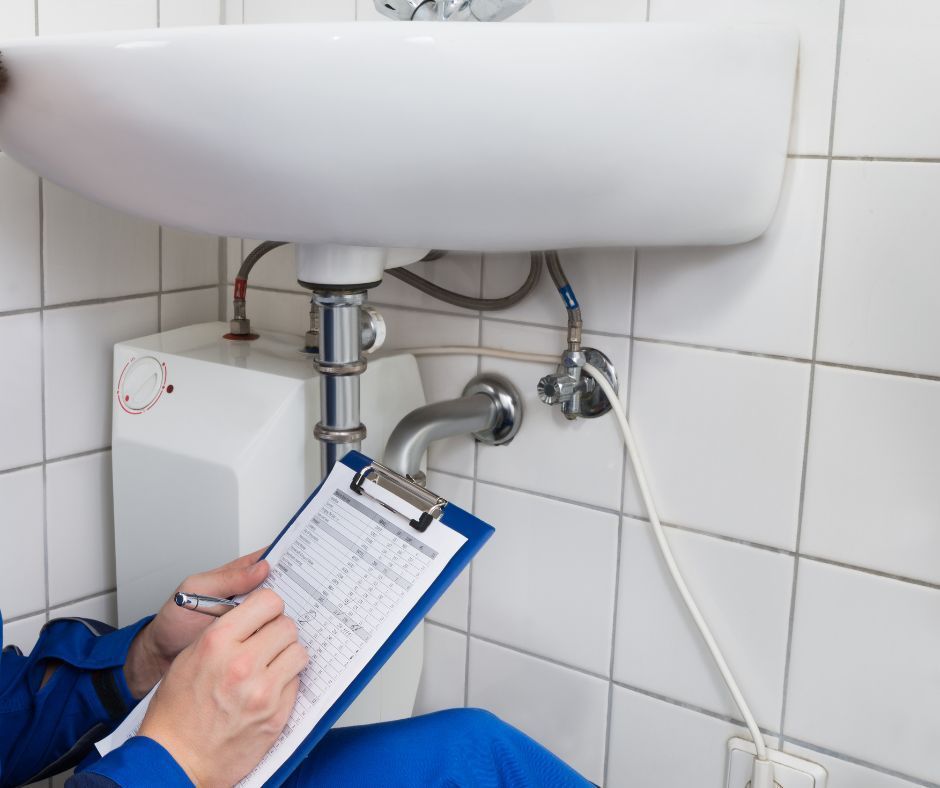
Looking after your plumbing doesn’t have to be overwhelming. Here’s a handy checklist of plumbing system maintenance to keep everything in tip-top shape
☐ Tap Washer Replacement
- Leaky taps can waste litres of water daily. Replace worn-out washers to save water and prevent drips.
☐ Pipe Replacement
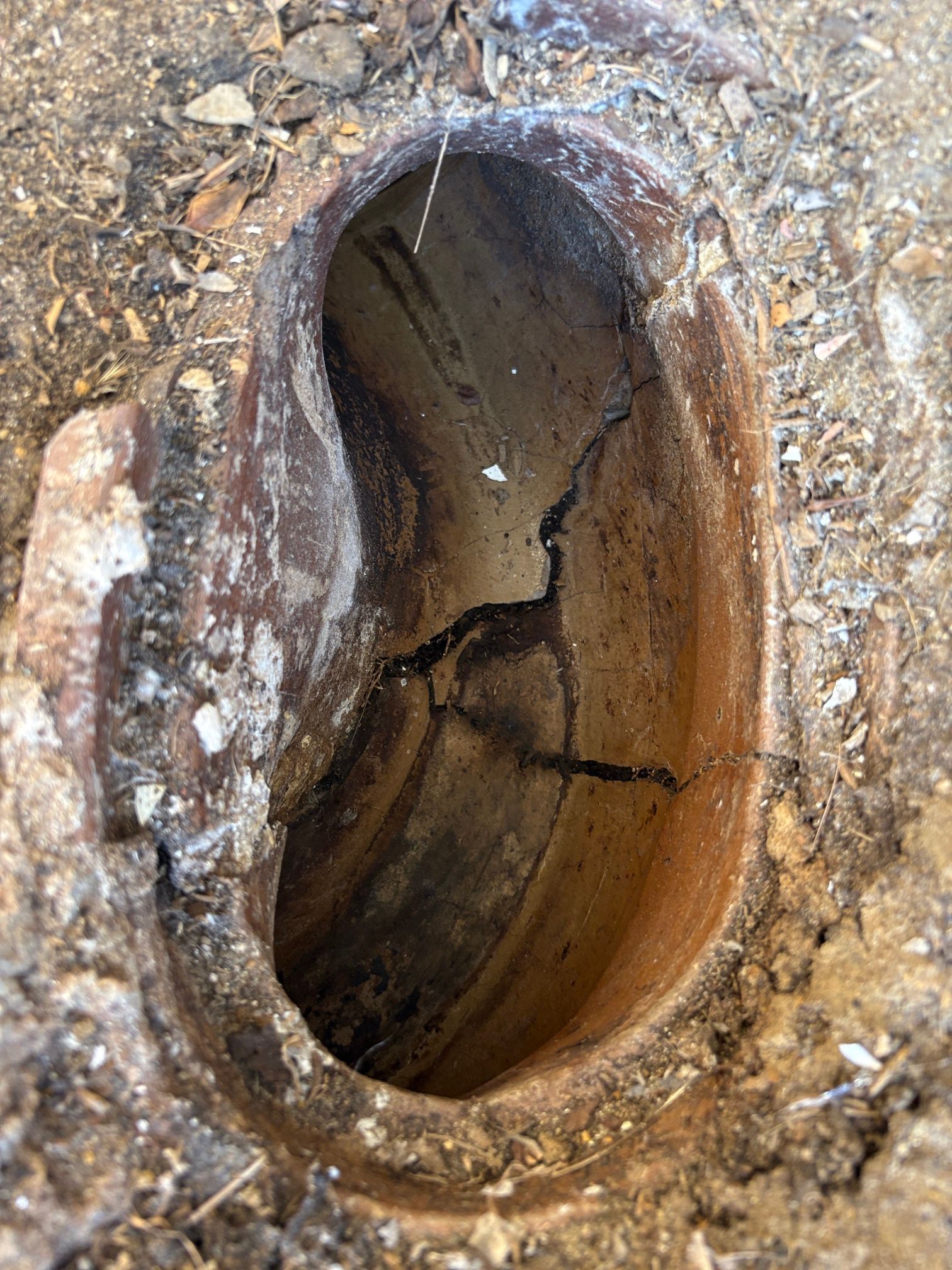
- Older pipes are prone to bursts or leaks. Replace damaged sections to maintain a secure, leak-free system.
☐ Preventing Clogs
- Prevent clogs and buildup by using strainers in sinks to catch food and debris and avoid pouring grease or oil down the drain.
☐ Inspect Fixtures
- Check taps, showers and sinks for cracks, rust or wear. Address any damage immediately.
☐ Toilet Maintenance
- A running toilet can waste hundreds of litres of water weekly. Make sure it flushes properly and repair leaks promptly.
☐ Backflow Prevention
- Install and maintain backflow prevention devices to stop contaminants from entering your water supply.
☐ Catch Early Signs of Corrosion
- Keep an eye out for discoloured water or rust on pipes, these are the signs of corrosion that need attention.
☐ Valve Tests
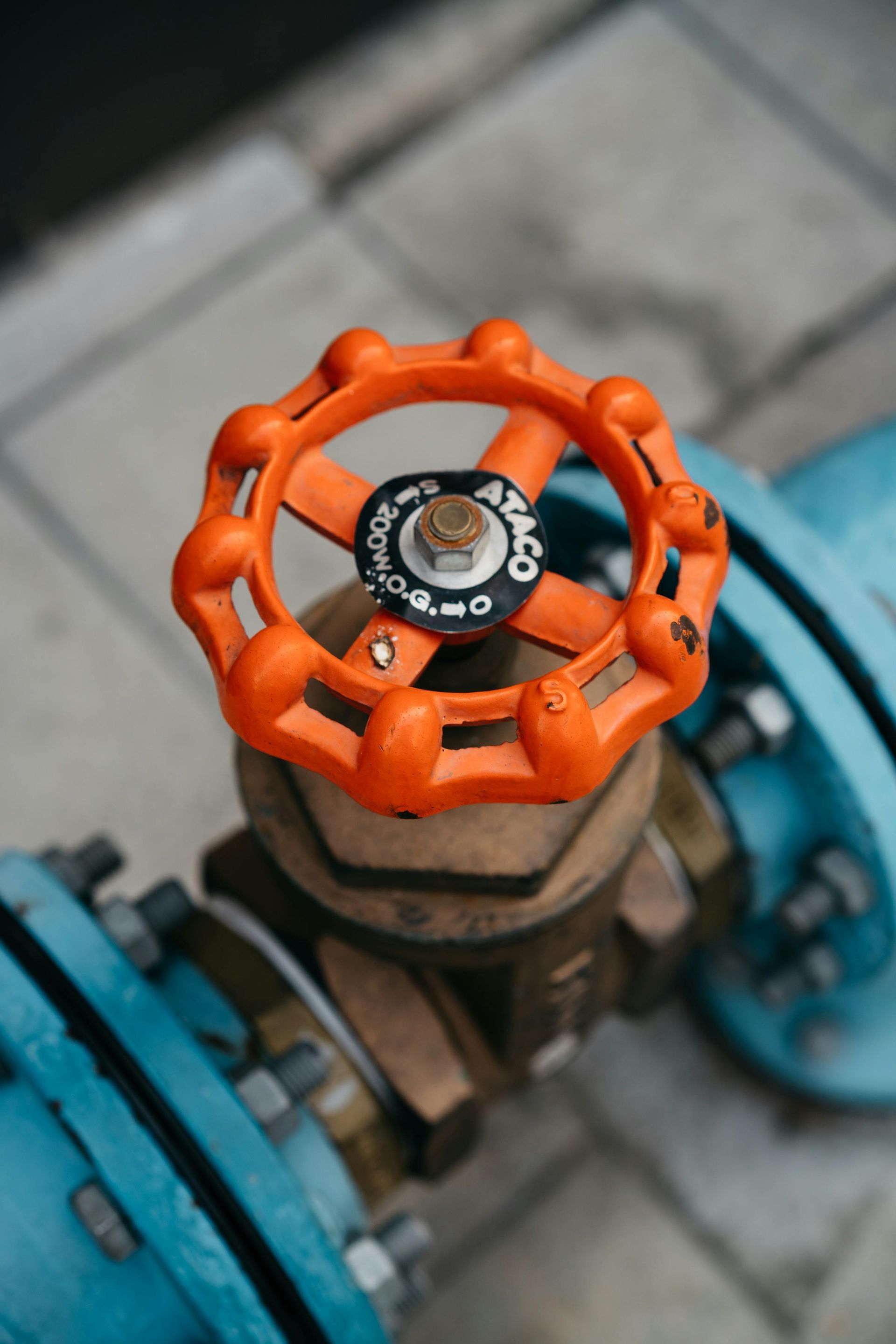
- Test shut-off valves to ensure they work against major leaks.
☐ Inspect Water Heaters
- Check for leaks, rust or sediment buildup in your water heater to extend its lifespan and maintain efficiency.
How Often Plumbing Maintenance Should Be Performed?
The frequency of preventive maintenance plumbing depends on several factors. Consider these important aspects:
Age of the Plumbing System
Older plumbing systems are more susceptible to wear and tear and are much greater prone to leaks, corrosion and other issues. Regular check-ups can help catch these problems early and keep your system functioning smoothly.
Type of Pipes and Fixtures
Different materials, such as PVC, copper or galvanised steel, have unique strengths and vulnerabilities. Knowing the material of your pipes and fixtures ensures you provide the right maintenance to maximise their lifespan.
Water Quality
Areas with hard water, rich in minerals, often experience buildup in pipes and appliances. Routine maintenance can prevent clogs, inefficiency and damage caused by this mineral accumulation.
Household/Property Size and Usage
The more people or processes using your plumbing, the greater the strain on the system. Larger homes or high-usage properties require frequent inspections to address the increased demand.
Climate and Environmental Factors
Freezing temperatures can cause pipes to burst, while humid climates may accelerate corrosion. Tailored, seasonal maintenance helps protect your plumbing from local environmental challenges.
Schedule Your Plumbing System Maintenance with Eze-Flow Plumbing Today!
Your plumbing system is the backbone of your home or business, so don’t wait for problems to arise. Regular plumbing preventative maintenance is the best way to avoid costly repairs and extend the lifespan of your plumbing system.
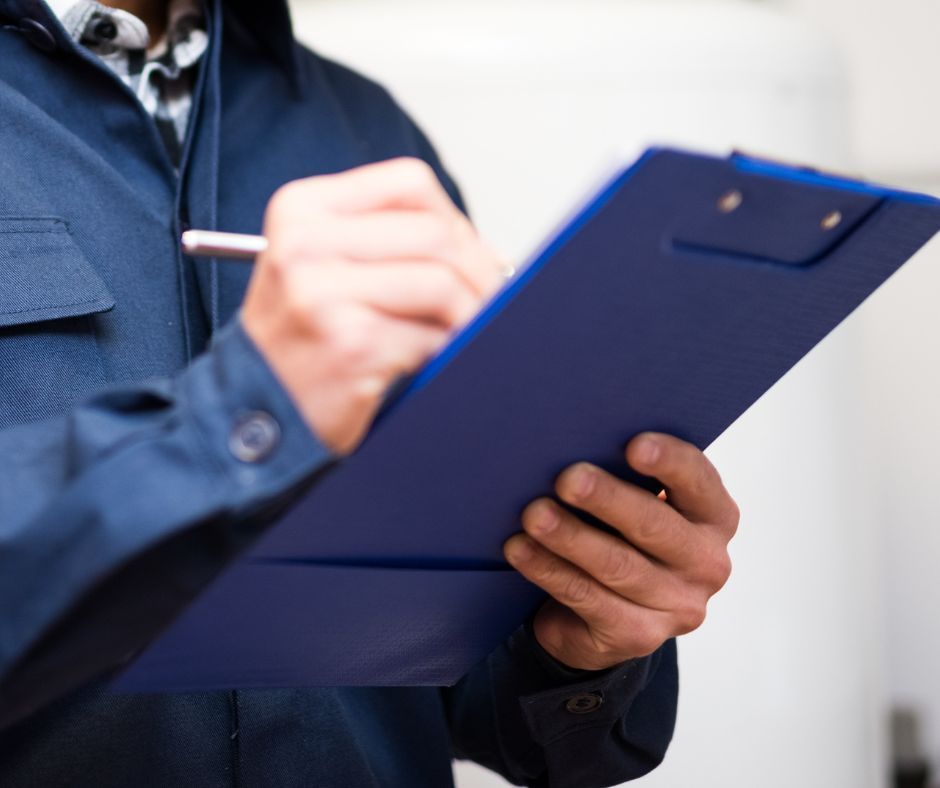
From detailed inspections to proactive repairs, Eze-Flow Plumbing ensures your plumbing for both residential and commercial properties is always in expert hands.
Connect with us today for a stress-free, efficient plumbing system you can count on!
You Might Also Like: