

Top Benefits of Rainwater Tanks: Are They Worth It for Your Property?
If you’ve ever watched a Sydney downpour hit the roof and disappear straight into the street, you’ve probably had the same thought as a lot of homeowners right now, “Surely we can put some of that water to work!”
That’s exactly why more Australian homes and also strata buildings are installing rainwater tanks, not to drink from, but to cover the everyday jobs that don’t need treated mains water, such as garden irrigation, toilet flushing, topping up outdoor cleaning and even car washing. It can also help manage roof runoff, taking some pressure off stormwater during heavy rain.
This article is for homeowners and strata managers looking to explore the benefits of rainwater tanks for their properties. You’ll learn the financial savings rainwater tanks can deliver, the environmental and
stormwater-management benefits, and when you’ll need a licensed plumber for safe, compliant installation and maintenance.
What is a Rainwater Tank and How Does It Work
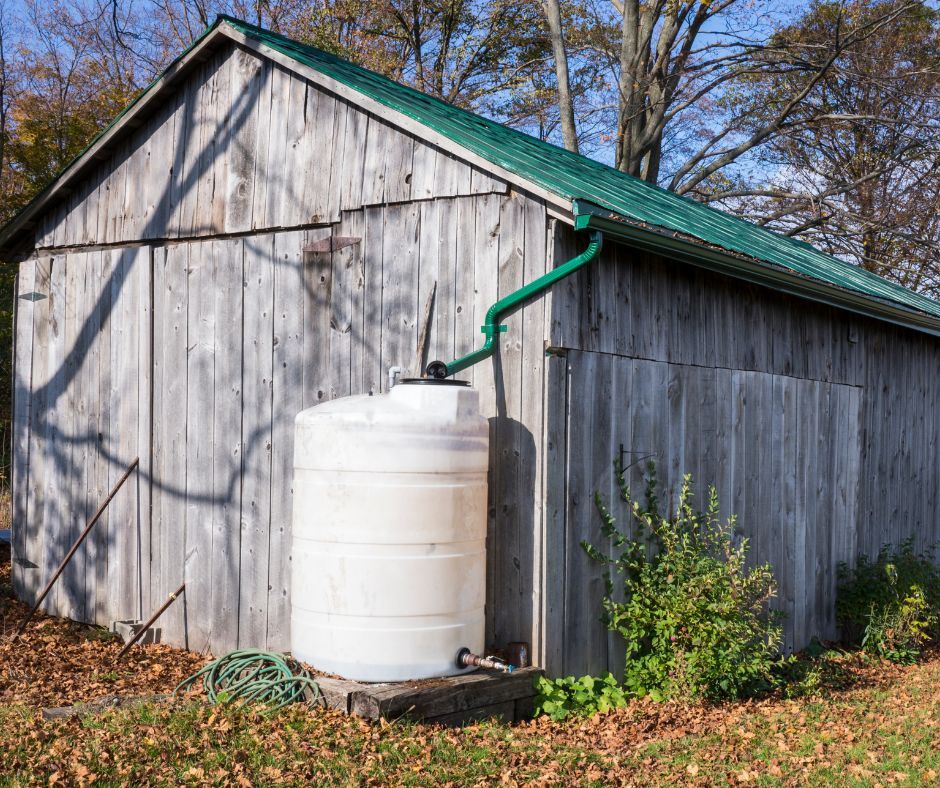
A rainwater tank is a storage system that captures rainwater from your roof and holds it so you can use it later. The typical flow looks like this:
- Roof Catchment & Gutters
Rain lands on your roof and runs into gutters, then into downpipes. - Leaf Guards/Screens
Screens, leaf guards, and inlet strainers help stop leaves and debris from getting into the tank (which keeps the system cleaner and reduces pump issues later). - The Tank Itself
Common options include slimline tanks (great for tight side paths), round tanks (often best value if you’ve got backyard space), and underground tanks (for urban blocks where appeal and space matter). - Pump + Rainwater tanks to mains changeover (if connected indoors)
If you want tank water for toilets and/or laundry, you’ll usually need a pump to deliver consistent pressure and a compliant changeover/top-up system so you can switch to mains when the tank is low. - Overflow Back into Stormwater
When the tank fills, overflow is directed to an approved stormwater point, which is important for protecting your foundations and preventing water pooling.
Top Benefits of Rainwater Tanks
The real rainwater tank benefits aren’t just “nice to have”, they show up in bills, in gardens and in how your property handles heavy rain.
Lower Water Bills
Using tank water for toilets, laundry, garden taps and car washing can significantly reduce how much water from the main supply you use. Even a modest setup that supplies toilets and laundry can make a noticeable dent in quarterly bills. The idea is that the more often you use tank water, the faster you free up tank capacity to capture the next rainfall.
Environmental Benefits & Better Stormwater Management
Rainwater tanks reduce roof runoff rushing into local drains during storms. Less stormwater volume can mean:
- Reduced pressure on local waterways and beaches
- Less erosion and fewer pollutants washing into creeks and the harbour system
When you replace some mains water with tank water for non-drinking uses, you also reduce demand on treated water, along with the energy associated with treating and pumping it through the network.
Greater Drought Resilience and Water Security
Sydney has seen its share of dry stretches and water restrictions. A rainwater tank won’t “solve” drought, but it does provide a buffer, especially for gardens, lawn patches, and essential non-potable uses when restrictions bite.
There’s also a peace-of-mind factor, knowing that if there’s a local supply interruption, having stored rainwater can help keep basics ticking over until everything’s back to normal.
Added Property Value and Tenant Appeal
Sustainability features aren’t fringe anymore. Rainwater tanks are regularly highlighted in property listings because they improve perceived efficiency and appeal to buyers and tenants who like the idea of lower running costs and a lighter footprint.
Community and Infrastructure Benefits
Zooming out, widespread adoption of tanks can help:
- Reduce demand on dams and treatment plants
- Ease pressure on drainage infrastructure during peak storms
- Potentially reduce flood peaks in built-up areas when systems are designed well
Specific Rainwater Tank Benefits for Strata Buildings and Unit Blocks
Strata sites often have two ongoing pain points: common-area water costs and stormwater management during heavy rain. A well-designed tank system can help with both.
Lower Common-Area Water Usage
Depending on the layout, strata tanks can supply water for:
- Shared gardens and lawns
- Wash-down of driveways, bin areas and carparks
- Shared laundry facilities
That can soften the blow of rising water bills and, in turn, reduce pressure on levees. The best results come from connecting the tank to high usage, non-drinking points so the system gets used regularly and the tank refills capacity for the next rain.
Less Pressure on Stormwater Systems
Capturing roof water on site can help reduce:
- Flooded carparks and pooling in low points
- Overflowing courtyard drains
- Water collecting near foundations after intense rainfall
Reducing peak runoff can mean fewer urgent callouts for blocked or overloaded drainage.
Supporting Compliance and New-Build Expectations
Many newer developments are encouraged (and sometimes required) to incorporate water-sensitive design features. Rainwater tanks are commonly part of that picture.
For strata upgrades, you’ll often need coordination with building management, the strata committee and sometimes additional design input depending on how the system connects indoors. Engaging a licensed plumber early helps avoid expensive redesigns later.
Are There Any Downsides or Things to Watch Out For?
Rainwater tanks are practical, but they’re not “set and forget” in every scenario. Here’s what to consider upfront.
Upfront Cost and Space Requirements
A tank system requires an initial investment (tank, base, pump, plumbing and fittings) and enough space with workable access.
On tight blocks, common placements include:
- Alongside fences (slimline tanks)
- Under decks or stairs
- Tucked beside driveways
- Underground options
A good installer will plan for access, overflow routing and future maintenance, so you’re not stuck with a tank you can’t easily service.
Maintenance and Water Quality
Most maintenance is simple, and it often includes:
- Clearing gutters and leaf guards (especially after storms)
- Checking that mosquito-proof screens are intact
- Inspecting overflows and inlet strainers
- Keeping an eye on sediment build-up and pump performance
Poor maintenance is where problems creep in, like odours, sediment and mosquito issues. The upside is that good design and routine checks prevent the vast majority of those headaches.
Getting the Plumbing Right
If your tank connects to internal plumbing (toilets, laundry, and any mains backup/changeover), compliance matters. Cross-connection and backflow risks aren’t a DIY learning curve, and this is exactly where a licensed plumber is essential to make sure the system is safe, correctly labelled and installed to the relevant standards and local requirements.
How Much Do Rainwater Tanks Cost: Installation and Ongoing Maintenance
Upfront Costs of Installing a Rainwater Tank
Main factors that affect price:
- Tank size and type: Small slimline vs large round vs underground/bladder.
- Site access: Easy side access vs tight spaces, stairs, or narrow entries.
- How it’s connected: Garden tap only vs toilets + laundry vs more complex setups.
- Strata vs single dwelling: Strata often involve extra planning, access coordination, and sometimes more labour and materials.
Typical Cost Guidance
Supply and installation can range from a relatively modest setup (tank + basic garden connection) to a higher investment system (pump, filtration components, and plumbing to multiple fixtures like toilets and laundry). Because every property is different, your best move is a site-specific quote from a licensed plumber.
Ongoing Maintenance Costs and Tasks
Regular Maintenance Tasks
- Checking and cleaning gutters and leaf guards
- Cleaning or replacing inlet strainers and flush components
- Inspecting the tank for cracks, leaks, rust or UV damage
- Checking pump operation, pressure consistency and unusual noise
- Ensuring valves, backflow devices and changeover/top-up systems operate correctly
How Often To Service
- Basic homeowner checks every few months and after big storms
- Professional service at least annually, especially if you rely on the system for toilets/laundry, to confirm fittings, test any required devices and catch wear before it becomes a breakdown
Typical Maintenance Costs
DIY maintenance tasks are no-to-low-cost most of the time. A routine annual service by a plumber is usually straightforward, and many homeowners bundle it with other checks (hot water, tap leaks, drainage). Costs rise when components need replacing, most commonly pumps nearing end-of-life or worn valves and fittings.
Maximising the Advantages of Rainwater Tanks by Choosing the Right Setup
Matching Tank Size to Rainfall, Roof Area and Usage
The basic principle is that roof area × rainfall gives you potential collection, then your intended usage determines how quickly you draw the tank down (which creates capacity for the next rainfall).
A site inspection and sizing recommendation from a professional plumber is the simplest way to match your roof layout, available space and realistic usage goals.
Popular Tank Types
- Slimline Tanks: Ideal for side passages on tighter blocks.
- Round Tanks: Often best value if you’ve got backyard or under-deck space.
- Underground Tanks: Useful where space is limited or where you want a clean, discreet look, but typically a more involved installation.
Materials vary, too. Poly, steel and concrete each come with pros/cons around durability, look and budget. Your best option depends on placement, sun exposure and how visible you want the tank to be.
Getting the Most Benefit
A tank connected only to garden taps can still be worthwhile, especially if you’re a keen gardener, but the biggest, most consistent gains usually come from connecting to toilets and laundry as well.
Why? Toilets and washing machines use water regularly, which:
- Increases mains water savings
- Helps cycle tank water more consistently
- Reduces the chance of water sitting unused for long periods
Think in terms of high usage + non-drinking fixtures for the best return.
Installation, Council Rules and The Role of Your Licensed Plumber
When You Must Use a Licensed Plumber
Any work involving internal plumbing or mains backup/changeover is not the place for shortcuts. A licensed plumber is required for:
- Connecting tank water to toilets and laundry
- Installing mains backup/Tank-to-mains systems
- Installing and testing any required backflow prevention devices
This protects your household, your property and the clean water supply, while also ensuring the system is compliant.
Council Approvals and Local Rules
Rules can vary depending on tank size, location, and how/where you connect the overflow. In Sydney, it’s common that smaller tanks may not need formal approval, but you still must meet conditions around installation, placement, setbacks and compliant overflow connection.
If you’re unsure, check with your local council or ask Eze-Flow Plumbing to walk you through it during a site visit.
Rebates and Incentives
From time to time, rebates or incentives have been offered by councils or state programs for
water-saving upgrades, including rainwater tanks and related equipment. Check with your local council website or NSW/State water conservation pages if rebates are available.
Are Rainwater Tanks Worth It for Your Property?
What “Worth It” Really Means for Homeowners and Strata
When people ask if a rainwater tank is “worth it”, they’re usually weighing a mix of:
- Financial value
- Practical Benefits
- Property and Lifestyle Value
Key Factors That Determine If the Advantages of Rainwater Tanks Pay Off
Roof Area and Local Rainfall
Bigger roof area + reasonable rainfall = more water captured, quicker payoff. Heavy shading or unusually small catchments can reduce collection.
How Much Water Does the Property Uses
Bigger families, frequent laundry and large gardens usually benefit more. Strata complexes with irrigated common areas can see strong gains.
How the Tank Will Be Used
Garden-only use is simpler and cheaper, but often delivers smaller savings. Toilets + laundry + garden is a higher upfront spend, but typically delivers bigger long-term value.
Space and Access on Site
Is there a sensible location, and can installers get the tank in without chaos?
Budget and Timeframe
If you’re holding the property long term, the value compounds. Short-term owners may still benefit, but the “payoff” is often broader than money alone.
A Simple Checklist: Is a Rainwater Tank Worth It for You?
A Quick Yes/No Checklist Before You Commit
- Do you have enough roof area and some outdoor space for a tank?
- Do you (or your tenants) use a lot of water for toilets, laundry or the garden?
- Have you had water restrictions in recent years and found them frustrating?
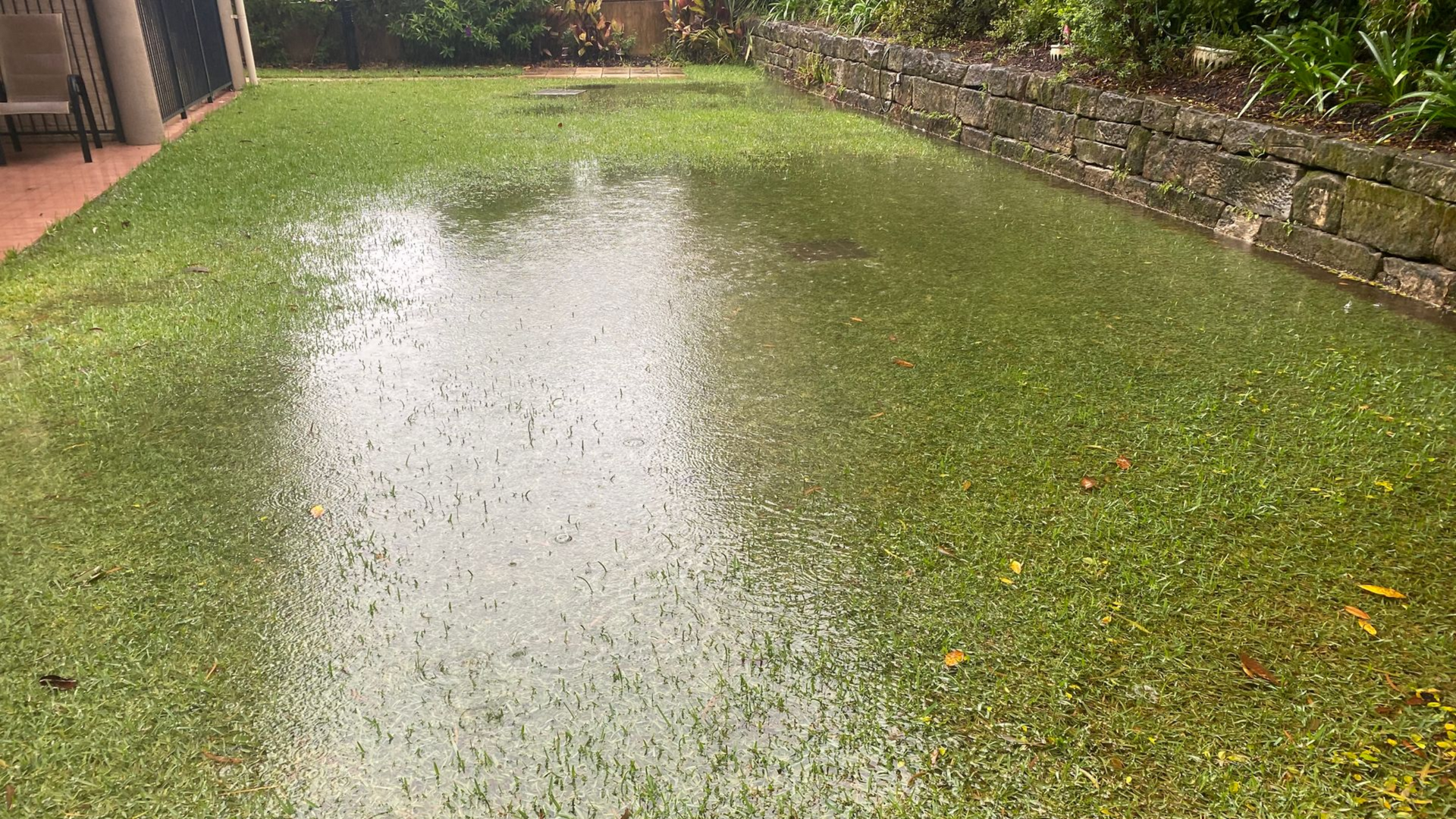
- Do you experience puddling or minor flooding in the yard, driveway or common areas during heavy rain?
- Are you planning to own or manage this property for several years?
- Is sustainability and resilience (less reliance on mains, more self-sufficiency) important to you?
- Are your gutters, downpipes, and stormwater drains in reasonable condition or can they be upgraded as part of the tank project?
If you tick several boxes, it’s a strong sign a tank could be worth it.
If you tick only one or two, still talk to a plumber, sometimes a smarter starting point is a drainage upgrade, gutter work or fixing stormwater issues first.
Who Gets the Biggest Benefit from a Rainwater Tank
Family Homes With a Decent Roof Area And a Garden
Regular toilet flushing, laundry and garden watering can add up to strong savings, especially with active outdoor living.
Properties With Ongoing Stormwater or Flooding Issues
If your driveway sheets water, your yard pools or you’ve got a low-lying corner that stays soggy, a tank (paired with good stormwater plumbing) can reduce peak runoff and help protect landscaping and surfaces.
Strata Complexes With Shared Gardens or Large Paved Areas
Higher common water use for gardens and clean-down makes tanks compelling, and sustainability features can be a selling point for renters and buyers.
Owners Focused On Long-term Sustainability
If you want lower environmental impact and extra resilience, a tank can be part of a broader water-smart plan, alongside efficient fixtures and good drainage.
How Eze-Flow Plumbing Helps Northern Beaches & North Shore Homes
Eze-Flow Plumbing helps homeowners and strata managers make confident decisions before investing in a rainwater tank system and understand the advantages of rainwater tanks for their property. We start with an on-site assessment of your roof catchment, gutters, and downpipe layout, review stormwater routing and any flooding trouble spots, and suggest practical tank positioning that suits your property and remains easy to maintain.
When it’s time to install, the details matter, especially if you’re connecting the tank to toilets and laundry. We can handle rainwater tank installation, rain-to-mains systems, correct stormwater integration, and compliant backflow prevention, with fully licensed and insured work across Sydney’s Northern Beaches and North Shore.
Need help planning, installing or maintaining a rainwater tank setup? Reach out to our team for practical advice, a tailored assessment and reliable support!
Key Takeaways
- Rainwater tanks can reduce mains usage and help cut quarterly water bills.
- Capturing roof water can reduce peak stormwater runoff and pressure on local drainage during heavy rain.
- The biggest gains usually come when tanks are connected to toilets and laundry (not just garden taps).
- Strata buildings can benefit from lower common-area water use and fewer stormwater headaches.
- Maintenance is straightforward when the system is designed well.
- Internal connections and mains backup systems should be installed by a licensed plumber to avoid cross-connection and backflow risks.
- For many Sydney properties, the long-term benefits of rainwater tanks include savings, resilience and better stormwater control.
Frequently Asked Questions
How much can a rainwater tank actually reduce my water bill?
Savings depend on your tank size, how much rain your roof can capture and what the tank is connected to. Garden-only systems can help, especially if you water often, but connecting toilets and laundry usually delivers more consistent savings. The more regularly you use tank water, the more you reduce mains demand.
What can I safely use rainwater for at home?
For most Sydney households, rainwater is commonly used for non-drinking purposes like garden watering, toilet flushing, laundry supply, car washing and outdoor hard-surface cleaning. If you’re considering drinking or bathing uses, water quality and treatment become much more important, including filtration, disinfection and regular maintenance. Talk to Eze-Flow Plumbing team to get the right advice for a safe, compliant setup.
Do rainwater tanks help with flooding and stormwater problems?
Rainwater tanks can help with stormwater and minor flooding issues when they’re correctly sized and properly connected, because spare tank capacity captures roof runoff during heavy rain instead of sending it straight into stormwater pipes.
If you’re dealing with bigger problems like blocked drains, poor site grading, or overwhelmed stormwater lines, a tank usually works best as part of a broader stormwater solution rather than a standalone fix. For the right advice and setup for your property, send us a message.
Is a rainwater tank suitable for townhouses or small blocks?
Yes, rainwater tanks can work on small blocks, with slimline tanks for tight side passages and under-deck or discreet placements for compact sites. The secret is planning access, overflow routing and long-term maintenance so the system stays serviceable without major disruption later.
Can I install a rainwater tank in an apartment or strata building?
Yes, rainwater tanks can often work for strata buildings, but they usually require extra planning around roof catchment, tank location and maintenance access, intended water uses, and committee/body corporate approvals.
Do I need council approval or permission to install a rainwater tank?
Council approval may be needed depending on your tank’s size, placement, and local rules, and even smaller tanks must still meet requirements for setbacks, heights, and overflow connections. If you’re unsure, check your council guidelines and speak with our team early. It’s far easier to plan it right than to relocate tank later.
How much maintenance do rainwater tanks need?
Most rainwater tank systems only need light, regular upkeep and keeping an eye on pump pressure or unusual noise, especially after storms. If the tank supplies toilets or laundry, an annual professional check helps keep the system reliable and ensures everything is operating safely.
What’s the first step if I’m thinking about a rainwater tank?
Start with a quick on-site assessment so your plumber can inspect your gutters, downpipes, roof catchment, stormwater layout, and access, then recommend the right tank size, placement, and connection plan for your property. If you’re in Sydney’s Northern Beaches or North Shore, Eze-Flow Plumbing can help you compare options and plan a compliant installation built to last.
You Might Also Like: