

Essential Summer Plumbing Tips to Prevent Costly Emergencies
Sydney summer has a habit of turning “small plumbing annoyances” into full-blown emergencies. Hot, sticky days mean more showers, more laundry, more dishwasher cycles, and more outdoor hose use. Then the weather flips, sudden downpours and storms can dump a huge amount of water on roofs, driveways and car parks in minutes, pushing gutters, downpipes and stormwater lines to their limits.
That’s why these practical summer plumbing tips exist to help you get ahead of the usual warm-weather plumbing troublemakers that pick the worst possible timing to struggle.
Why Plumbing Tips for Summer Matter
How Sydney’s Summer Weather Impacts Pipes and Drains
Sydney summers aren’t just hot. They’re a mix of heat, humidity and fast-changing weather systems, those afternoon build-ups that turn into intense rainfall and strong gusts. Steep blocks and older pipework are also common; that combo can expose weak points quickly.
Here’s what’s happening behind the scenes:
- Heat expands pipes and fittings. If the flexi hose has already worn, the washer has deteriorated or the joint is marginal, temperature swings can push it over the edge.
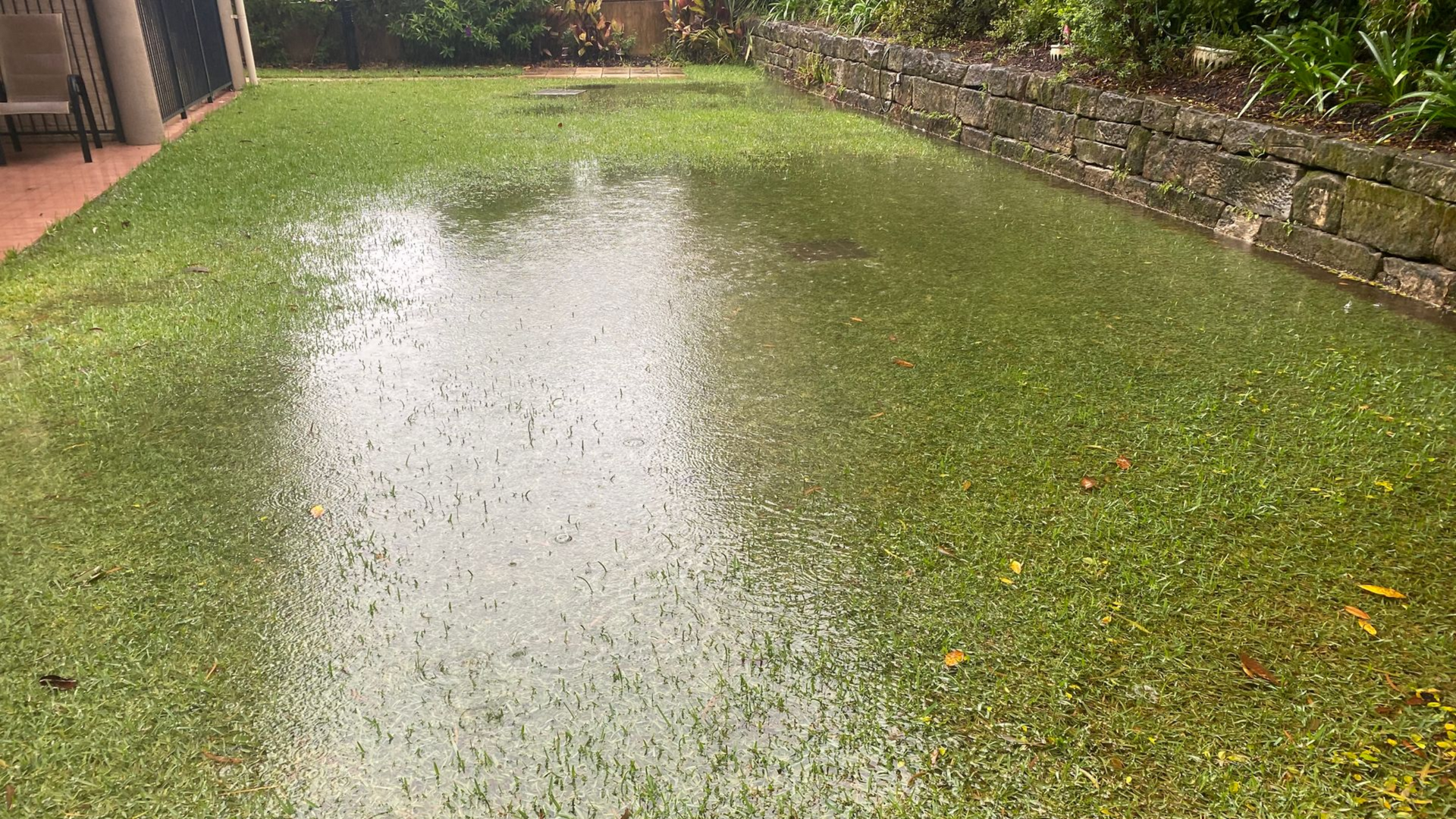
- Storm bursts can overwhelm stormwater systems, gutters and downpipes. Roof run-off hits hard and fast, and any leaf litter, silt or debris can create instant overflow.
- More daily water use during the summer season puts extra pressure on your drainage lines. A drain that’s merely “a bit slow” in spring can turn into a complete blockage once the household is running at full pace.
Residential vs Commercial Summer Risks
Summer doesn’t hit every property the same way.
Residential Risks (Homes, Duplexes, Apartments):
- More guests, kids home, school holidays. Bathrooms and kitchens work overtime.
- Outdoor taps, hoses, sprinklers and pool top-ups get a workout.
- You’re more likely to notice early warning signs like gurgling drains, slow shower waste or a hot water system taking longer to recover.
Commercial & Strata Risks (Cafés, Restaurants, Offices, Schools, Common Areas):
- Constant toilet/basin use increases the chance of blockages and overflows.
- Commercial kitchens are the primary source of grease build-up, especially during peak summer operations.
- Car parks, driveways and common property drains rely on stormwater systems. If pits and grates are choked with silt, one heavy storm can shut down access fast.
Summer Plumbing Tips You Can Do Before the Next Downpour
Before we get into the list of plumbing tips for summer, the goal is to reduce the odds of surprise flooding, nasty drain smells and emergency shutdowns during the busiest time of year. These checks are practical, low-cost and easy to schedule into a weekend.
Outdoor Plumbing Tips for Summer
- Clear Gutters Before Summer Storms: Remove leaves and debris so heavy downpours don’t cause overflows and water damage.
- Unblock Downpipes and Roof Drains: Make sure water flows freely from the roof into stormwater, not over the edge.
- Clean Stormwater Pits and Driveway Grates: Scoop out silt, leaves and rubbish so garages and car parks don’t flood.
- Check Yard Drains After Heavy Rain: Watch how quickly water drains away. Slow drainage can hint at blockages or tree roots.
- Trim Back Trees Near Drains: Reduce leaf drop and root intrusion into underground pipes and stormwater lines.
- Inspect Outdoor Taps and Hose Connections: Look for leaks, cracks or dripping fittings that waste water and can worsen in the heat.
- Protect Exposed Pipework From Sun: Cover or insulate exposed pipes and PVC fittings to reduce UV damage and warping.
- Keep Pool and Outdoor Shower Drains Clear: Remove sand, hair and debris from grates to prevent slow drains and smells.
Indoor Summer Plumbing Tips
- Do a Quick Whole-House Leak Check: Look under sinks, around toilets and along skirting boards for damp spots or slow drips.
- Watch for Dripping Taps and Mixers: Fix constant drips early before higher summer usage pushes them into full leaks.
- Inspect Flexi Hoses on Fixtures: Check under vanities, sinks and behind toilets for rust, bulging or fraying hoses.
- Check Appliances for Hidden Leaks: Look behind and under dishwashers and washing machines for moisture or water stains.
- Give Hot Water Systems a Once-Over: Check for rust, leaks around valves and unusual noises before peak holiday demand.
- Use Strainers in Showers and Basins: Catch hair and debris to prevent slow-draining showers during busy summer bathroom use.
- Remind Occupants About Toilet Etiquette: Only toilet paper should be flushed. Wipes and hygiene products go in the bin. “Flushable” doesn’t mean it will not cause blockages.
- Avoid Pouring Fats and Oils Down the Sink: Let them cool and bin them to prevent grease build-up and kitchen blockages.
- Check Silicone and Seals Around Wet Areas: Look for cracked or missing sealant around showers, baths and basins that can cause hidden leaks.
- Monitor Water Pressure Changes: Sudden drops or surges in pressure can signal leaks, partial blockages or issues with valves.
Special Summer Care Tips for Plumbing
Homeowners and Renters
If you’re in a house, townhouse or apartment, aim for quick wins:
- Check outdoor taps, garden hoses and sprinklers before you rely on them daily.
- Clean balcony drains and small grates regularly.
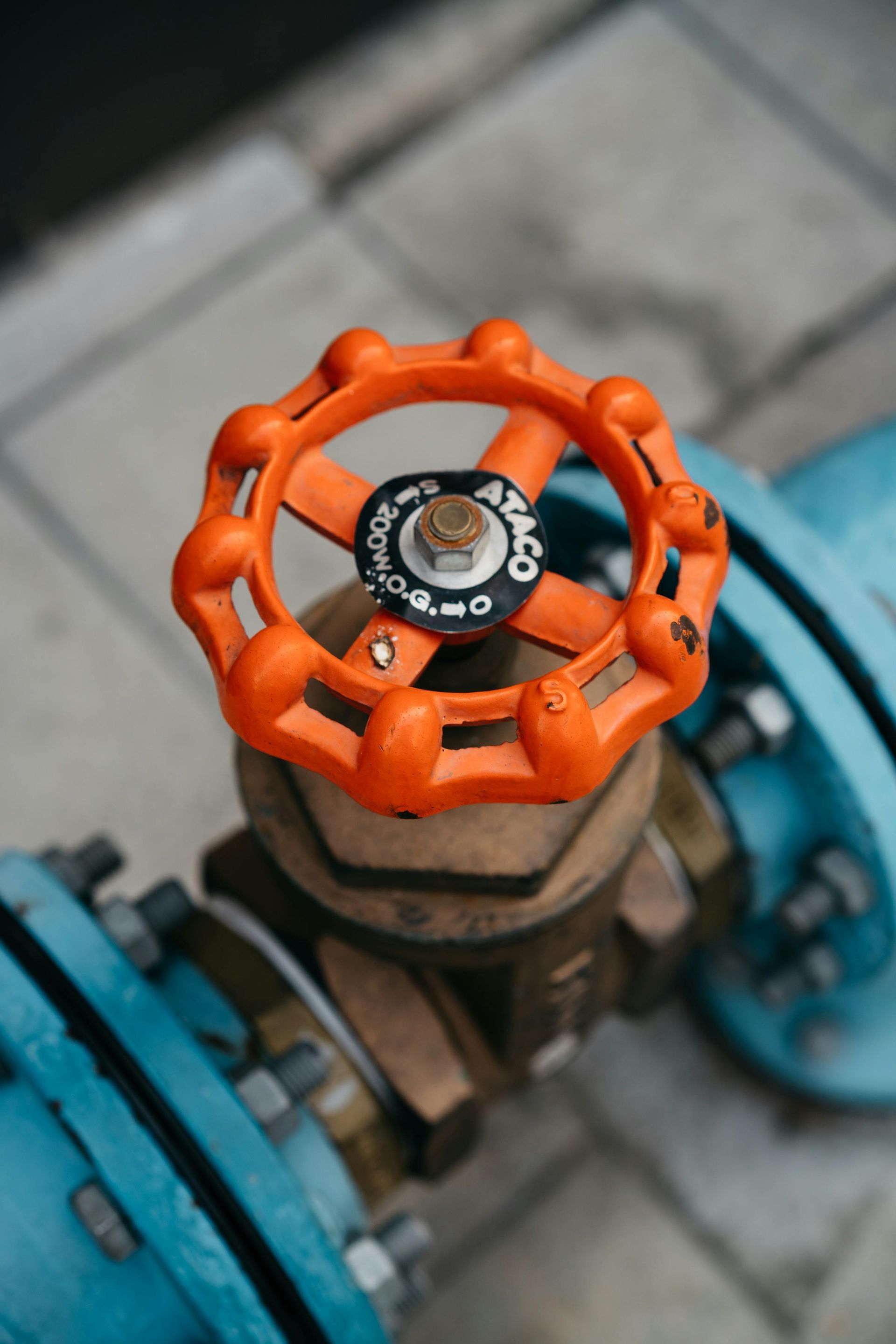
- Find the main water shut-off valve now (not during a panic). If a flexi hose fails, shutting off water fast can be the difference between a mop-up and a major repair.
If you’re renting, report any plumbing issues to your strata manager or landlord straight away.
Strata and Property Managers
Common areas don’t get “looked at” until something goes wrong, so summer care tips for plumbing are all about routine:
- Inspect stormwater pits in driveways and car parks, and clear silt before it compacts.
- Check common property gutters and downpipes, especially on older walk-ups with heavy canopy cover.
- Review shared hot water systems and pump controls. If a single system feeds multiple lots, summer demand can expose issues quickly.
Local Businesses and Commercial Sites
Summer failures cost more for businesses because they create downtime:
- Staff toilets and public amenities: Act on early slow-drain signs before it becomes a closure.
- Commercial kitchen drainage and grease traps: Plan maintenance around peak trading hours, not in the middle of it.
- Stormwater and trade waste: Keep pits, grates and lines clear so a sudden storm doesn’t flood entrances, loading bays or car parks.
Airbnb and Holiday Rental Hosts
If you own an Airbnb unit or a holiday rental, you should:
- Leave clear, simple instructions for toilets and waste (what not to flush, where bins are).
- Check outdoor taps and any exposed plumbing before bookings ramp up.
- Book a pre-summer inspection, so you’re not dealing with a blocked drain or leaking hot water system mid-stay.
How Eze-Flow Plumbing Helps You Get Summer-Ready
If you’d rather not DIY your way through this summer plumbing tips and checklist or you’ve noticed red flags already, Eze-Flow Plumbing can help you get ahead of summer problems with practical, long-term fixes.
Here’s what we commonly handle during the warmer months:
- Blocked drains and stormwater solutions to protect homes, strata buildings and commercial sites.
- 24/7 emergency plumbing for bursts, floods, backups and urgent blockages, because plumbing doesn’t wait for business hours.
- Hot water repairs and upgrades before the holiday rush (especially when you’ve got guests, tenants, or staff relying on a consistent supply).
- Gas fitting and appliance checks for outdoor kitchens and BBQ setups.
Choose Eze-Flow Plumbing for upfront fixed pricing, a lifetime labour guarantee and trusted Northern Beaches & North Shore service since 2009. Call 0439 025 458 to
book your summer plumbing check.
Key Takeaways
- Check for leaks, flexi hoses and dripping fixtures before sustained heat and heavy usage kick in.
- Keep gutters, downpipes and stormwater drains clear ahead of summer storms, leaf litter and silt are the usual culprits.
- Protect indoors: hot water systems, bathrooms, kitchens and laundries (where the most daily demand happens).
- Tailor your approach for homes, strata, commercial sites and short-stay rentals. Your risk profile changes with occupancy and usage.
- If you notice sewage smells, repeated slow drains, water backing up or sudden pressure changes, call a local 24/7 plumber immediately.
Frequently Asked Questions
How do I prepare my plumbing for summer in Sydney?
Start with the basics, like clearing gutters, checking downpipes and stormwater pits, and doing a quick leak check under sinks and around toilets. If you’ve had slow drains or recurring smells, a professional inspection can help catch a blockage before summer storms hit.
What are the most common summer plumbing problems on the Northern Beaches and North Shore?
The usual suspects are blocked stormwater drains, overflowing gutters, leaking flexi hoses and slow drains that become full blockages under heavier holiday usage. Sudden intense rainfall can also expose issues fast, especially in leafy streets and on sloped blocks.
How can I stop my stormwater drains from overflowing during heavy rain?
Keep grates, pits, gutters and downpipes clear of leaves and silt, and watch how water behaves during the first big downpour. If water is pooling, backing up or draining slowly, the line may be partially blocked and should be assessed before it worsens.
Should I get my hot water system serviced before summer?
If your system is older, takes longer to reheat, makes unusual noises, or shows signs of leaks or rust, it’s smart to book a check before peak demand. It’s also helpful for strata and commercial sites where a consistent supply is non-negotiable.
How often should gutters and downpipes be cleaned to prevent blockages?
It depends on canopy cover and weather patterns, but properties under heavy tree cover often need more frequent cleaning, especially before and during storm season. If you’re regularly seeing overflow during rain, that’s a sign your current schedule isn’t enough.
What should I do if my toilet or shower starts backing up during a storm?
Stop using the affected fixture immediately to avoid overflow. If multiple fixtures are backing up or you notice gurgling and rising water levels, treat it as urgent and call a licensed plumber so the blockage can be cleared safely and properly.
Are flexi hoses really that risky in hot weather?
They can be, especially if they’re older, corroded, bulging or poorly installed. Heat and pressure changes can expose weak points, so if a hose looks worn, replacing it proactively is far safer than waiting for a sudden failure.
What summer plumbing checks should strata and property managers schedule each year?
Focus on common property stormwater pits, driveway grates, gutters, downpipes, shared hot water systems and any pump controls. An annual pre-summer inspection program helps reduce after-hours emergencies and protects common areas from flooding.
Can Eze-Flow Plumbing help with both residential and commercial summer plumbing issues?
Yes. Eze-Flow Plumbing supports homes, strata and commercial sites across the Northern Beaches and North Shore, including blocked drains, stormwater issues, hot water repairs and urgent 24/7 call-outs.
When is a plumbing issue serious enough to call an emergency plumber?
If there’s active flooding, sewage overflow, a burst pipe, no water, or a major blockage affecting essential amenities, don’t wait. The faster you shut down the damage and restore safe function, the lower the clean-up and repair risk.
You Might Also Like: