

Is Your Leaking Shower Head Hiding a Bigger Problem?
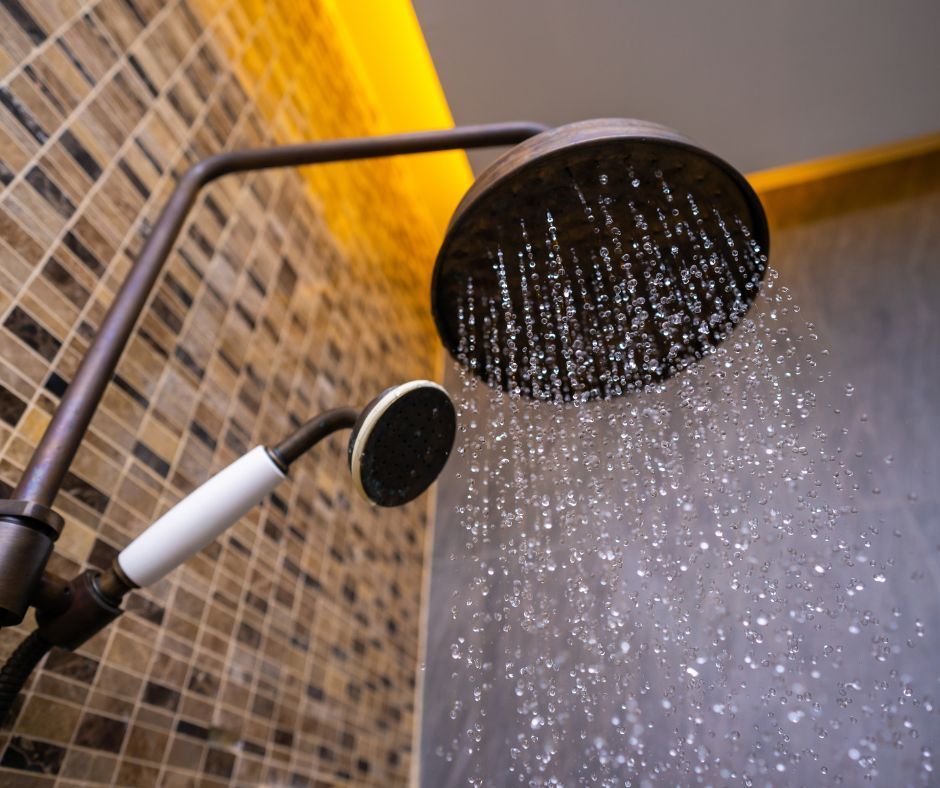
That “drip… drip… drip…” isn’t just annoying. It’s the kind of small leak that can quietly chew through water, leave ugly stains around your shower and quietly push your water bill up.
Even a slow shower head leaking drip can waste a surprising amount of water over a month if it’s ignored. As a simple example: if you’re seeing roughly one drip per second, that’s about 2,500–3,000 drips an hour. Depending on drip size, that can add up to hundreds of litres over a month and that’s before you factor in bigger leaks or high pressure pushing water through worn seals.
If you’re in Sydney’s Northern Beaches or North Shore, especially in older homes, apartments, or Airbnb-style short stays, shower leaks are a common “little issue” that can turn into a bigger headache fast.
In this guide, we’ll cover the most
common causes of a leaking shower head, safe DIY checks and fixes you can try first. You’ll also learn when the leak suggests a bigger plumbing issue and when it’s time to call a local, licensed plumber.
What a Shower Head Leaking is Really Costing You
Water Wasted From a “Small” Drip
A drip from a leaking showerhead might seem minor, but it can waste a surprising amount of water over time. Around 10–20 litres a day at roughly one drip per second, which adds up to hundreds of litres a month and thousands over a year. Put simply, it can be like paying for several extra showers each month that you never actually get to use.
Increased Water Bills
If your quarterly water bill jumps and nothing obvious has changed (no extra guests, no new garden watering routine, no major lifestyle shift), small leaks are one of the first things worth checking, like dripping taps, leaky toilet cisterns and showers that won’t fully stop.
Risk Of Damage To Your Bathroom And Home
A constantly damp shower can cause costly damage over time, including mould and mildew, swollen or bubbling skirting near the bathroom, and even stains or sagging ceilings below upstairs bathrooms. In coastal areas, salty air can also corrode cheaper fittings faster, turning a small drip into a messy spray sooner than you’d expect.
Common Signs Your Shower Head is Leaking
Obvious Drips and Sprays
These are the easy ones:
- Drips from the shower head even when the taps are fully off
- Fine spray shooting sideways from joints or the swivel ball
- Water collecting around the face of the shower head or at the handle/connector
Hidden or Subtle Signs
Sometimes the shower is “leaking” without looking like it is:
- Water stains, swelling or a soft patch on nearby wall/ceiling
- Musty smell, mould or mildew that returns quickly after cleaning
- Water is pooling on the floor when the shower hasn’t just been used
What Causes a Leaking Showerhead: The Real Culprits
It’s rarely just one issue, and in most homes, a few factors combine over time until the weakest part starts leaking.
Worn Washers and O-rings
Washers and O-rings are rubber seals that prevent water leaks from threaded connections and moving joints, but heat, pressure, and wear can cause them to crack or deform over time. Once they lose their seal, water escapes at the easiest point, often as a drip around the joint, connector, or swivel.
Mineral Build-up and Limescale
Mineral build-up can clog the shower head’s tiny nozzles, causing uneven flow, pressure changes and symptoms like odd spray patterns, “random” post-shower drips, or a chalky crust on the face. In many cases, a simple cleaning can resolve it.
Loose Connections and Worn Thread Tape
Over time, the connection between the shower arm and head can loosen, especially with hand-held shower heads that move a lot. If the Teflon thread tape is worn or poorly applied, water can seep out and show up as moisture around the swivel joint, arm connection or hose connector.
Cracked Shower Head, Arm or Fittings
Cheap plastic, age or a knock can cause tiny cracks that show up as a stubborn drip or a fine spray from an odd spot. When the shower head body is damaged, replacing it is often smarter than trying to repair a leak that keeps coming back.
Faulty Tapware or Mixer Cartridge
In mixer showers, a worn cartridge can fail to seal properly, letting water slip through even when the handle is turned off. A key sign is ongoing dripping long after you’ve finished showering, not just a quick drain-off from the hose.
High Water Pressure or Plumbing Issues
High water pressure can force water past seals that would normally stay watertight. If you’re also noticing noisy or banging pipes or multiple taps leaking or dribbling, the problem is likely affecting the whole system, not just the shower head.
How Licensed Plumbers Diagnose a Leaking Shower Head
When a plumber arrives, the goal isn’t to tighten something and hope. It’s to pinpoint the primary cause of a leaking shower head and whether it’s a surface-level fix or a behind-the-wall issue.
Initial Questions
Expect questions like:
- How long has it been leaking?
- Does it leak with the shower off, during use or both?
- Any damp smells, stains or mould nearby?
These details help narrow down whether it’s likely a seal/joint issue vs a cartridge/valve issue.
Visual Inspection
A good visual check looks beyond the shower head:
- Shower head, arm, hose and connections
- Mixer plate or tapware
- Tiles, grout, silicone and nearby wall/ceiling condition
Functional Testing of the Shower & Taps
Plumbers typically:
- Turn the shower on/off multiple times
- Test hot vs cold
- Watch drip patterns and pressure behaviour
This helps identify whether the leak is residual water, a failing seal or a valve that isn’t fully closing.
Checking the Shower Mixer or Taps Internally
Professionals will:
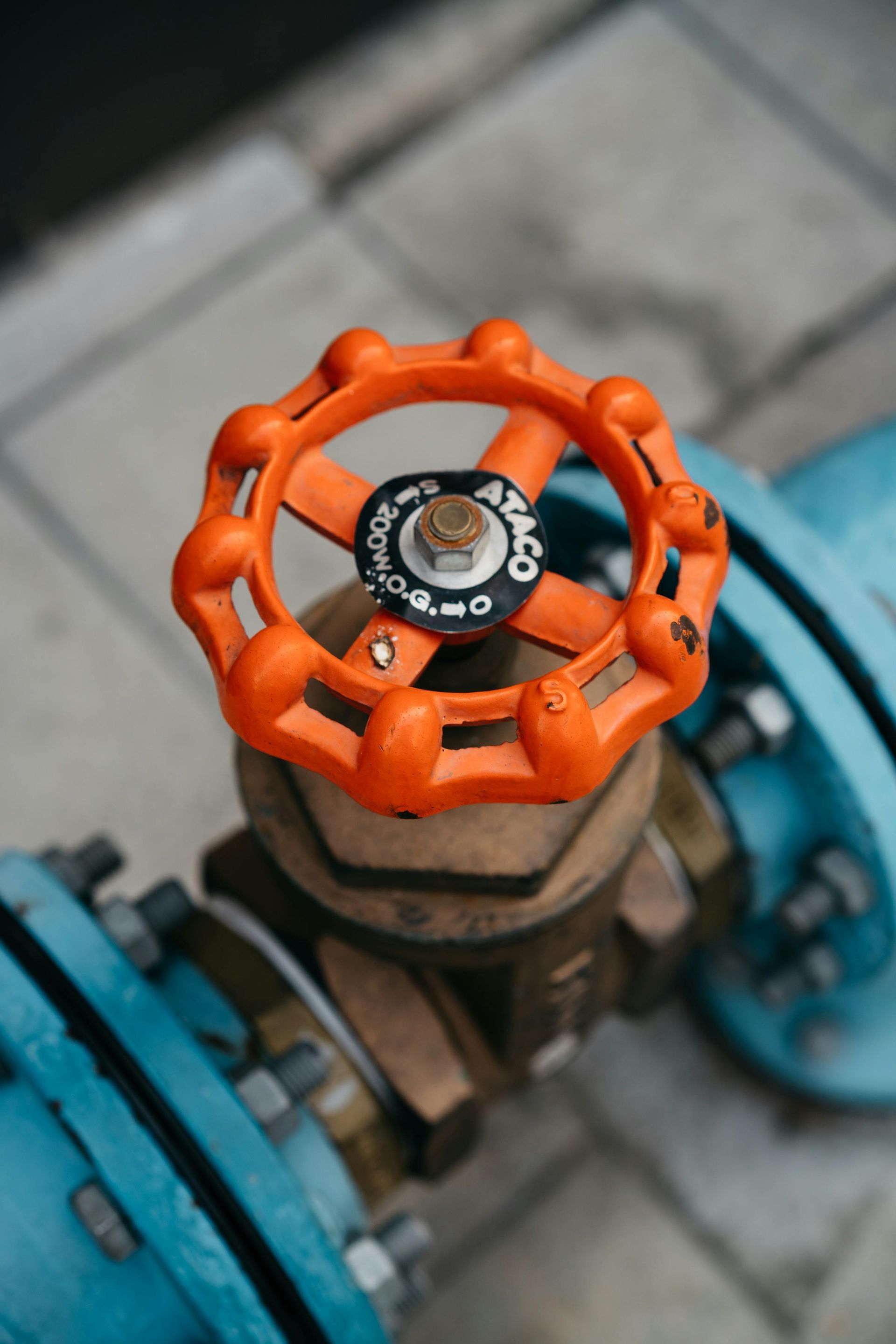
- Safely isolate the water supply using the right valves
- Remove trims/handles carefully
- Inspect cartridges, washers and O-rings for wear, corrosion, or debris
- Look for signs of water tracking behind wall plates
Assessing Water Pressure & System Health
If pressure is suspected, a plumber may use a gauge to check line pressure and identify overpressure conditions.
They’ll also consider the bigger picture:
- Age of pipework
- Other fixtures showing similar symptoms
- Whether a pressure-limiting approach makes sense for the whole home
Investigating Possible Hidden Leaks
If there are signs of moisture in walls or ceilings:
- Targeted moisture checks can confirm damp areas
- Adjoining rooms, access panels or ceilings below may be checked
- You’ll get honest advice on whether tiles or trims need to come off for a proper repair
Professional Repair Options for a Leaking Showerhead
Replacing Worn Internal Parts
This is used if the cause of a shower head leaking is worn seals, but the shower fixtures are otherwise in good condition. A plumber will isolate the water, replace the correct internal parts, then reassemble and pressure-test for a fast, cost-effective fix.
Repairing or Replacing the Shower Mixer Valve
If the drip continues even when the mixer is fully off, the mixer valve or cartridge is often the culprit. The plumber identifies the exact mixer, fits the correct compatible cartridge/kit and tests it properly.
Replacing a Damaged or Poor-quality Shower Head
If the shower head is cracked, corroded or simply not worth repairing, replacement is usually the smarter option. A plumber can also recommend a water-efficient model that suits your pipework and local water pressure for strong flow without extra strain.
Fixing Leaks at the Shower Arm or in the Wall
This applies when the leak is coming from where the shower arm meets the wall, or damp patches keep showing up nearby. Repairs may involve removing trims (and sometimes tiles), fixing pipework or fittings, then resealing and pressure-testing before everything is closed up.
Managing High Water Pressure
If high pressure is driving the leak, the long-term fix is to reduce the strain across the system, not just at the shower. A plumber may install or adjust a pressure-limiting valve, check for faulty valves, and address water hammer so your showers, taps, toilets and hot water system last longer.
When the Problem Isn’t the Shower Head
Tapware and Mixer Valve Issues
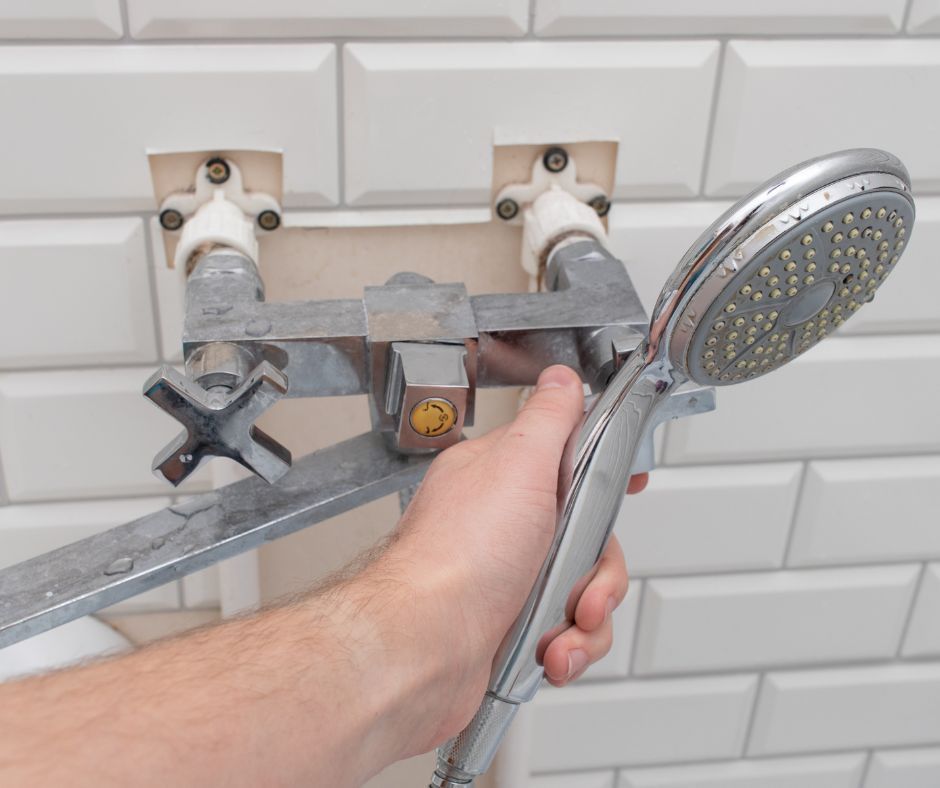
If your shower keeps dripping for hours after use, even after cleaning and replacing washers, the mixer valve or tap internals may be worn. Because fixing it usually means replacing cartridges behind the wall plate and safely isolating water, it’s best handled by a licensed plumber if you’re not confident.
Leaks in the Wall or Ceiling
Signs to watch for:
- Damp walls, bubbling paint, swollen skirting
- Ceiling stains near/under the bathroom
- Musty smells that won’t disappear
Likely causes include pipe joint leaks, corrosion or waterproofing failure behind tiles. This is beyond DIY and ignoring it can lead to structural damage and mould problems.
High Water Pressure and Water Hammer
If you’re hearing banging pipes, rattling or noisy plumbing, pressure issues or water hammer may be part of the story.
How to Prevent Shower Head Leaks in Future
A few simple habits can stop repeated issues:
- Clean shower heads every few months with a vinegar soak to reduce mineral build-up
- Avoid overtightening fittings, snug is enough. Forcing it can damage threads and seals
- Replace ageing or cheap plastic shower heads with quality fixtures that cope better with regular use
- Ask a plumber to check water pressure and valves as part of maintenance
When to Stop DIY and Call Eze-Flow Plumbing
Call a professional (and stop experimenting) if:
- Water is leaking from the wall, ceiling or behind tiles
- You’ve replaced washers/cleaned build-up and the leak keeps returning
- You’re noticing signs of high pressure or water hammer throughout the home
- You’re not confident working with fixtures, valves or isolation taps
Eze-Flow Plumbing are local, licensed plumbers serving Sydney’s Northern Beaches and North Shore. We’re used to the real-world scenarios that cause shower leaks.
If you need help with
burst pipes and leaks,
tap repairs, blocked showers or
urgent emergency plumbing,
contact the Eze-Flow team straight away. We’ll diagnose the issue properly and fix it neatly, with clear communication from start to finish.
Key Takeaways
- A leaking shower head is often caused by worn seals, mineral build-up or loose connections, but sometimes it points to a bigger plumbing issue.
- Many leaks improve with safe DIY steps like cleaning mineral build-up and replacing basic seals (if you can isolate water confidently).
- For persistent drips, moisture from walls/ceilings, or symptoms of high pressure, call for a licensed plumber immediately.
- Regular cleaning and pressure checks help prevent leaks and extend the life of your shower fixtures.
- For ongoing or worrying leaks across the Northern Beaches and North Shore, Eze-Flow can inspect, repair and help protect your home.
Frequently Asked Questions
Why is my shower head leaking when the water is turned off?
If it’s a brief drip right after you turn the shower off, it may just be residual water draining from the hose and shower head. But if it keeps dripping long after (or all day), it’s often worn internal parts, like washers, O-rings or a mixer cartridge that isn’t sealing properly. A plumber can quickly confirm whether it’s the head/joint or the valve inside the wall.
Can I fix a leaking shower head myself, or do I need a plumber?
You can often DIY simple issues, like cleaning mineral build-up, checking/tightening a loose connection, or replacing an accessible washer if you can isolate water safely. If water is coming from the wall, the drip never stops, or you suspect the mixer valve/cartridge is failing, that’s where DIY can cause more damage, and it’s best to call a licensed plumber instead.
How much water does a leaking showerhead waste?
It depends on the drip rate, but even a slow leak can waste significant water over time. A useful rule is to treat any daily drip as “real money”, because over weeks and months, it adds up and it can also increase the chance of moisture damage.
Why is my shower head leaking at the wall or arm connection?
Common causes include loose fittings, old thread tape or wear at the swivel/connection point. Sometimes the shower arm or fitting has a hairline crack, especially if it’s been overtightened or bumped. If there’s moisture behind the wall plate or dampness spreading, it’s time for a professional inspection.
Is it better to repair or replace an old, leaking shower head?
If the issue is a simple seal or build-up problem, repair makes sense. If the shower head is cracked, corroded or low quality, replacement is often the smarter option. You’ll spend less time chasing repeat leaks, and you can upgrade to a better-performing, water-efficient model.
Can high water pressure cause shower leaks?
Yes. Higher pressure can push water past seals and joints, and it can accelerate wear across multiple fixtures. If you’re also hearing banging pipes or noticing leaks in more than one spot, a pressure check can help prevent ongoing issues.
How often should I clean or service my shower head to avoid leaks?
A practical schedule is a clean every few months, more often if you notice reduced flow or a chalky build-up on the face. For older homes, units or properties with repeat issues, periodic plumbing maintenance (including pressure checks) can save a lot of trouble long-term.
Do Eze-Flow Plumbing service leaking showers on the Northern Beaches and North Shore?
Yes. Eze-Flow Plumbing services homes and businesses across Sydney’s Northern Beaches and North Shore, including leak inspections, shower and tap repairs, pressure assessments and urgent plumbing support when leaks are behind walls or causing damage.
You Might Also Like: