

What Do Gas Fitters Do? Duties, Safety & When to Call One
Gas and DIY don’t mix. One “quick fix” on a cooktop connection or outdoor BBQ point can turn into a leak, a failed appliance, or a very stressful call to emergency services. If you’re here because you’ve been wondering what gas fitters do (or you’ve got something that doesn’t smell or feel right), you’re already doing the smart thing: getting clarity before touching anything.
In this guide, we’ll walk you through what gas fitters actually handle day-to-day, the typical jobs in homes and businesses, when to call someone urgently and what a “licensed” gas fitter really means, especially for households and workplaces.
What is a Gas Fitter
A gas fitter is a trained, licensed professional who installs, repairs, maintains, tests and commissions gas systems and gas appliances. In simple terms, they’re the person you call when gas needs to be connected, checked, moved, made safe or proven safe again.
You’ll see gas fitters working in:
- Residential settings: houses, apartments, duplexes, granny flats and strata buildings.
- Commercial settings: cafés, restaurants, offices, retail spaces, schools and other sites where appliance load, uptime and compliance requirements are a bigger deal.
What Do Gas Fitters Do: Day-to-Day Core Responsibilities
If you’re searching Google for “gas fitter what do they do?”, it helps to think of the role as equal parts “hands-on trade” and “safety verification.” The work isn’t just connecting a pipe and leaving, it’s about making sure the entire setup operates safely, vents correctly and meets compliance requirements.
Here’s what that looks like in real life.
Install And Connect Gas Appliances
Gas fitters connect and commission appliances such as:
- Gas cooktops and ovens
- Gas hot water systems
- Gas heaters and fireplaces
- Bayonet points for portable heaters
- Outdoor BBQ points and alfresco kitchen connections
Run New Gas Lines + Modify Existing Pipework
Renovation season often means shifting kitchens, outdoor entertaining areas or hot water locations. A gas fitter can:
- Run new gas lines for appliance upgrades
- Reroute pipework when layouts change
- Extend services for new BBQ points or additional gas appliances
- Make sure pipe sizing is appropriate for the appliances being added (so everything runs as it should)
This is especially important in older homes, where previous pipe runs may not match modern appliance demands or where earlier work needs updating to current requirements.
Detect and Repair Gas Leaks
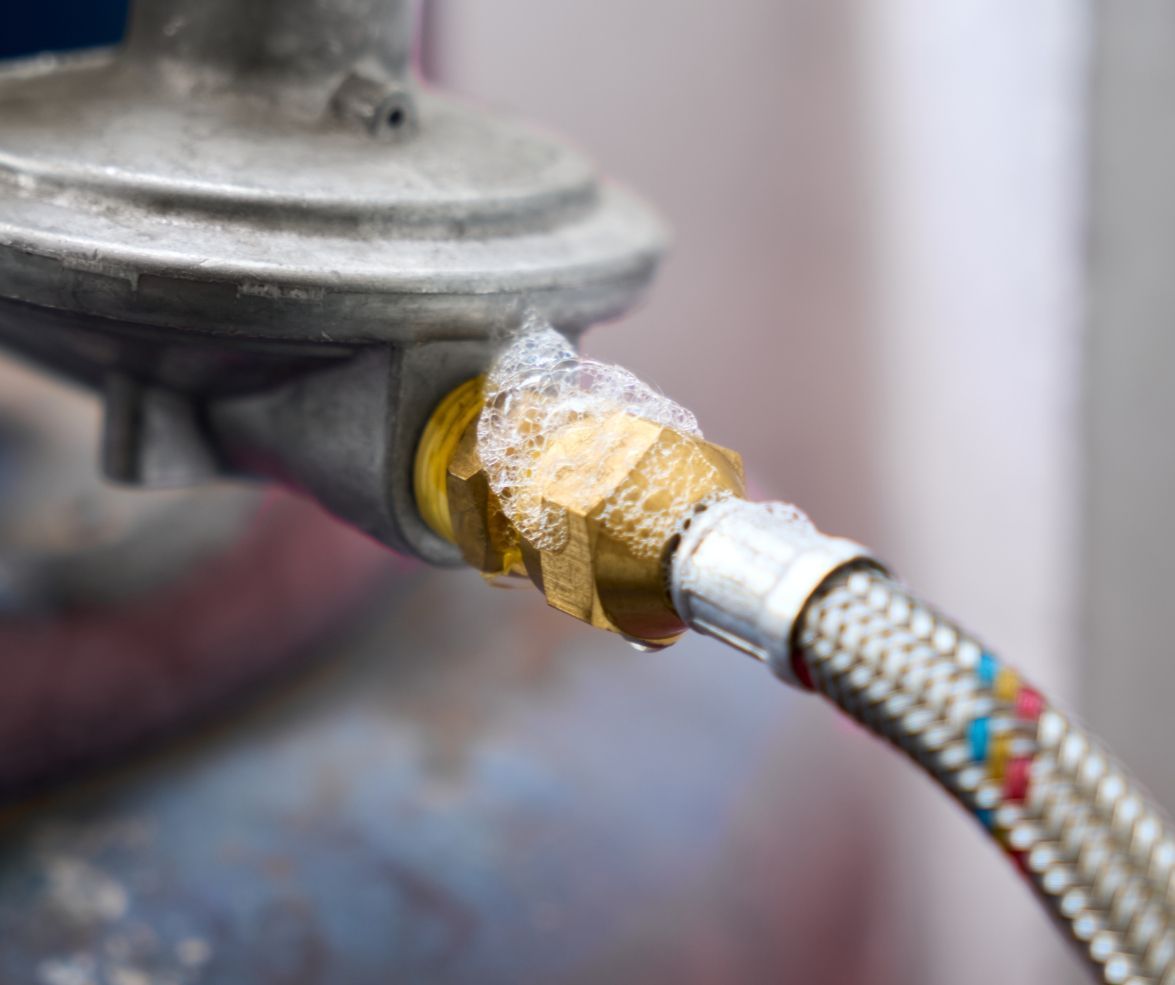
Leak work is a “find it, fix it, prove it” job, not guesswork. A licensed gas fitter can:
- Use proper leak detection methods to pinpoint the source
- Repair or replace faulty fittings/pipe sections
- Retest after repairs to confirm the system is safe again
If you ever suspect a leak, the safest move is to treat it as urgent and get a professional involved fast.
Service and Safety-Check Gas Systems
Even when nothing seems “broken,” gas systems can drift out of spec over time. Gas fitters perform checks that focus on safe performance and compliance, such as:
- Routine inspections and servicing
- Performance checks (does the system operate correctly under normal use?)
- Safety-focused troubleshooting when something isn’t working as expected
For busy households and commercial kitchens, this can also reduce downtime, because small faults don’t get the chance to snowball into major failures.
Issue Compliance Documentation Where Required
In NSW, certain gasfitting work requires formal compliance paperwork. In practical terms, that paperwork is your evidence that the system was tested and completed by a qualified person, and it can matter for insurance, property sales, strata records and peace of mind.
A
Certificate of Compliance(CoC) is commonly issued for gasfitting work on installations connected to a gas network. For some non-networked LPG setups, different documentation may apply. Either way, the right gas fitter won’t dodge this, because it’s part of doing the job properly.
Residential vs Commercial Gas Fitter: What Do They Do
Gas safety doesn’t change, but the context does and understanding what is a gas fitter helps explain why. A home cooktop connection and a restaurant kitchen line upgrade aren’t managed the same way, even if the fundamentals are similar.
Residential (Homes, Apartments, Strata)
In residential settings, the most common jobs include:
- Installing or replacing gas cooktops/ovens
- Gas hot water connections and upgrades
- Heater connections
- Leak checks and repairs
- Renovation-related pipe reroutes (kitchens, laundries, alfresco areas)
In strata and apartments, access planning and shared building considerations can add complexity. A good gas fitter will talk you through timing, access and how they’ll keep the site safe and tidy.
Commercial (Cafés, Restaurants, Offices, Retail)
Commercial work often has extra pressure because:
- Time restrictions (a café can’t simply “wait it out” if the kitchen is down)
- Compliance expectations are higher and more documented
- Appliance load and usage patterns can be intense (think long service hours, higher demand and more simultaneous draw)
Marine Gas
Marine gas work is highly specialised and safety-critical, definitely not a “close enough” job. It should be handled by a technician who understands the risks of confined spaces and the specific requirements of gas systems on vessels.
Plumber or Gas Fitter: Who Should You Call?
In Australia, there’s often an overlap. Many plumbers also hold the training and licensing to perform gas work. That said, “plumber” on its own doesn’t automatically mean they’re authorised to touch gas systems.
Before you book, make sure the person attending is properly licensed/qualified for the specific gas job you need. A reputable tradesperson will be happy to confirm their authorisation and explain what compliance documentation applies.
A simple rule: if it involves a gas connection, disconnection, repair, leak or any change to gas pipework, you should definitely
call a licensed gas fitter.
When to Call a Licensed Gas Fitter: A Practical Decision Guide
If you’re not sure whether you’re looking at an emergency or a “book it this week” situation, use this as your guide.
Urgent
Call a licensed gas fitter right away if you notice:
- A suspected gas leak or a persistent gas smell
- Hissing near gas lines or appliances
- An appliance repeatedly shutting off or behaving erratically after a gas-related change
- Anyone feeling unwell with symptoms like dizziness or headaches in a context where gas exposure could be possible
Soon
Book a service if you notice:
- Your appliance isn’t heating properly or is inconsistent
- Pilot/ignition issues (especially if they’re recurring)
- Sooting or staining around an appliance
- Inconsistent hot water or heating performance that’s worsening over time
These issues can be caused by a range of factors, but the common factor is that they’re not worth ignoring.
Planned Jobs
Plan ahead and book a licensed gas fitter for:
- Renovations that require moving or disconnecting appliances
- Appliance upgrades
- Adding a gas point
- Commercial fit-outs and kitchen changes where appliance load and compliance are key
If you plan the gas work early, you reduce delays and avoid rushed decisions at the end of a renovation.
How to Choose the Right Gas Fitter
Not all “gas services” are equal. Here’s how to choose someone you can trust, especially if you’re managing a family home, a strata property or a business that can’t afford downtime.
Non-Negotiables
- Licensed and Insured
Choose a properly licensed and insured gas fitter so the work is legally compliant and you’re protected if anything goes wrong. - Clear Leak Testing Process
They should clearly explain how they’ll test for leaks, confirm the fault, complete the repair and retest to prove it’s safe. - Compliance Documentation
You should receive the required compliance paperwork (such as a Certificate of Compliance, where applicable) after the job is completed.
Good-to-Haves
- Upfront pricing and clear scope
Look for clear quotes and scope upfront so you know what’s included and can avoid surprise add-ons. - 24/7 availability for leaks
Gas issues don’t always happen in business hours, so after-hours support can be a real advantage. - Local Area Knowledge
A local gas fitter is more familiar with common property setups, access constraints and strata/site requirements in your area.
The Bottom Line
Licensed gas fitters handle installations, repairs, leak detection, servicing and compliance, making sure your appliances and gas lines aren’t just working, but working safely and to the required standard.
Whether it’s a new cooktop connection, a hot water upgrade, a renovation reroute or a system that’s not performing properly, the safest move is to have a licensed professional assess it and document the work where required.
If you suspect a gas leak or you need a gas install or service,
call Eze-Flow Plumbing so you can get help fast.
Key Takeaways
- Gas fitting is specialised, regulated work. Don’t DIY.
- Gas fitters install, repair, test and maintain gas systems across homes and businesses.
- If you suspect a leak, act immediately and call a licensed gas plumber like Eze-Flow Plumbing.
- Always verify licensing and ask about compliance documentation where required.
Frequently Asked Questions
What do gas fitters do in Australia?
Gas fitters install, repair and maintain gas lines and gas appliances in homes and businesses. They also test systems for leaks and safe operation, then retest after any repairs or changes. Where required, they provide compliance documentation to confirm the work meets Australian regulations.
Is a gas fitter the same as a plumber?
Not always. There’s overlap, because many plumbers also hold gasfitting qualifications and licensing, but they are distinct areas of work. The key is verifying the person is licensed/authorised for gasfitting tasks.
Can a plumber legally do gas fitting work?
Only if they’re licensed/authorised for gasfitting in your state/territory. If you’re unsure, ask for proof and verify through the relevant licensing register.
How do I know if I have a gas leak at home or work?
Common gas leak warning signs include a persistent gas smell, hissing near a line or appliance, or unusual appliance behaviour. If you suspect a leak, treat it as urgent and call a licensed gas fitter.
What should I do if I smell gas?
Avoid flames and ignition sources, ventilate if it’s safe to do so, and shut off the gas supply at the meter if you can. Leave the area if needed and contact a licensed gas fitter urgently.
Do I need a gas fitter to install a new gas cooktop or oven?
Yes. Gas appliance installation and connection should be handled by a licensed gas fitter to ensure safe operation, correct ventilation considerations, and compliance requirements are met.
Do gas fitters provide Certificates of Compliance (CoC)?
Often, yes whenever required. Ask your gas fitter what documentation applies to your job and when you’ll receive it, especially for network-connected gas installations.
How often should gas appliances be serviced?
It depends on the appliance, usage, and manufacturer recommendations. As a general approach, if an appliance is used heavily (or shows any performance issues), booking a professional check sooner rather than later is a sensible move.
What’s the difference between natural gas and LPG work?
Natural gas is typically supplied via a network, while LPG is stored in cylinders/bottles on-site. The appliances, regulators, and setup details differ, so you want a licensed professional familiar with the type of gas system you’re using.
Are commercial gas fitting requirements different from residential?
Yes, commercial sites typically have higher appliance loads, stricter compliance expectations, and more formal documentation than residential jobs. The core safety principles are the same, but commercial work usually requires more planning to minimise downtime and manage risk.
You Might Also Like: