

Who to Call for Gas Leak: Emergency Steps and Expert Help
The moment you catch that sharp, “rotten egg” smell in your home or business, everything else instantly drops down the priority list. In that split second, knowing exactly who to call for gas leak help can be the difference between a quick, safe fix and a serious emergency.
For homeowners, investors and commercial property managers across the North Shore and Northern Beaches, gas is part of everyday life, from hot water and heating to commercial kitchens and marine gas on moored vessels. When something goes wrong, you need clear steps, not guesswork or conflicting advice.
This guide walks you through the essentials: what to do in the first few minutes, who do you call if you suspect a gas leak, what licensed professionals like
Eze-Flow Plumbing actually do when they arrive and how to reduce the risk of leaks in the future. This is your practical, local, step-by-step plan to stay safe.
Know the Signs Before You’re Asking Who Do I Call If I Have a Gas Leak
The best time to deal with a gas leak is before it becomes an emergency. The more familiar you are with the warning signs, the less likely you are to panic and Google “Who do I call if I have a gas leak?” in the middle of the night. Here are the key clues to look, listen and feel for around your property.
Smell
Natural gas and LPG are normally odourless, so suppliers add a chemical called mercaptan that smells like rotten eggs or sulphur. If you suddenly notice that strong, unusual smell, especially near a gas appliance, meter or pipework, treat it as an urgent warning. Don’t ignore it or assume it will “air out” on its own.
Sounds
Stand quietly near your gas meter, cylinders, exposed pipework or gas appliances. A continuous hissing or whistling sound may indicate gas escaping under pressure. Even a faint noise can signal a problem, particularly in quiet areas like garages, side passages or underfloor spaces. Move away and follow the safety steps in the next section.
Visual Clues Around Your Home or Building
Gas leaks can leave visible signs outside your property, especially around underground or garden areas:
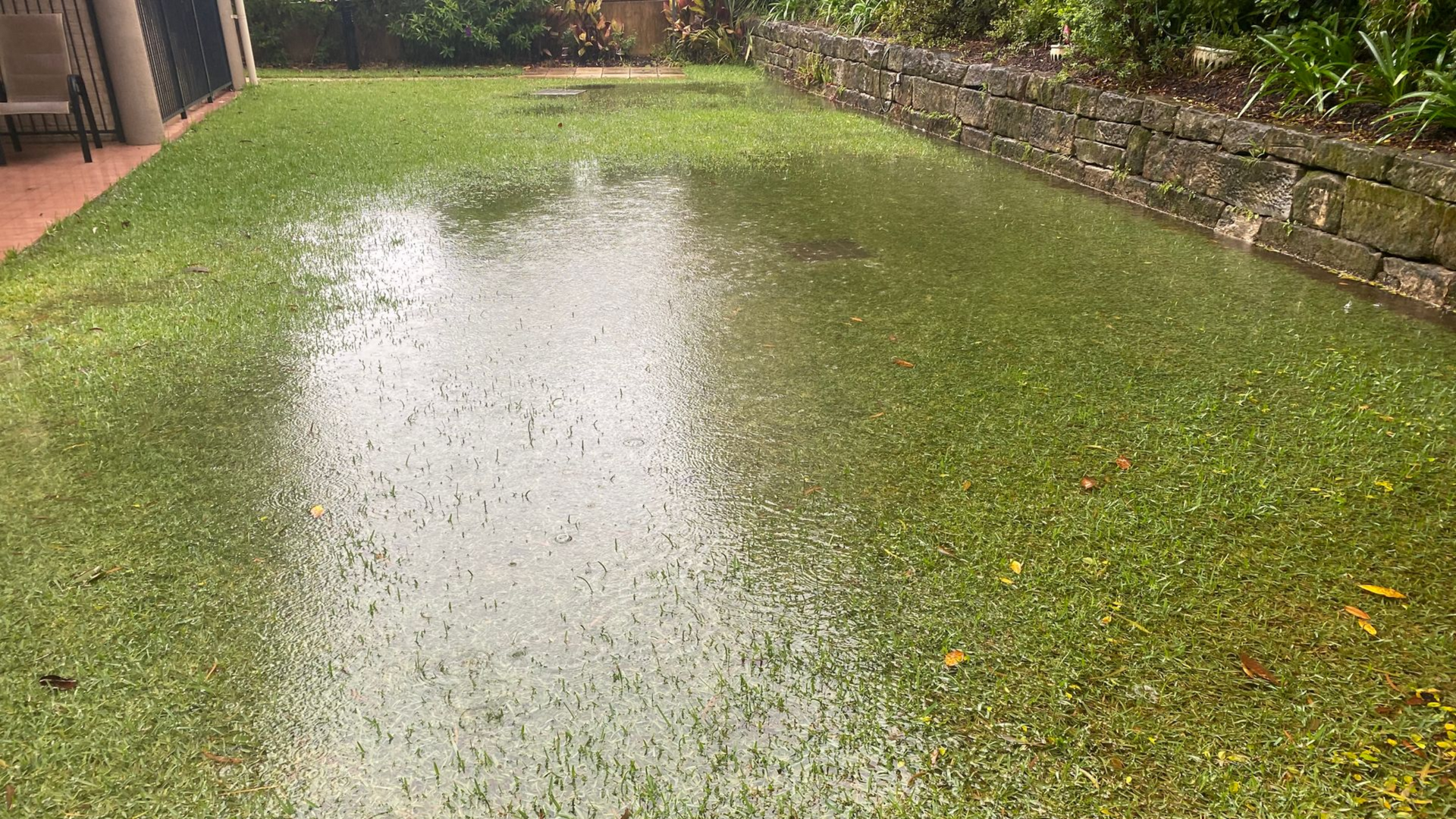
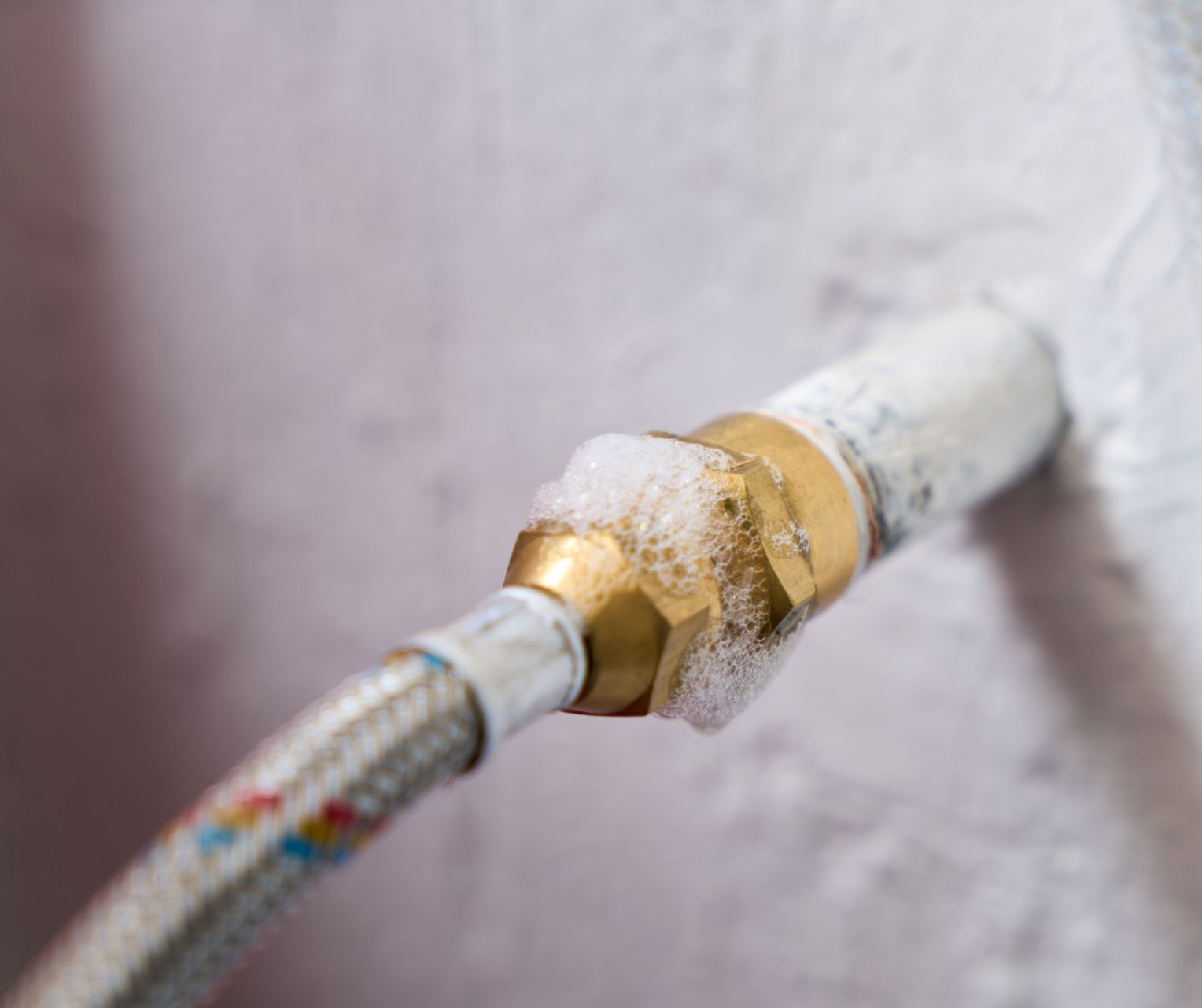
- Bubbles appearing in puddles or standing water above pipe runs
- Patches of dead, dying or yellowing vegetation in an otherwise healthy garden
- Dust or debris blowing or “puffing” from the ground near buried services
- Corroded, damaged or leaning gas meters and exposed pipes
On the Northern Beaches and North Shore, where coastal air and older pipework can speed up corrosion, these visual clues are worth checking whenever you’re outside.
Indoor Warning Signs From Gas Appliances
Indoors, your gas appliances can also flag a problem. Call for help if you notice:
- Pilot lights that keep going out or won’t stay lit
- Burners changing from a steady blue flame to yellow, orange or sooty flames
- Soot, scorch marks or discolouration around heaters, cooktops or hot water units
- Unusual condensation on windows or walls when gas appliances are running
These signs can indicate poor combustion, lack of ventilation or a leak around the appliance or flue.
Health Symptoms You Should Never Ignore
Gas leaks and poor combustion can affect people and pets before you see any other signs. If multiple people in the property experience symptoms that ease when they step outside, take it seriously. Common symptoms include:
- Headaches or dizziness
- Nausea or vomiting
- Extreme tiredness or confusion
- Shortness of breath or difficulty breathing
If anyone collapses, is hard to wake or struggles to breathe, treat it as an emergency, evacuate immediately and call 000.
Immediate Safety Steps in a Suspected Gas Leak
Once you suspect a gas leak, your priority is simple: get everyone out safely before you worry about repairs or “Who do I call if I have a gas leak?” Here’s what to do:
Step 1: Evacuate Everyone, People and Pets
Leave the building or affected area straight away. Don’t stop to grab belongings or “quickly check something”. Get everyone — including pets — into fresh air, away from the building and any potential leak.
Step 2: Avoid Any Ignition Source
Gas plus a spark is all it takes. Do NOT:
- Turn lights or electrical switches on or off
- Use power points, appliances or garage doors
- Use your mobile phone while still inside
- Start vehicles in garages
Step 3: Turn Off the Gas Supply Only If It’s Safe
If you know where your gas meter or LPG cylinder is and there’s no strong smell of gas or hissing near it, you may turn it off:
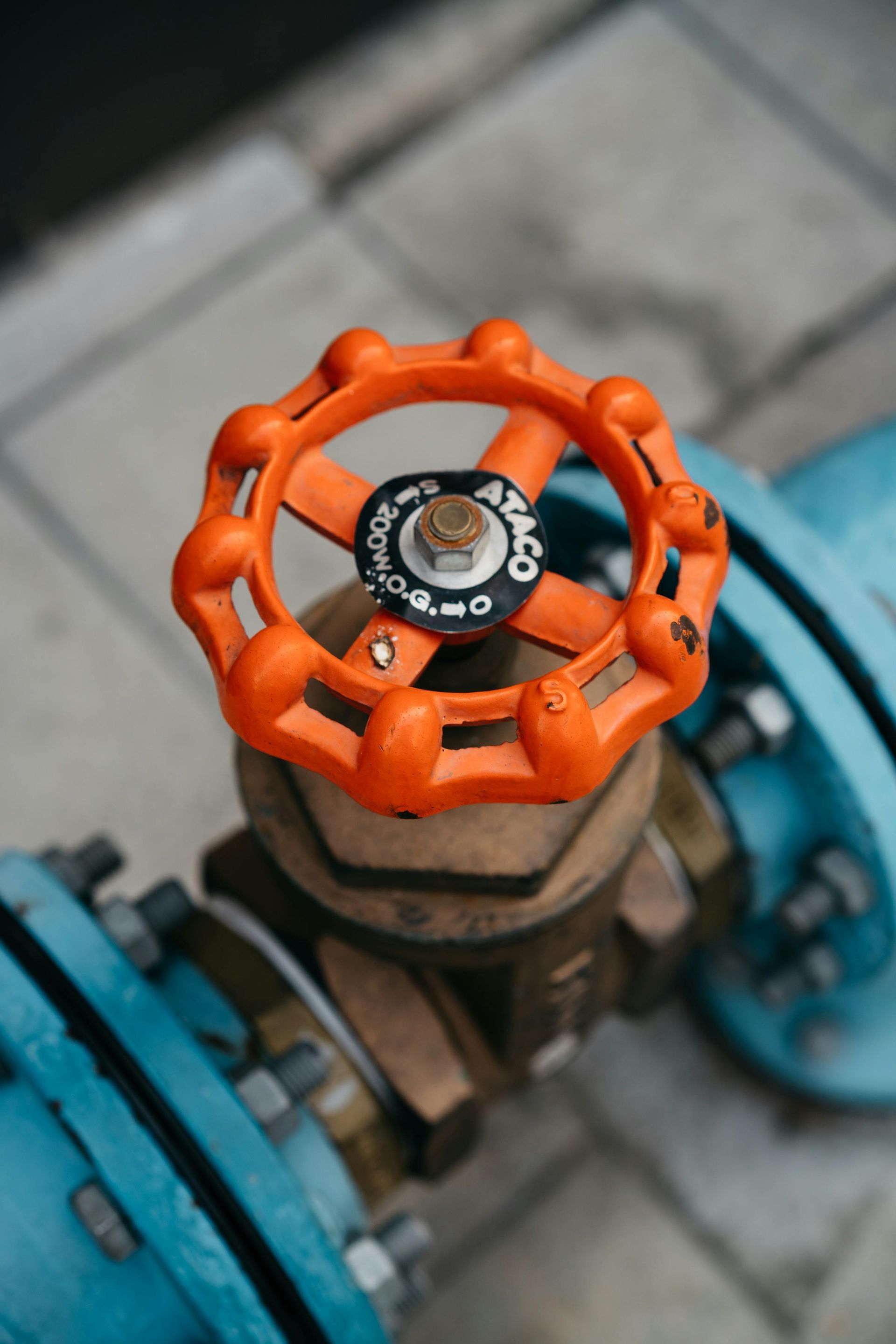
- For natural gas, use the isolation valve at the meter
- For LPG, close the cylinder valve clockwise until fully shut
If you smell gas or hear hissing at the meter or cylinder, do not touch it. Move further away instead.
Step 4: No Flames, No Smoking, No DIY Tests
Do not light matches, candles, cigarettes or use lighters or barbecue igniters. Don’t “test” for leaks with an open flame. Leave all that to licensed professionals who have the right equipment.
Step 5: Move to a Safe Distance, Then Make Your Calls
Once you’re outside, away from the building and any suspected leak, you can start making calls from a mobile or a neighbour’s phone. First, deal with any immediate danger (fire, explosion, people feeling very unwell) by calling emergency services, then contact your gas network and a licensed gas fitter like Eze-Flow Plumbing.
Who to Call for Gas Leak Emergencies
In the stress of the moment, it’s completely normal to think, “Who do you call if you suspect a gas leak?” The order you call people in depends on how serious the situation is, but the golden rule is: start with safety, then move to repair.
Emergency Services
Call 000 immediately if:
- You can see flames or an obvious gas cloud
- The gas smell is extremely strong or building rapidly
- People are collapsing, struggling to breathe or very unwell
- An explosion has occurred or you fear one is imminent
Fire and Rescue NSW are trained and equipped to secure the area, evacuate neighbours if needed and coordinate with other services.
Your Gas Supplier or Gas Network Operator
For suspected leaks on the street, near your gas meter or in the gas main, your gas network operator is the next call. Their emergency number is printed on your gas bill and usually on the meter itself. If you’re unsure, still call the number on your bill, they’ll redirect you if needed.
Licensed Gas Fitters & Gas Plumbers (Like Eze-Flow Plumbing)
Once everyone is safe and the immediate emergency has been reported, you’ll need a licensed gas fitter to actually find and fix the leak. That’s where a local, fully licensed and insured gas plumber like Eze-Flow Plumbing comes in.
Eze-Flow Plumbing is:
- Servicing all of Sydney’s North Shore and Northern Beaches
- Fully licensed and insured, with experience in both domestic and commercial gas work since 2009
- On call 24/7 for emergencies like gas leaks, burst pipes and hot water failures
We can safely repair the leak, test the system, relight appliances and provide any necessary documentation once the gas distributor has made the site safe.
Experienced Commercial Gas Fitters
In cafés, restaurants, strata buildings, offices and industrial sites, gas systems are often larger and more complex. There may be multiple appliances, long pipe runs, rooftop plant rooms and stricter compliance requirements.
For these sites, you need a licensed gas fitter with commercial experience, someone who understands not just safety, but also NSW regulations, compliance certificates and insurance requirements.
Eze-Flow Plumbing regularly works with commercial and strata clients across the Northern Beaches and North Shore, so we can coordinate with building managers, insurers and your gas network to get you back in business quickly and safely.
What Professional Help Does: What to Expect After the Call
Once you’ve made the right calls and a licensed gas fitter is on the way, it helps to know what will happen next.
When your licensed technician arrives, they will typically:
Confirm if the Area is Safe
They’ll check gas levels, ventilation and ignition risks before entering and may keep gas shut off at the meter or cylinder while they work.
Inspect the Meter, Pipework and Appliances
Using specialised detectors, manometers and, where needed, CCTV camera equipment, they’ll test your gas lines, appliances and joints to pinpoint the exact location of the leak or combustion issue.
Repair or Replace Faulty Components
Depending on what they find, this may include replacing sections of pipe, tightening or replacing fittings, repairing or replacing appliances or upgrading regulators and isolation valves.
Test, Ventilate and Certify
Once repairs are complete, they’ll pressure-test the system, check for further leaks, ventilate the area and relight appliances safely. For commercial sites and some residential jobs, they may also issue compliance documentation or gas certificates needed for insurance or regulatory purposes.
You’ll be told when it’s safe to re-enter the property, use appliances again and what to keep an eye on over the next few hours or days.
Simple Ways to Reduce Gas Leak Risk in Your Home or Business
Prevention is always better than an emergency call-out. A few regular checks and the right professional support can dramatically lower the chance of needing to ask, “Who do I call if I have a gas leak?” in the first place.
Book Regular Gas Safety Checks
Have all gas appliances, meters and pipework inspected by a licensed gas fitter every 1–2 years, or sooner if your system is older or heavily used (like commercial kitchens or guest accommodation). Regular servicing catches loose fittings, corrosion and combustion issues early.
Keep Gas Meters and Pipes Clear
Avoid stacking boxes, garden tools or building materials around your gas meter, cylinders or exposed pipework. Clear access not only helps technicians work safely, but it also reduces the risk of accidental bumps that can damage pipes or fittings.
Ensure Good Ventilation Around Gas Appliances
Heaters, cooktops and hot water systems need adequate ventilation to burn correctly and exhaust combustion products. Never block vents, cover appliances or store flammable materials like cardboard boxes, cleaning chemicals or paint near gas units.
Educate Everyone Who Uses the Building
In homes, make sure teenagers, housemates and regular visitors know the basics: what gas smells like, what signs to watch for and where to go in an emergency. In commercial and strata buildings, make sure staff and residents know evacuation points, how to raise the alarm and who to contact.
Install Carbon Monoxide Detectors as a Backup
Carbon monoxide (CO) detectors are a smart addition, especially in enclosed spaces and where gas heaters are used. They don’t always detect natural gas leaks themselves, but they can warn you about dangerous combustion issues that may be related to poor flues or appliance faults.
Special Considerations for Residential vs Commercial Properties
Gas behaves the same in every building, but the risks and responsibilities look a little different for residential and commercial properties.
Residential Properties
Most homes have smaller gas loads and simpler pipework, but the risk is still serious. Families, pets and visiting guests may not recognise the signs quickly and older Sydney homes can have legacy pipework that’s more prone to corrosion or damage.
For residential properties, the focus is on:
- Rapid evacuation and avoiding sparks
- Knowing which numbers to call from the fridge or phone contacts
- Having appliances serviced regularly, especially older heaters
- Using reputable, licensed gas fitters rather than DIY or unlicensed handypeople
Commercial and Strata Properties
Commercial and strata sites may have complex gas distribution, higher usage and more people on site at any given time. That increases both the safety risk and the compliance obligations.
For these properties, it’s critical to:
- Maintain detailed service records and compliance certificates
- Schedule regular commercial-grade inspections and cleaning
- Ensure evacuation procedures, signage and staff training are up to date
- Use licensed gas fitters with commercial and strata experience who understand NSW regulations and insurance requirements
In both cases, partnering with a trusted, local, fully licensed plumber and gas fitter like Eze-Flow Plumbing gives you one point of contact when something goes wrong, any time of the day or night.
Conclusion: Don’t Panic, Act Fast and Call the Right People
If you smell gas or notice any of the warning signs we’ve covered, treat it as urgent: evacuate, avoid all sparks and flames and contact the right people in the right order. In life-threatening situations, call 000 first. For street or meter leaks, call your gas network operator. For repairs and ongoing safety, call Eze-Flow Plumbing at 0439 025 458.
Professional, licensed help isn’t optional with gas, it’s necessary. Eze-Flow Plumbing has been looking after the gas plumbing needs of homes and businesses across the Northern Beaches and North Shore since 2009, with 24/7 response, upfront pricing and a strong focus on safety and long-term solutions.
We also handle a full suite of related gas services, including gas installations, gas appliance connections, gas leak detection and emergency gas repairs, LPG and natural gas repairs and installations, marine gas and gas service disconnections and issuing gas certificates of compliance.
On top of that, we can help with gas hot water system repairs and replacements and emergency plumbing services for the Northern Beaches and the North Shore, so your home or business stays safe and fully up to code.
Save this guide, so if you ever find yourself wondering who to call for gas leak help, you’ve already got the answers and the right local experts ready to go.
Frequently Asked Questions
What are the most common signs of a gas leak?
The most common signs are a strong rotten-egg or sulphur smell, hissing or whistling near gas lines, bubbles in standing water, dead or dying plants above underground pipes, soot or scorch marks around appliances and unexplained health symptoms like headaches or dizziness.
Should I call emergency services or a plumber first?
If there’s a strong smell of gas, fire, explosion or if anyone is unwell, call 000 first. Once the immediate danger is controlled and everyone is safe, call your gas network operator and then a licensed gas fitter like Eze-Flow Plumbing to locate and repair the leak.
Can I attempt to fix a gas leak myself if it seems small?
No. Even a “small” leak can escalate quickly and is illegal for unlicensed people to repair. Never try to tighten fittings, replace parts or use open flames to “find” a leak. Always leave gas work to a licensed gas fitter.
What’s the difference between LPG and natural gas when it comes to leaks?
Natural gas is lighter than air and tends to rise and disperse, while LPG is heavier than air and can pool around floors, pits, basements and low areas. That’s why good ventilation and careful handling of LPG cylinders are so important.
How often should gas appliances and pipelines be inspected or serviced?
As a general guide, have appliances and gas pipework inspected every 1–2 years by a licensed gas fitter, or more often for older systems or heavy-use commercial setups like restaurants and cafés. Always follow the manufacturer’s service recommendations too.
What should I do if I smell gas but can’t locate the source?
Treat it as a leak even if you can’t see where it’s coming from. Evacuate, avoid ignition sources and call your gas network operator and a licensed gas fitter. Many people in this situation ask, “Who do you call if you suspect a gas leak?” The answer is: emergency services if it’s severe, then your gas network and a trusted local gas plumber.
Are carbon monoxide detectors enough for detecting gas leaks?
Carbon monoxide (CO) detectors are an excellent safety measure for combustion issues, but they don’t always detect natural gas itself. Use CO detectors as a backup to regular servicing, good ventilation and knowing the physical signs of a gas leak.
Who can legally perform gas repairs and why does licensing matter?
In NSW, only licensed gas fitters can legally perform gas installations, alterations and repairs. Licensing ensures they’re trained, insured and working to Australian Standards, which protects your safety, your insurance cover and your property value.
What are my responsibilities as a property owner to prevent gas leaks?
Owners are generally responsible for gas pipework and appliances from the meter into the property. That includes organising regular servicing, fixing faults promptly, using licensed trades and ensuring safe access to meters and gas equipment. Your gas network looks after the gas main and the meter itself.
What should I do after a gas leak has been repaired?
After repairs, your licensed gas fitter will test the system and confirm it’s safe. Keep any invoices, reports or compliance certificates, and follow their advice on future servicing intervals. If you notice any new smells, sounds or symptoms, contact them again straight away.
You Might Also Like: