
Causes of Blocked Commercial Drains
When a drain blocks in a commercial building, it doesn’t just cause a bit of splashing in the sink. It can shut down bathrooms in a busy office, flood a café kitchen or send foul smells through. That means lost rent, frustrated tenants, staff downtime, potential health issues and a serious hit to your reputation if customers or guests are caught up in it.
Commercial drainage systems simply work harder than residential ones. They handle higher volumes of water, more people and very different types of waste, from kitchen grease and coffee grounds to sanitary products and car-park stormwater full of sand and leaf litter. Add long pipe runs under car parks, older clay or concrete pipes and tight trading hours, and the risk and impact of a blockage is much higher for businesses across the Northern Beaches and North Shore.
In this guide, we’ll unpack the main causes of blocked commercial drains, the early warning signs to watch for and the practical steps Northern Beaches and North Shore property managers, strata managers and business owners can take to prevent problems. Throughout, we’ll show how partnering with a local specialist like
Eze-Flow Plumbing helps you stay compliant, protect your assets and keep tenants happy.
Why Commercial Drains Are More Vulnerable than in Typical Residential Setups
Commercial plumbing looks similar to what you see at home, but behind the walls and under the concrete, it’s a very different beast. Here’s why your office block, retail strip or multi-tenant building is more vulnerable to drain issues than a standard house.
Higher Traffic & Usage
In a typical family home, you might have a handful of people using the bathroom and kitchen each day. In a busy commercial site, hundreds of people can be using the same toilets, basins and kitchen sinks daily.
Every extra flush, handwash, dish rinse and mop bucket pour-out increases wear on the pipework and speeds up the build-up of grease, soap, paper and debris. Outdoor drains in car parks and loading bays also cop with heavy use, dealing with washdowns, rain and runoff from large areas.
Diverse Waste Types
In commercial settings, your drains aren’t just dealing with water and a bit of soap. They’re handling:
- Fats, oils and grease from cafes, restaurants and office kitchens
- Food scraps, coffee grounds and milk
- Wipes, paper towels and sanitary products from shared bathrooms
- Sand, leaves, bark and general grit in stormwater from car parks and landscaped areas
This mix sticks to pipe walls, catches on rough or damaged sections and quickly builds up into solid obstructions that are much harder to clear than your average domestic blockage.
Larger Network, Ageing Infrastructure & Hidden Access Points
Commercial buildings and complexes often have long runs of underground pipework connecting multiple bathrooms, levels and tenancies to shared sewer and stormwater lines. Older buildings across the Northern Beaches and North Shore may still have original clay or concrete pipes, laid decades ago, with joints that have moved or cracked over time.
These long, ageing pipe networks are often buried deep under driveways or slabs, with limited access points. That makes it easier for a small defect to turn into a major blockage and harder to diagnose without CCTV and specialist equipment.
Regulatory/Compliance Pressures on Commercial Premises
Unlike a private home, a commercial property has to meet stricter health, safety and trade waste obligations. Local council and Sydney Water rules around grease arrestors, stormwater management and backflow prevention mean a serious drain issue can quickly turn into compliance action, especially if sewage or polluted water escapes to common areas, neighbouring properties or the street.
For business owners, that often means responding promptly to notices, carrying out CCTV inspections and providing reports from a
licensed plumber, something Eze-Flow Plumbing handles regularly as part of our commercial and strata work.
Top Causes of Blocked Commercial Drains
There’s rarely a single culprit behind a major blockage. In most commercial buildings, it’s a mix of day-to-day habits, ageing pipes and lack of maintenance. Here are the most common blocked commercial drains causes we see across various commercial properties.
Grease and Fat Build-up in Kitchens
Commercial and shared office kitchens see constant dishwashing, coffee machine rinses and food prep. Even with a grease arrestor in place, a steady trickle of fats, oils and grease can cool and harden inside pipes.
Over time, this sticky layer grabs food scraps, tea bags and coffee grounds. Flow slows down, odours appear and eventually the line blocks completely.
Non-Flushable Items and Sanitary Products in Bathroom Blocks
In shared or public bathrooms, you can’t control what every visitor flushes. Sanitary pads, tampons, wipes, paper towels, nappies and even cleaning cloths regularly end up in commercial toilets. These items don’t break down like toilet paper. Instead, they snag on joints and defects, knitting together into stubborn clumps that catch more and more material.
Tree Root Intrusion into Older Pipes
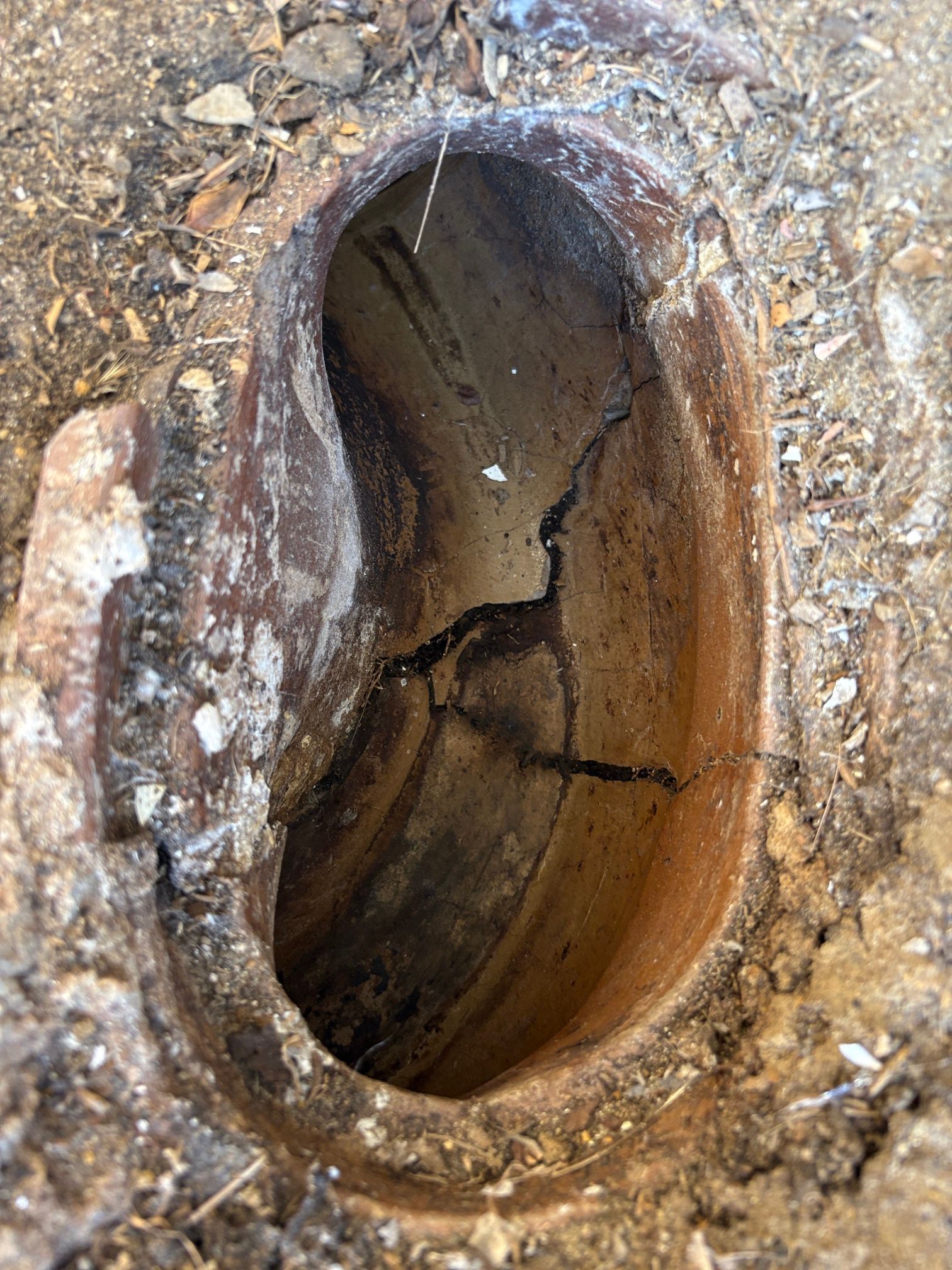
Around leafy suburbs, large trees and thirsty roots love older sewer and stormwater pipes. Any tiny crack or failing joint becomes an entry point. Roots push their way in, thicken, and act like a net inside the pipe.
At first, you might notice slower drains or occasional gurgling. Left alone, those roots can almost completely block the line or even break the pipe, leading to recurring blockages, sewage smells and overflows into gardens, basements or car parks.
Stormwater & Debris Entry into External Drains and Car Park Drainage
Car parks, loading docks and outdoor common areas rely on grates, pits and strip drains to move water away quickly during rain. These drains often collect extra sand and leaf litter, especially after big storms or strong winds.
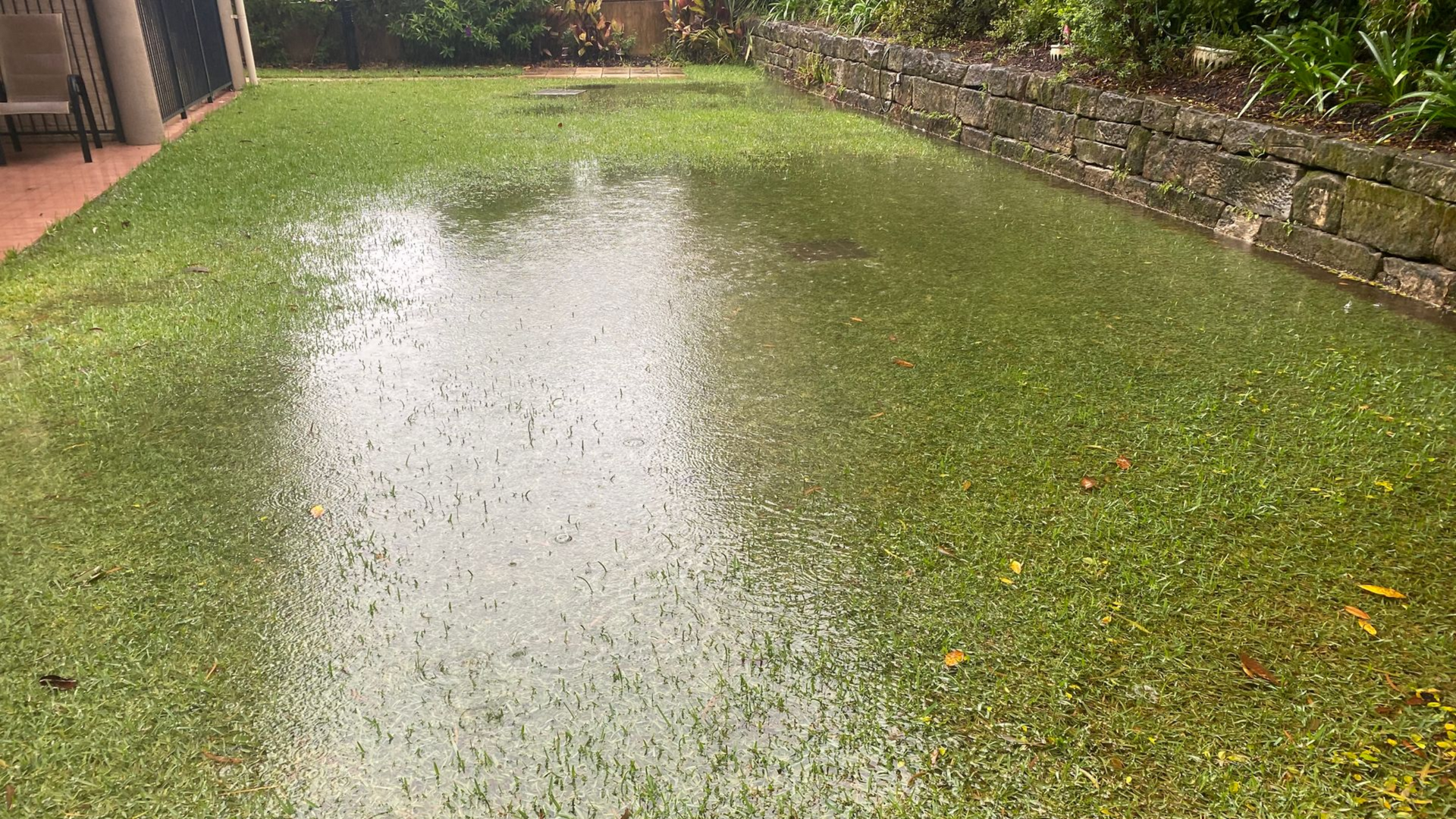
When grates clog or pits fill with leaves, silt and rubbish, water can’t get away. Instead, it ponds around entries, seeps into basements or causes localised flooding, which can be a genuine safety risk in car parks, ramps and stairwells.
Pipe Sagging, Misalignment or Collapsed Sections Under High-traffic Areas
Heavy vehicle loads, soil movement or poor original installation can cause underground pipes to sag, shift or crack beneath driveways and car parks. In these low spots, water slows and solids settle out, building a layer of sludge that quickly catches more debris.
In worst cases, the pipe collapses completely and the only way to restore proper flow is excavation or relining. CCTV inspections are necessary here to see exactly what’s going on before any major repair is planned.
Foreign Objects or Accidental Waste Disposal
In commercial spaces, we’ve seen all sorts of things down drains, from cutlery, straws, packaging, cable ties, kids’ toys and even construction materials from on-site fit-outs. A single object can wedge at a junction or bend, catch other waste and snowball into a full blockage.
Good site rules during renovations and clear signage for tenants can dramatically reduce these “how did that get in there?” call-outs.
Inadequate Maintenance/Lack of Inspection
Finally, one of the most preventable blocked commercial drains causes is simply not maintaining the system. Commercial drains that are never inspected, jetted or checked on CCTV will eventually fail, usually at a time that disrupts trading or tenancy.
A simple scheduled maintenance plan with a local plumber can pick up early issues like root ingress, minor sags or partial grease build-up long before they turn into an emergency.
Early Warning Signs Your Commercial Drains Are Close to Blocking
The good news? Commercial drain failures seldom come out of nowhere. Most sites show warning signs in the weeks and months beforehand. Train your building managers, cleaners and tenants to flag these early clues.
Slow Drains or Gurgling Sounds
Sinks, floor wastes or toilets that drain slowly, bubble or make gurgling noises are classic signs of a developing restriction or partial blockage further down the line.
Odour or Recurring Foul Smell
Persistent sewer or “rotten egg” smells around pits, basements or plant rooms usually mean trapped waste or stagnant water in the system.
Overflowing Floor Wastes or Stormwater Pits During Minor Rainfall
If pits overflow or car parks pond even in light rain, debris, silt or a downstream restriction is likely stopping water from getting away at the rate it should.
Water is Backing Up from External Drainage Outlets
Water bubbling out of external overflow points or relief gullies is your system’s way of saying “I’m full”. It’s a major red flag that the main line is compromised.
Frequent Service Calls for Flushing or Jetting
If you’re calling a plumber every few weeks to “flush the line”, you don’t have a series of small problems. You have one bigger, underlying issue that needs proper diagnosis.
Preventive Maintenance Strategies for Property & Strata Managers
Preventive drain maintenance is far cheaper and less stressful than emergency clean-ups and insurance claims. Here’s how property and strata managers can stay ahead of problems.
Scheduled CCTV Drain Inspections and Clean-Outs
Build CCTV and jetting into your annual (or biannual for higher-risk sites) maintenance schedule. For older buildings, food venues, gyms and multi-tenant offices, regular inspections help you:
- Map the condition of key sewer and stormwater lines
- Track issues like root growth or developing pipe sags
- Plan repairs or relining well before a crisis hits
Grease Trap Maintenance and Kitchen Disposal Policy
For sites with commercial kitchens or high-use staff kitchens, ensure:
- Grease arrestors are serviced as per trade-waste requirements
- Tenants know what can and can’t go down the sinks
- Simple habits like scraping plates into bins, using sink strainers and wiping pans before washing are standard practice
Clear Occupant Guidance on What NOT To Flush Or Discharge
Simple, clear signage in bathrooms and kitchens goes a long way. Let occupants know:
- No wipes (even “flushable wipes”), nappies or sanitary products down toilets
- No food scraps, coffee grounds or oils down sinks
- Where to dispose of mop water or cleaning chemicals safely
Back that up with lease clauses or building rules so you have something to point to when misuse becomes a pattern.
Stormwater Grate and Car Park Drain Clearing Before Wet Seasons
A big coastal storm can dump a huge amount of water and debris in a short time. Make it standard practice to:
- Clear leaves and rubbish from grates and pits heading into the wetter months
- Check that key strip drains in car parks and loading docks are free-flowing
- Have a plumber inspect any pits or lines that have ponded or overflowed previously
Installing and Monitoring Access/Inspection Points
If your building lacks inspection openings on long runs, consider having Eze-Flow Plumbing install strategic access points. That makes future jetting, CCTV and maintenance simpler, faster and less disruptive, and can save concrete cutting or excavation later.
Contacting a Trusted Plumbing Partner for Proactive Maintenance
Rather than ringing around during a crisis, line up a local, licensed commercial plumber who understands your site. Eze-Flow Plumbing has been servicing Sydney’s Northern Beaches and North Shore since 2009, specialising in blocked drains, drainage solutions and commercial maintenance with up-front fixed pricing and a lifetime labour guarantee.
That means you get consistent reporting, a clear history of your assets and a team who already knows the local conditions when you do need urgent help.
What To Do When a Blockage Occurs and How to Find the Commercial Drains Blockage Cause Fast
Even with good maintenance, things can still go wrong. When they do, how you respond in the first hour can make the difference between a contained issue and a full-blown shutdown.
Safely Isolate Usage and Minimise Disruption
If a toilet is backing up or a pit is overflowing, close off the affected area where possible. Put up temporary signage, redirect staff or customers to alternative facilities and, in severe cases, halt use of kitchens or high-risk zones until the issue is assessed.
Contact Specialist Drain-Clearing Services with CCTV and Jetting
A true commercial drain emergency needs more than a plunger. Call a plumber who:
- Has high-pressure jetting equipment capable of clearing long commercial runs
- Uses CCTV cameras to inspect the line and identify the exact commercial drains blockage cause
- Can work outside normal hours to reduce the impact on trading and tenants
Eze-Flow Plumbing has specific blocked drain equipment for Northern Beaches and North Shore properties, including high-pressure jetting and CCTV to locate and clear serious blockages quickly.
Document the Incident and Determine the Root Cause
Ask your plumber for clear photos, CCTV footage and a written summary of what they found. That documentation helps you:
- Report to owners, strata committees, insurers or council if required
- Decide whether it was a once-off issue or part of a bigger pattern
- Plan any repair works or upgrades based on real evidence rather than guesswork
Review Tenant Behaviour/Lease Conditions If Required
If the blockage is linked to misuse, for example, wipes, sanitary items or food waste repeatedly being flushed or rinsed, you’ll have grounds to:
- Remind tenants or occupants of building rules
- Update signage or induction materials
- Adjust lease clauses to clarify responsibilities for misuse-related damage
Plan for Remediation and Long-Term Fixes
Where CCTV shows pipe defects, root intrusion or collapsed sections, build a remediation plan. That may include:
- Targeted excavation and replacement of damaged pipe sections
- Pipe relining where excavation is impractical
- Root treatment and regular follow-up jetting
- Adding new inspection points to allow easier future maintenance
Why a Local Commercial Drain Specialist Matters: The Eze-Flow Plumbing Difference
Commercial drainage problems aren’t the place for guesswork or “we’ll see how we go” approaches. You need a plumber who understands complex systems, local regulations and the realities of managing tenants, staff and customers.
Deep Experience with Commercial, Strata & Multi-Tenant Sites
Eze-Flow Plumbing is a family-run business, servicing all of Sydney’s Northern Beaches and North Shore since 2009. The team regularly works on commercial sites, strata buildings, Airbnb properties and mixed-use complexes, from small retail strips to larger multi-storey buildings.
That on-the-ground experience means we’re familiar with the common failure points in local buildings and typical drainage layouts used across the region.
Up-Front Pricing & a Lifetime Labour Guarantee
Blocked drains are stressful enough without surprise invoices. Eze-Flow Plumbing operates on an up-front fixed-price model, so you know the cost before work begins, and we back our workmanship with a 100% lifetime labour guarantee. For property managers and business owners, this delivers predictable costs and confidence that any workmanship issues will be fixed promptly.
Latest Diagnostic and Clearing Technology
Eze-Flow Plumbing uses up-to-date diagnostic tools, including CCTV drain cameras and high-pressure water jetting, to accurately locate, clear and diagnose causes of blocked commercial drains. That means less trial and error, fewer unnecessary excavations and quicker turnaround, especially important where you’re trying to keep trading or tenants running during repairs.
Preventative Mindset, Not Just “Unblock and Go”
Because Eze-Flow Plumbing specialises in
drainage and blocked drains, the focus is always on long-term flow, not just today’s blockage. After clearing a line, we will recommend practical maintenance steps and any repair or upgrade options to reduce future risk, helping you avoid repeat emergencies and protect the value of your asset.
FAQs
What are the most common blocked commercial drains causes?
The most common blocked commercial drains causes are grease and fat build-up from kitchens, wipes and sanitary products in toilets, tree roots in older pipes, debris-filled stormwater pits and structural pipe issues like sags or collapses. Often, more than one of these is at play in any serious blockage.
How often should commercial drains be inspected or cleaned?
For typical offices and strata blocks, a CCTV inspection and preventative clean every 12–24 months is a good benchmark. High-risk sites, such as restaurants, childcare centres, gyms or older buildings with a history of issues, may need more frequent checks. Your plumber can recommend a schedule based on your site’s age, usage and past problems.
Can a blocked drain cause health or compliance issues for commercial property?
Yes. Sewage overflows, foul odours and contaminated stormwater can create health hazards for staff, tenants and customers, and may trigger action from council, Sydney Water or workplace safety regulators. In some cases, serious incidents can lead to temporary closure until the issue is resolved and the area is cleaned and disinfected.
What signs should property managers watch for that indicate a drain block is developing?
Watch for recurring slow drains, gurgling sounds, unexplained sewer smells in basements or car parks, stormwater pits that overflow during light rain and repeated call-outs for the same line. These are all early signs of a developing blockage or pipe defect that needs CCTV investigation.
Are grease traps always required in commercial kitchens, and how do they help prevent drain blocks?
Most commercial kitchens are required by water authorities and councils to have a compliant grease arrestor, but the exact rules depend on your location and the type of food service. A correctly sized and maintained grease trap captures fats, oils and grease before they reach the sewer, drastically reducing the risk of internal grease build-up and blockages. Your plumber can advise if your existing setup meets trade-waste requirements.
How much does it cost to clear a blocked commercial drain vs preventive maintenance?
Costs vary depending on factors like pipe length and depth, access, time of day and whether repair work is needed. A planned CCTV inspection and jet clean is almost always cheaper than an after-hours emergency call-out with flooding, clean-up and potential lost trading. With Eze-Flow’s up-front fixed pricing and lifetime labour guarantee, you’ll know the cost before work starts.
Can tree roots really cause blocked drains in commercial properties?
Absolutely. Large trees along driveways, car parks or landscaped courtyards will happily invade older sewer and stormwater pipes through tiny cracks or loose joints, whether the building is residential or commercial. Once inside, roots grow quickly, catch debris and can eventually crack or collapse the pipe if left untreated.
What should you avoid flushing down commercial toilets or kitchen drains?
In toilets, avoid wipes (even “flushable” ones), nappies, sanitary products and paper towels. In kitchens, keep fats, oils, grease, food scraps and coffee grounds out of the sink wherever possible. Provide clear signage and bins so staff and visitors have easy alternatives.
How do I choose a plumbing company for commercial drain maintenance? What should I look for?
Look for a fully licensed and insured plumber with proven experience in commercial and strata work, access to CCTV and jetting equipment, strong local reviews and clear, up-front pricing. A lifetime labour guarantee is a strong sign that they stand behind their work.
Is it better to replace old drainage infrastructure or keep repairing it when blockages keep happening?
If you’re dealing with repeated blockages on the same line, it’s usually more cost-effective long-term to properly investigate with CCTV and plan a repair or upgrade (such as relining or replacing a failed section) rather than repeatedly jetting it. Your plumber should provide footage and a clear options report so you can weigh the cost of one-off remedial work against ongoing disruption and emergency call-outs.
You Might Also Like: