

Low Water Pressure in Shower: What’s Causing It and How Do You Fix It?
When your shower feels more like a trickle than a rinse, it is not just annoying. It usually means something in the system is restricting flow. Weak shower flow often comes down to one of two things: a restriction right at the shower, or a broader plumbing issue affecting water delivery before it even reaches the bathroom.
For homes across Sydney’s North Shore and Northern Beaches, that distinction can save a lot of wasted time. There’s no point replacing fittings over and over when the issue is sitting behind the wall, under the floor, or near the main supply.
In this guide,
Eze-Flow Plumbing explains what low water pressure in the shower actually looks like, how to narrow down whether the issue is shower-only or house-wide, which causes are most common, and when safe checks stop being worth it. The goal is to help you recognise the pattern quickly, avoid making the problem worse, and know what to tell a
licensed plumber when you book.

What Counts As Low Water Pressure From the Shower
There is no single number that every homeowner notices first. Usually, people notice the experience before the measurement, shampoo takes longer to rinse, the spray feels patchy, or the pressure drops as soon as someone opens another tap. That is why the best first step is to look at symptoms and compare outlets, rather than guessing.
Quick Signs You’ve Got a Water Pressure Problem
A shower pressure issue often shows up as weak flow, an uneven spray pattern, strange noises at the head, visible mineral or sediment build-up, or water continuing to drip after shut-off. Those are all clues that the restriction may be at the showerhead, shower arm, valve, or elsewhere in the plumbing line.
If the spray feels inconsistent, that difference matters less than the pattern. A single poor-performing shower usually points to a local fitting or valve issue. Multiple fixtures struggling at once usually point to something deeper in the system.
Fast DIY Check
Grab a 1-litre jug and a stopwatch, then run the shower and record the time how long it takes to fill the jug. This gives you a quick way to estimate whether the flow feels unusually weak.
Next, repeat the same test at another shower in the house. If the second tap fills much faster, the issue is likely localised to one fixture rather than the whole home.
Finally, check whether the problem happens on the
hot water tap only, cold water only, or both. That detail can help narrow down whether the cause is linked to a valve, a fitting, or a broader plumbing issue.
First Step: Is It Just One Shower or The Whole House?
Before looking for a fix, the first thing to work out is whether the low water pressure in the shower is isolated to one outlet or affecting water flow across the whole property. That simple comparison can help narrow down the cause much faster and give a plumber a clearer picture of what may be happening behind the scenes.
If It’s Only on One Shower
If the problem is limited to a single shower, the cause is often something local to that fixture. Common issues include a clogged showerhead or nozzles, a restricted shower arm, poor installation, or a fault with the local valve or mixer valve.
In these cases, the rest of the home may seem to be working normally, which is a strong sign that the issue is not coming from the main water supply. That makes it easier to focus on the parts directly connected to the shower itself.
If It’s the Whole House (or Multiple Showers)
If low pressure is showing up in more than one area, the problem is more likely tied to the wider plumbing system. A main shut-off valve that is not fully open, a faulty pressure regulator, a hidden leak, or restrictions in the pipework can all reduce water flow throughout the property.
This kind of pattern usually points to something deeper than a single fixture issue. When multiple showers are affected, it is often best to have the system checked properly before the problem leads to bigger plumbing damage.
Common Causes of Low Water Pressure in the Shower
Think of this as a diagnosis ladder. Start with the most common, cheapest, and easiest causes first. Then move to the faults that require tools, parts, or licensed plumbing work.
1. Clogged Showerhead
Mineral build-up and fine sediment gradually block the nozzle holes, reducing the volume that can get through and making the spray pattern look patchy. In practice, this often shows up as a few jets spraying sideways, some barely working, and a general drop in force.
In older properties with ageing internal pipework, small particles can travel downstream and collect at the showerhead. Even when the broader water supply is fine, the head itself becomes the bottleneck.
2. Showerhead Design (Water-Saving/Low-Flow/Unsuitable For Your Pressure)
Some showerheads are built to restrict flow. That is not automatically bad, but if the house already has modest pressure, a restrictive head can make the shower feel noticeably weaker. Several plumbing guides note that changing the head can help when the fixture design is the issue.
3. Poor Shower Arm Installation/Restrictions
A poorly installed shower arm can reduce flow more than people expect. Misalignment, thread tape used badly, or an internal restriction at the connection point can all choke water before it reaches the head. This is less common than a clogged head, but it is still regularly flagged by plumbing guides as a real cause of weak shower output.
4. Damaged or Clogged Shower Arm/Hose
Showers and flexible hose setups, internal deterioration, and trapped debris can all reduce flow. On fixed systems, the arm itself can accumulate debris or corrosion over time. If you clean the head and nothing changes, the restriction may be one fitting further back.
5. Plumbing System Issues
This is the point where the issue stops being a shower accessory problem and becomes a plumbing problem. Hidden leaks reduce available pressure because water is escaping before it reaches the bathroom. Pipe restrictions and corrosion narrow the pathway. Worn mixer valves can cause poor flow, inconsistent temperature, or a problem that only affects hot or cold water.
Safe DIY Fixes for When You Experience Low Water Pressure From the Shower
These are simple checks you can do before calling a licensed plumber.
Clean the Showerhead Properly
Remove the head if you can, clean the nozzles, and soak away visible mineral build-up. If the spray pressure and pattern improve, you have likely found the problem.
Check If the Local Isolation Valves are Fully Open
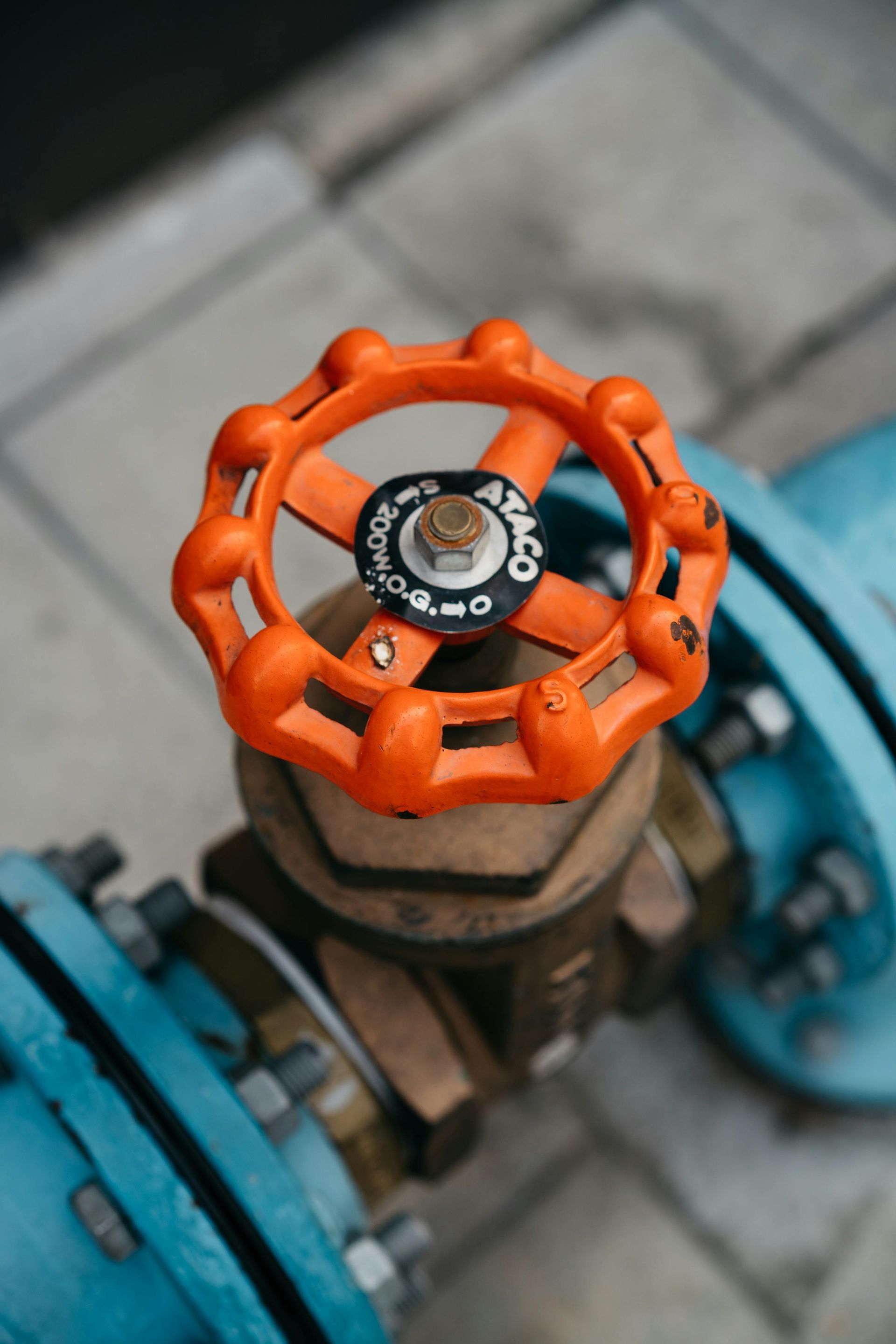
If recent maintenance was done in the bathroom, kitchen, or laundry, there is always a chance a valve was left partly closed. Check local stop taps or isolation valves and make sure they are fully open. This is a simple check, but it is one that solves more “mystery” flow problems than people think.
Replace the Showerhead
A showerhead better matched to low-pressure conditions can improve comfort. Just do not use replacement as a band-aid for a bigger issue. If multiple taps are weak, the real problem is elsewhere.
Try Off-peak Use
If your shower feels worse during peak demand times, test it outside those windows. Some guides point to early mornings and early evenings as periods where higher demand can affect what you notice at home. If the pressure noticeably improves later, that is useful evidence when diagnosing the problem.
When Low Water Pressure in the Shower Needs A Licensed Plumber
There is a point where more DIY stops being useful and starts delaying the real fix.
Red flags that point to more serious plumbing problems:
- Low pressure across multiple taps
- Problem affecting hot only or cold only
- Visible water damage, mouldy smells, or unexplained damp patches
- Recurring low pressure after cleaning or replacing the showerhead
In NSW, plumbing is licensed work for a reason. Once the issue points to valves, leak testing, pipe restrictions, or regulated plumbing components, it needs the right tools and a compliant repair process.
What a Plumber Will Check
A plumber can pressure-test the line with a gauge, isolate sections of the system, inspect valves, and work out whether the issue is a
leaky tap and shower, blockage, restriction, or failing component. That is faster than trial-and-error because each test rule causes an in or an out.

Why Weak Shower Pressure Costs More Than a Frustrating Morning
Low shower pressure is not just about comfort. It can increase shower time because you spend longer rinsing off. That means more water use, more hot water demand, and more energy consumed just to get clean.
It can also be an early warning sign. If the cause is a leak or internal restriction, the damage tends to get worse, not better. Hidden leaks can contribute to property damage and moisture problems. And if the issue is valve or pipe related, waiting rarely makes the repair simpler.
In other words, a weak shower can be the symptom that catches your attention before a more expensive plumbing problem fully shows itself.
Fix the Cause, Not Just The Symptom
Most shower pressure problems can be diagnosed quickly when you follow the right sequence. Start with the flow test, compare other outlets, clean the head, and look for clues that point to either a local shower restriction or a wider plumbing issue. In many cases, the answer is straightforward. In the stubborn ones, the real value comes from proper testing.
If you are in Sydney’s North Shore or Northern Beaches and the issue is persistent, affecting multiple fixtures, or tied to leaks, valves, or hidden pipe restrictions, Eze-Flow Plumbing offers the kind of support homeowners usually want at that point: fast response, fixed upfront pricing, and licensed local service.
Eze-Flow Plumbing also provides leak detection, burst pipe repairs, tap repairs, blocked drain solutions, and general plumbing maintenance. That means if the issue turns out to be more than a clogged fitting, our team can trace the cause properly and fix the underlying plumbing fault, not just the symptom.
Call the Eze-Flow team to book an inspection and get the issue diagnosed properly before it turns into a bigger plumbing problem.
Key Takeaways
- Low water pressure from the shower is usually either a showerhead restriction or a wider plumbing/system problem.
- A quick jug test and a comparison with another tap is the fastest way to check for a pressure difference.
- Cleaning or replacing the showerhead can help, but not if the real issue is a leak, valve, regulator, or pipe restriction.
- In NSW, anything beyond basic checks on your plumbing system is best handled by a licensed plumber.
Frequently Asked Questions
What is considered low water pressure in the shower?
Low water pressure in a shower is when the water flow feels too weak to rinse properly or the spray comes out uneven and inconsistent. It can also show up as a noticeable drop in performance compared with the other fixtures in your home.
Why is my shower pressure low but my taps are fine?
That usually points to a shower-only issue, such as a clogged showerhead, restrictive showerhead design, a problem in the shower arm, or a worn mixer valve.
How do I test my shower water pressure at home?
Use a 1L jug and a stopwatch. Time how long the shower takes to fill the jug, then repeat the same test at another tap so you can compare results.
Can a new showerhead fix a low water pressure?
Sometimes, yes. If the current head is clogged, worn, or too restrictive for your home’s pressure, a replacement can improve flow. But if pressure is low across the house, a new head will not solve the root cause.
Why did my shower pressure suddenly drop overnight?
A sudden drop can point to debris reaching the showerhead, a valve issue, a new leak, or a developing plumbing restriction. If cleaning the head does nothing and other taps are affected, it is time to investigate further.
Why is my shower pressure low only on hot water?
That often suggests a hot-side issue, such as a worn mixer valve, hot-water-side restriction, or another plumbing fault affecting only that part of the system.
How do I clean a showerhead blocked by mineral build-up?
Remove the head if possible, clean the nozzles, soak it to loosen mineral build-up, then reinstall and retest the flow. If the head is badly scaled or old, replacement may be the better option.
Could a partially closed water valve cause low shower pressure?
Yes. A local isolation valve or another shut-off point left partly closed after maintenance can restrict flow noticeably. It is one of the easiest things to check.
Is low water pressure a sign of a hidden leak?
It can be. If pressure is down across multiple fixtures, or you also notice damp patches, water damage, or mouldy smells, a hidden leak becomes more likely.
When should I call a plumber for low shower pressure?
Call when the problem affects more than one outlet, only affects hot or cold, comes with signs of leaks or moisture, or returns after cleaning and replacing simple fixtures. In NSW, plumbing repairs beyond basic homeowner checks should be handled by a licensed tradesperson.
You Might Also Like: