

Toilet Not Flushing? Try These Quick Fixes Before Calling A Plumber
Toilet problems never seem to happen at a convenient time. You hit the flush button expecting the usual whoosh, only to get nothing, a weak swirl, or worse, a bowl that starts rising.
The good news is that many causes for your toilet to not flush are straightforward to diagnose. In a lot of Sydney homes, the issue comes down to one of three things: a simple cistern problem, low water in the tank, or a toilet blockage caused by something that should never have gone down the toilet in the first place. Only the “3 Ps” belong in the toilet: pee, poo and (toilet)paper.
This guide takes you through the safest way to check your toilet, then helps you spot when the issue is more likely in the trap or drain line. Just as importantly, it explains when to stop troubleshooting and call a trusted plumber like
Eze-Flow Plumbing.

Work Out Why Your Toilet is Not Flushing Properly
Before you start poking around, identify the type of fault. A toilet that does nothing at all points you in a different direction than one that flushes weakly or fills toward the rim.
Toilet Won’t Flush At All
If you press the button or handle and get no sound, no release of water, and no real resistance, the fault is usually in the flushing mechanism rather than the drain. The button may be jammed, the linkage may have come loose, or the cistern may not be filling properly.
Weak or Slow Flush
This is the classic partial flush. Water enters the bowl, but there’s not enough force to clear waste properly. You may find yourself needing two or three flushes, which is both frustrating and a sign that something isn’t right.
A weak flush often points to low cistern water, a worn flush valve seal, a partially closed isolation tap, mineral buildup, or the early stages of a blockage.
Flush Starts, But Bowl Fills Up
If the water in the bowl rises quickly after a flush, it usually means the toilet is trying to push water through a blocked or restricted drain. Stop flushing immediately. If necessary, turn off the water at the isolation tap behind or beside the toilet.
Quick Checks for a Toilet Flush Not Working Properly
These quick checks often save time and tell you whether the problem is mechanical, water-supply-related, or a blockage.
Check the flush button/handle
Press the button or handle slowly and pay attention to how it feels.
Does it feel stuck? Loose? Wobbly? Does it fail to spring back? On dual-flush toilets, a misaligned button can stop the rods underneath from activating the mechanism properly. On older toilet suites, the handle may move without lifting anything inside the cistern.
If the actuator feels obviously wrong, that’s your first clue that the problem may be inside the tank rather than in the drain.
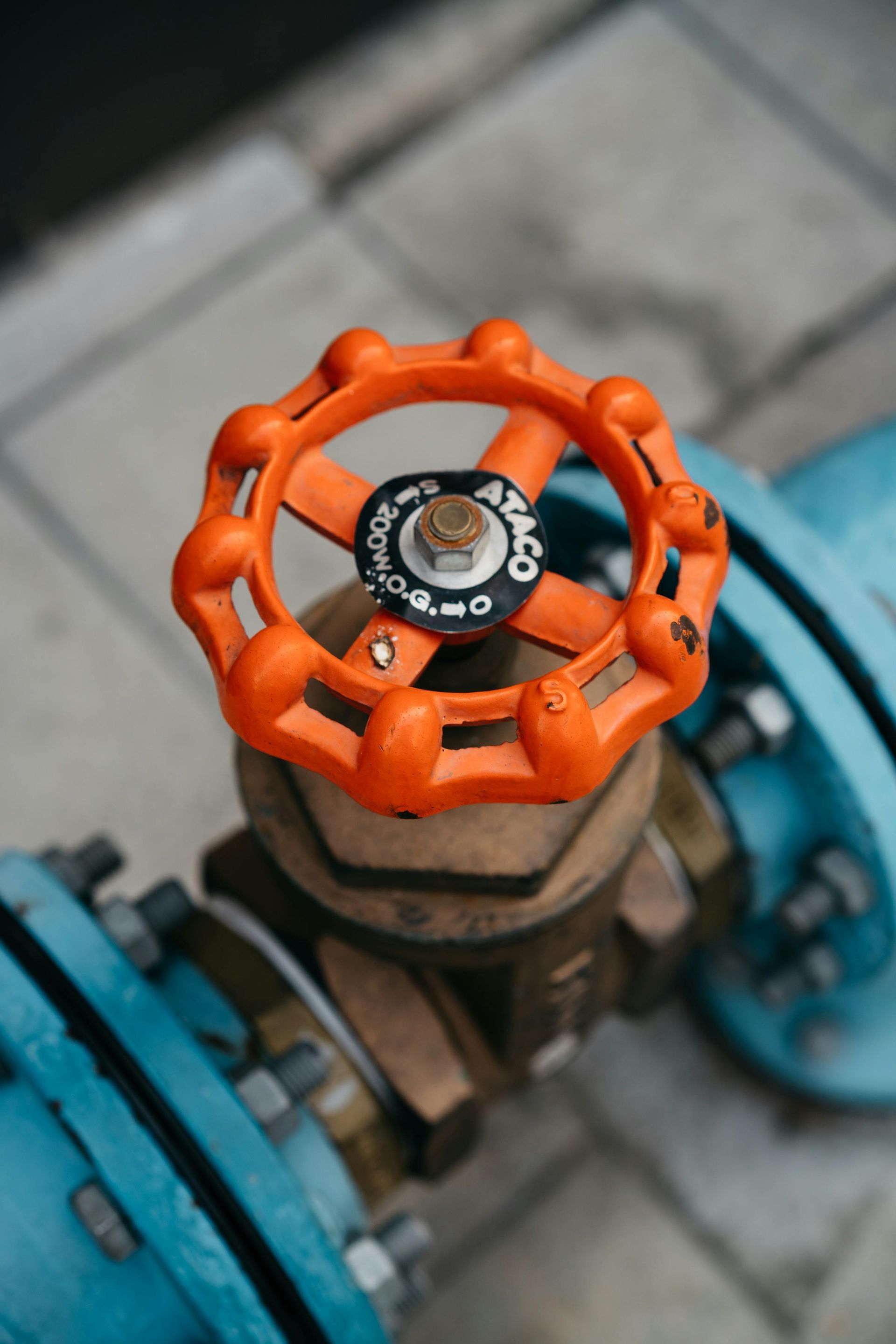
Check if the water isolation tap is fully on
The isolation tap is usually located on the wall near the base of the toilet. If it has been knocked, partially closed after previous work, or never fully reopened, the toilet may refill too slowly or not store enough water for a proper flush.
Look for obvious bowl blockages
If the flush starts but the bowl drains slowly or water rises, look for the most common cause: a blockage in or near the bowl trap.
Toilet paper overload is one possibility. A foreign object is another. In family homes, plumbers often find wipes, sanitary products, cotton buds, and children’s items at the centre of repeat toilet call-outs.
Safe Cistern Checks for a Toilet that Won't Flush
If the quick checks haven’t identified the problem, the next step is a careful look inside the cistern.
Check the lift chain/rod connection
When you press the flush button or handle, a chain or rod should lift the flush valve or flapper. If that linkage has come off, has too much slack, or is sitting crooked, the button may move, but the valve won’t lift enough to release water.
This is one of the simplest causes to spot. If the chain is disconnected or hanging loose, the toilet may appear completely unresponsive even though the rest of the cistern is fine.
Check the flapper/flush valve seal
The flush valve seal needs to lift cleanly and seat properly afterwards. If it is warped, mis-seated, brittle, or worn, the cistern may not empty with enough force to produce a full flush.
Check the water level in the tank
Low water in the cistern means low flushing power. As a general guide, the water should sit roughly 25 mm below the top of the overflow tube. If it sits well below that, you may not have enough stored water for a full flush. If the tank is taking ages to refill after a flush, that’s another clue.
Check the inlet/fill valve performance
The fill valve controls how the tank refills after each flush. If it is slow, sticking, inconsistent, or showing signs of wear, the cistern may never reach the right level.
Watch what happens after flushing. Is the refill weak? Does it stop and start? Does it seem much slower than normal? Those are signs the inlet valve may be struggling.
If parts look cracked, heavily worn, or you’re not confident working around the internals, that’s the point to stop and book a licensed plumber. In NSW, plumbing and drainage work is regulated, and the state requires the right licence or certificate for plumbing, draining and gasfitting work.
Why Toilet Flush Problems Often Come Back to a Blockage
For many households, the most likely answer is still the simplest one: the toilet is blocked, or partly blocked, and the water has nowhere to go fast enough.
Signs Your Toilet is Blocked
A blocked toilet usually gives you more than one warning sign. You might notice:
- The bowl water rising after a flush attempt
- Slow draining
- Gurgling sounds
- Repeated need to flush
- Poor performance that keeps returning after seeming to improve
If multiple fixtures in the home are gurgling or draining badly at the same time, the issue may be deeper in the line than the toilet itself.
Plunger Method That Actually Works
A plunger works best when you use it properly, not aggressively.
- Make sure there is enough water in the bowl to cover the cup and create a seal.
- Create a solid seal by positioning the plunger firmly over the toilet outlet so pressure goes into the blockage instead of escaping around the edges.
- Start gently with the first few pushes to avoid dirty water splashing back out of the bowl.
- Use consistent pumping with steady up-and-down pressure to help loosen and move the blockage.
- Test with a partial flush first to see whether the water drains normally without risking an overflow.
If Plunging Fails: What To Try Next and What To Avoid
- If plunging doesn’t work after a few careful attempts, the safest next step is to stop and avoid risky DIY methods that could make the blockage worse.
- Do not use harsh drain chemicals when water is already backing up, as they can create splash hazards and make the area more dangerous to handle.
- If the bowl keeps filling, drains very slowly, or you notice gurgling and repeated blockages, the problem may be deeper in the line and it’s time to call a plumber.
What NOT to Flush
This is where many repeat toilet issues begin. The rule of thumb is simple: toilet paper and human waste only.
Keep these out of the toilet:
- “Flushable” wipes unless they clearly meet the Australian Flushable Products Standard
- Paper towels and tissues
- Sanitary items
- Nappies
- Cotton buds
- Hair
- Grease or food

When a Toilet that Won't Flush Stops Being a DIY Job
Some toilet problems are straightforward, but others can point to a bigger plumbing issue that needs professional attention. If any of the signs below apply, it’s time to stop DIY and call a licensed plumber.
- The bowl keeps rising or looks close to overflowing.
- You notice sewage smells or gurgling from more than one fixture.
- The toilet keeps blocking repeatedly, even after you clear it.
- The cistern won’t fill properly, keeps running, or parts inside look damaged.
- You’re unsure what’s causing the issue or don’t feel comfortable replacing parts.
Prevention: Keep Your Toilet Flushing Properly
A few simple habits can go a long way in helping you avoid blockages, weak flushes, and unexpected toilet problems. Staying on top of early warning signs can also help you deal with small issues before they turn into a messy emergency.
- Stick to a “toilet paper only” rule to help prevent unnecessary blockages.
- Keep a basic bathroom kit on hand, including a plunger and gloves, so you’re prepared for minor issues.
- Watch for early warning signs like a slower flush, longer refill time, or inconsistent flush strength.
- Deal with minor symptoms early instead of waiting for the toilet to stop working completely.
How Eze-Flow Plumbing Fixes a Toilet That’s Not Flushing
When a toilet won’t flush properly, Eze-Flow Plumbing begins by inspecting both the cistern and the drain line to work out whether the problem is a blockage, a worn internal component, or a larger drainage issue. We also provide solutions for blocked drains, blocked toilets, leaking toilet repairs, and emergency plumbing across the Northern Beaches and North Shore.
Once the cause is identified, we clear the blockage, make sure wastewater is draining properly, and repair or replace worn cistern components such as valves, seals, buttons, and other faulty parts. We also offer practical advice to help prevent the same issue from happening again.
At Eze-Flow Plumbing, our goal is to solve the problem properly the first time and help reduce the risk of another toilet not working or a drain issue down the track. Get in touch with our team for faster diagnosis, reliable repairs, and lasting plumbing solutions.
Conclusion
Start with the simple checks first, like the flush button, water supply, and any obvious blockage signs, then move on to a safe cistern inspection if the problem is still not clear. If that doesn’t reveal the cause, the next step is to look at whether a blockage is stopping the toilet from draining properly.
Safety should always come first. If the bowl water starts rising, stop flushing immediately, and if you’re unsure about any part of the process, avoid risky DIY that could make the problem worse.
If you need help, Eze-Flow Plumbing is here to provide fast, professional support across Sydney’s Northern Beaches and North Shore, with upfront fixed pricing and peace of mind that the job will be handled properly.
Key Takeaways
- Most toilet not flushing problems are caused by a blockage, low cistern water level, or a faulty internal cistern part.
- If the bowl water starts rising, stop flushing straight away to help prevent an overflow.
- A quick check inside the cistern, including the chain or rod, flush valve, water level, and fill valve, can often help identify the issue.
- If the problem keeps happening or doesn’t improve, it’s best to call a licensed plumber like Eze-Flow Plumbing to avoid bigger plumbing and hygiene issues.
Frequently Asked Questions
Why is my toilet not flushing properly but it’s not blocked?
If it is not blocked, the problem is often inside the cistern. Common causes include a loose lift chain, low water level, a worn flush valve seal, a sticking fill valve, or a faulty button mechanism. These problems reduce the force of the flush even when the drain is technically clear.
What causes a weak toilet flush?
A weak flush usually comes from low cistern water, partial blockages, mineral buildup, or worn internal parts. In dual-flush toilets, even a small issue can noticeably reduce performance because the system relies on a precise volume of stored water.
Why does my toilet flush sometimes but not other times?
Intermittent faults often point to a component that is beginning to fail. The chain may be catching, the valve may not be seating consistently, or the tank may be refilling unevenly between uses.
Why does the toilet bowl fill up when I flush?
That usually suggests a blockage in the toilet trap or drain line. The water enters the bowl, but it cannot move away fast enough, so the level rises instead.
How do I know if the problem is in the cistern or the drain?
If pressing the button does little or nothing, the issue is often in the cistern. If the flush starts but the bowl drains slowly, rises, or gurgles, the drain side is more likely. When multiple fixtures are affected, this may point to a deeper drainage problem.
What should the water level be in the toilet cistern?
A common guide is roughly 25 mm below the top of the overflow tube. If it is much lower, the flush can become weak or incomplete.
Can a faulty flapper/flush valve stop a toilet from flushing?
Yes. If the flapper or flush valve does not lift properly or seal correctly, the cistern may not release enough water to create a proper flush. It can also cause ongoing leakage from the tank into the bowl.
Is it safe to use a drain cleaner in a toilet that won’t flush?
Usually not, especially if water is already backing up. Chemical cleaners can sit in the bowl, create splash hazards, and still fail to clear the real obstruction. A plunger, toilet auger, or licensed plumber is generally the safer path.
Why does my toilet keep running after I flush?
A running toilet often means the flapper is not sealing, the fill valve is misbehaving, or the water level is set incorrectly. Yes, it can affect flushing, because the cistern may never hold the proper volume needed for a strong flush.
When should I call a plumber for a toilet that’s not flushing?
Call when the bowl keeps rising, the toilet smells like sewage, other fixtures are gurgling, the problem keeps returning, or the cistern components look damaged. In those cases, you are usually past the point of a simple DIY fix.
You Might Also Like: