

The Hidden Dangers of Using Drain Cleaner Chemical
Clogged drains—every household has had to deal with them at one time or another. Whether it’s a slow drain in the bathroom or a clogged-up kitchen sink, it’s one of those annoying problems that can quickly turn a peaceful day upside down.
Many people turn to quick-fix solutions sitting on the shelves of most supermarkets – chemical drain cleaners. They're popular for good reason as they promise fast results with minimal effort. but are they the best solution for your drains, or do they come with some hidden downsides?
Let’s examine drain cleaner chemicals, their popularity and what you should know before using them.
What Are Drain Cleaner Chemicals?
Chemical drain cleaners are products specifically designed to break down clogs in pipes. They work by dissolving common debris like hair, grease, soap and other materials that can build up, slow down, or block water flow. Often marketed as a quick solution for slow drains or complete blockages, these chemicals promise immediate results, but they come with risks that are important to consider.
So, how do chemical drain cleaners work? Most of these products contain harsh chemicals which generate heat and break down materials causing the blockage, such as grease, hair, or soap scum. While they can be effective at clearing clogs quickly, they also pose risks.
Types of Chemical Drain Cleaners
Chemical drain cleaners fall into a few main categories, each with different components and effects.
Acidic Drain Cleaners
These cleaners typically contain sulfuric or hydrochloric acid. They are highly effective on organic blockages, such as hair and food particles. However, they can be extremely dangerous to handle. The strong acidity can cause burns and the damage can be severe if these cleaners splash on the skin or eyes.
Caustic/Alkaline Drain Cleaners
These products contain lye (sodium hydroxide) or caustic potash. They are designed to break down grease and soap and are less harsh than acidic cleaners. However, they can still cause significant damage to pipes if used excessively or improperly.
Oxidisers
Oxidising drain cleaners contain bleach or peroxides. They work by releasing heat and gas to break down clogs. Unfortunately, they can also damage pipes, especially if they are used repeatedly.
Do Chemical Drain Cleaners Work?
Drain cleaner chemicals can work in certain cases, especially for minor clogs like a bit of grease or soap buildup. They're good for those quick fixes when the water is draining slowly, but if you’ve got a deeper or more stubborn blockage, they might not be up to the task.
Additionally, overusing these products can wear down your pipes over time, leading to costly leaks or even bursts and they come with serious health risks due to the toxic fumes they release.
Professionals often use strong chemical cleaners (usually acidic ones), which are much more effective than the products available in supermarkets. However, these stronger substances require knowledge and proper equipment to use safely. Misusing them can result in more significant problems than the clog itself.
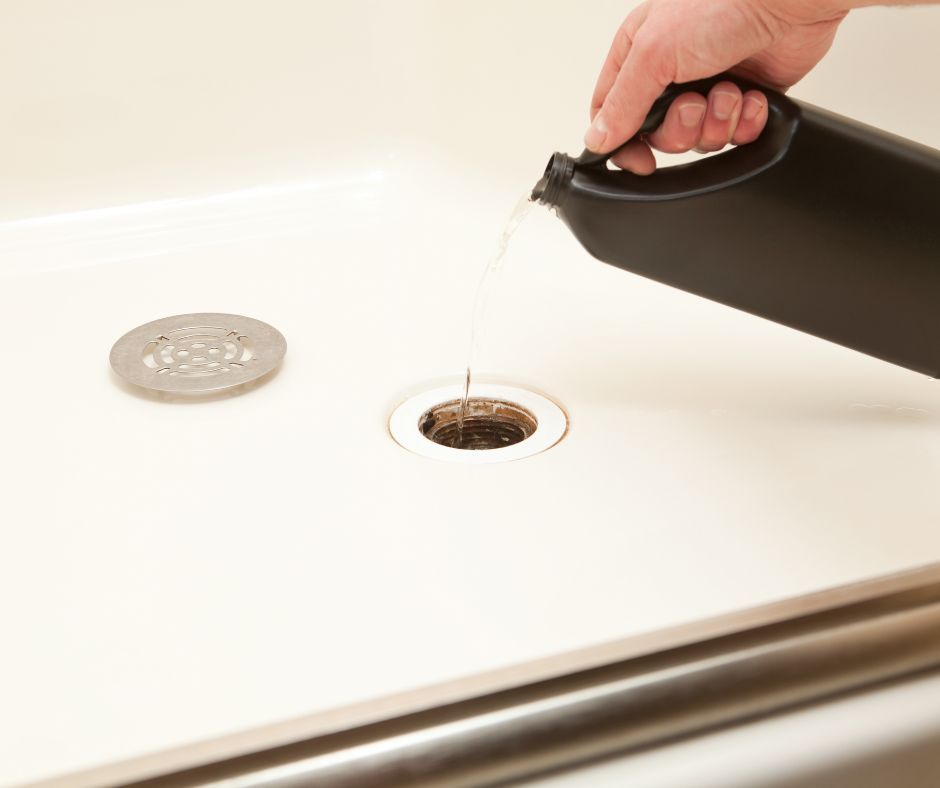
Reasons to Avoid Using a Drain Cleaner Chemical for DIY Fixes
While it might be tempting to grab a bottle of drain cleaner chemical from the supermarket, there are several compelling reasons to reconsider.
Harmful to Your Plumbing
A weak chemical drain cleaner often requires excessive amounts to be effective. This can lead to serious pipe damage over time, increasing the risk of leaks and costly repairs.
Corrosive Chemicals
Long-term use of these products can result in permanent damage to metal, plastic and other pipe materials in your plumbing system.
Health Hazards
The fumes and skin contact with these chemicals can pose significant health risks. Burns, respiratory issues and other complications may arise, especially if proper safety gear is not used during DIY.
Environmental Impact
When chemicals enter water supplies or sewers, they can harm local ecosystems. The runoff can affect wildlife and contribute to broader environmental issues.
Ineffectiveness
Many weak drain cleaners simply don’t work on stubborn clogs. This often leads to repeat purchases without resolving the underlying issues.
Short-Term Solution
While chemical cleaners may clear the immediate blockage, they do not address the root causes of the clogs. If you don’t tackle the underlying problems, the clogs are likely to return.
Not a Preventative Solution
Chemical cleaners do nothing to prevent future clogs from forming. Without proper maintenance, you may find yourself in the same situation repeatedly.
Unpredictable Reactions
Mixing drain cleaner chemical with other household cleaners can result in toxic reactions. This is incredibly dangerous and can create hazardous conditions in your home.
Storage Risks
Many of these cleaners require safe handling and storage to prevent accidents. If they are not stored properly, there is a risk of spills or misuse, especially in homes with children or pets.
Costly in the Long Run
Repeated use of drain cleaner chemicals can lead to high costs over time without delivering long-term results. Instead of solving the problem, they may simply mask it temporarily, leaving you to deal with more extensive repairs down the line.
Safer Alternatives to Chemical Drain Cleaners
Numerous safer, effective alternatives to chemical drain cleaners can effectively tackle clogs without the associated risks. These include:
Plunger
A good old-fashioned plunger is effective for minor clogs and is completely non-corrosive. It’s a simple tool that can make a big difference without the hazards of chemicals.
Homemade Drain Cleaner
You can whip up a safer, eco-friendly mix at home using baking soda and vinegar. Simply pour a cup of baking soda down the drain, followed by a cup of vinegar. Allow it to fizz for about 30 minutes, then flush with hot water. This natural combination can help clear minor blockages.
Call a Professional
While plungers and homemade cleaners can be effective for minor clogs,
it’s always best to consult a professional for more stubborn issues. A professional plumber has the expertise and tools to identify and resolve problems safely and effectively.
Do Chemical Drain Cleaners Work and Should I Use Them?
While drain cleaner chemicals can sometimes do the trick for small, surface-level blockages, they come with a fair share of risks. Not only can they damage your pipes over time, but they also pose risks to your health, plumbing and the environment. It’s a quick fix, but it’s not always the best or safest solution in the long run.
If you’re unsure about using drain cleaner chemicals, it’s always better to call for professional help. Experts have the experience and equipment needed to handle clogged drains without putting you or your plumbing system at risk. They can assess the situation properly and clear the blockage without causing any additional problems, saving you from potential headaches down the track!
Call Eze-Flow Plumbing Instead of Using Drain Cleaner Chemical for DIY Fixes
While it might be tempting to reach for a drain cleaner chemical as a quick DIY fix, it's often not the best idea. These products can do more harm than good by damaging your pipes, posing health risks and harming the environment. So, if you're wondering, "Do chemical drain cleaners work?" The answer is yes, but with significant downsides that can end up costing you more in the long run.
Instead, trust the experts at Eze-Flow Plumbing. Our team provides safe, reliable and professional solutions for all your drain problems, whether you’re in Northern Beaches or in North Shore. If you’re dealing with a clogged drain, skip the DIY and get in touch with us!
You Might Also Like: