

Storm Water Drain Blockage: Common Causes & Solutions
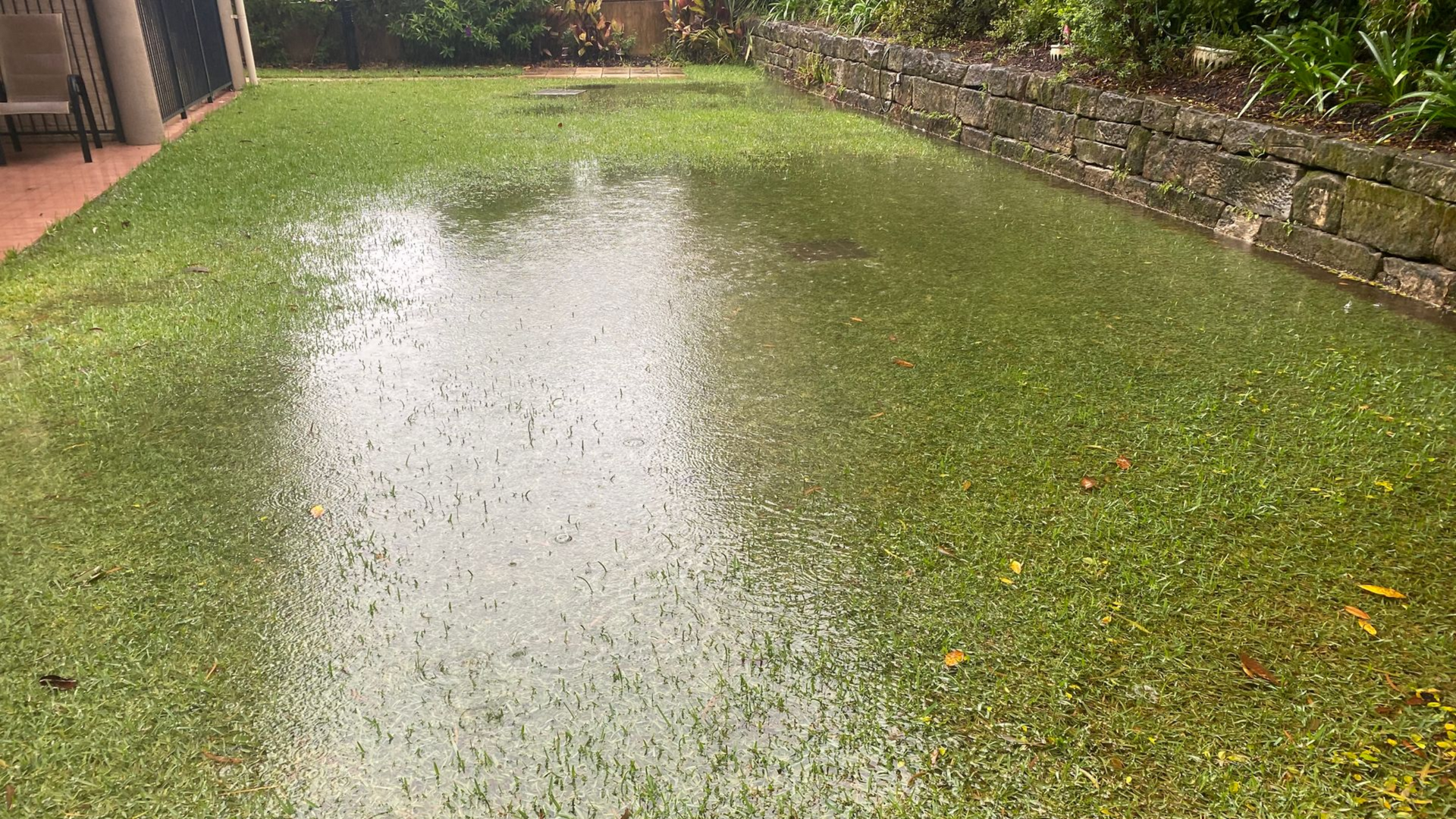
Storm water drain blockage poses a significant risk of flooding which can lead to property damage and potential safety hazards. Additionally, it can also result in environmental contamination due to the overflow of pollutants and debris into surrounding water bodies such as rivers, lakes, and oceans which can harm aquatic life and the ecosystem.
Timely intervention for storm water drain blockage is of utmost importance to mitigate the potential risks and consequences. Therefore, understanding the significance of promptly addressing blocked stormwater drains is crucial to reducing property damage, safeguarding public safety, and promoting environmental sustainability.
What Is a Stormwater Drain Blockage?
You might be wondering what a stormwater drain blockage is. A blocked stormwater drain happens when there’s an obstruction in the pathway designed to carry rainwater away from streets, houses, and other structures.
It happens when foreign objects, like leaves, branches, trash, or sediment, accumulate within the stormwater drain, blocking water flow.
A stormwater drain is a network of pipes, channels, and other structures that are built to collect and channel rainwater runoff from streets, sidewalks, buildings, and other surfaces that do not absorb water.
The purpose of this system is to prevent the accumulation of rainwater and potential damage to properties. These drains are usually connected to the local drainage systems, ensuring that excess water is safely transported away from residential and commercial areas.
Addressing and understanding what a stormwater drain blockage entails is crucial for preventing potential damage, and ensuring the continued functionality of drainage infrastructure. This often requires professional stormwater drain maintenance to remove debris and restore proper water flow efficiently.
5 Common Causes of a Stormwater Drain Blockage
There are a lot of factors that can cause blockage to your stormwater drains. Some of these common causes are:
Tree Roots Infiltration into Pipes
One common cause of blockages in stormwater drains is the infiltration of tree roots into the pipes. As they grow, they can obstruct the flow of water and cause blockages and even structural damage to the pipes.
Accumulation of Garden Debris
Another factor contributing to the stormwater drain blockage is the accumulation of leaves, branches, and other organic materials. These items can be carried by rainwater into the drainage system, where they accumulate and form obstructions, impeding the flow of water.
Broken Pipes
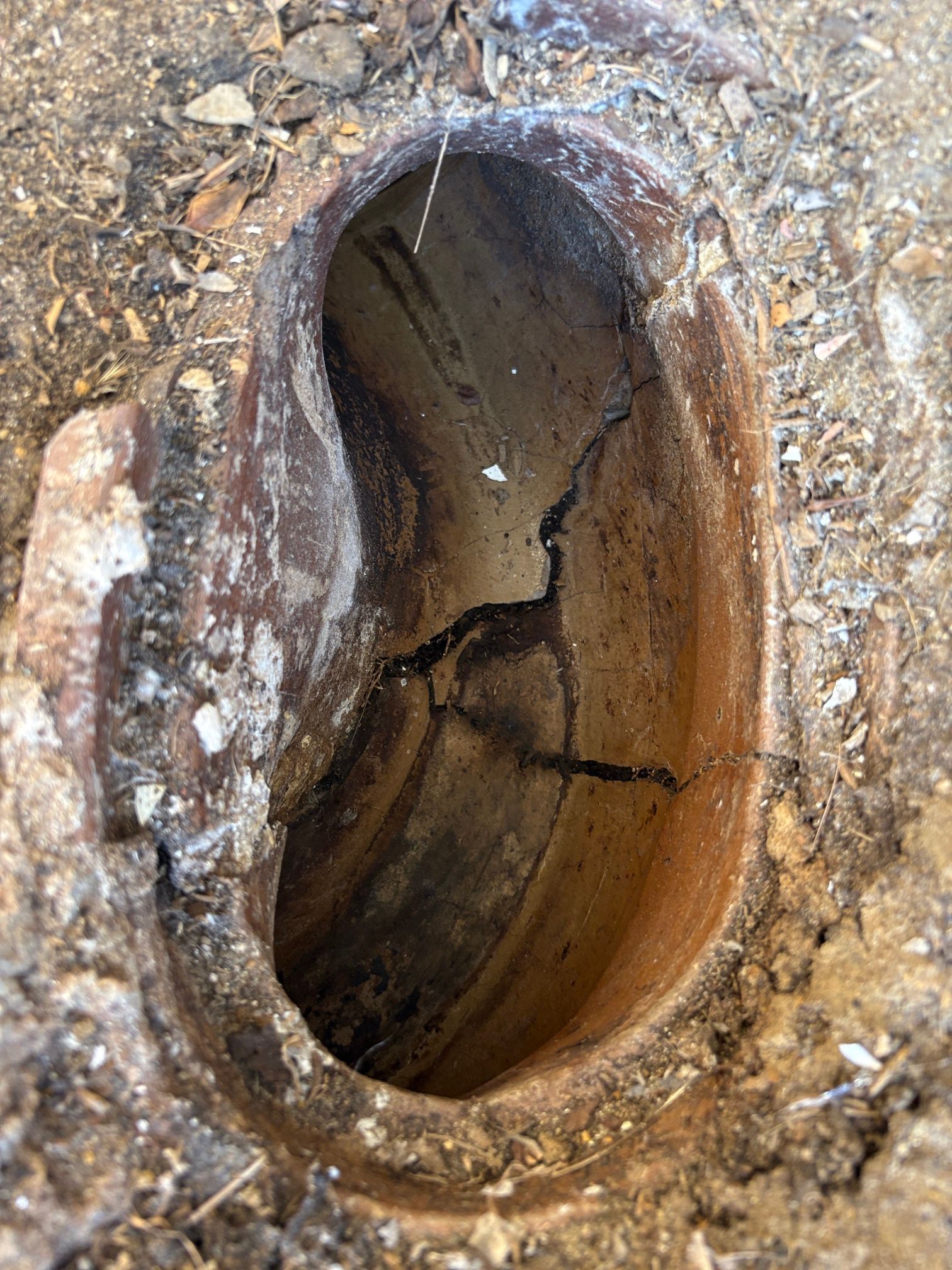
Broken or damaged pipes within the stormwater drainage network can also increase the likelihood of finding your stormwater drain blocked. Cracked or collapsed pipes create bottlenecks in the system and reduce the capacity for water to flow freely.
Poor Installation or Design
Stormwater drainage systems that are poorly designed or installed may be prone to blockages. Inadequate slope gradients, improper pipe sizing, and poorly positioned inlet structures can hinder the efficient water flow and increase the likelihood of blockages.
Corrosion of Pipes Over Time
Over time, stormwater drainage pipes can corrode due to exposure to moisture, chemicals, and environmental factors. Rust and corrosion products can accumulate within the pipes and result in you finding your stormwater drain blocked.
How to Prevent a Storm Water Drain Blockage
Fortunately, there are several proactive measures you can take to prevent blockages.
Regular Inspection and Maintenance
Regular inspection of your stormwater drains is essential for early detection of any potential blockages or damage. Schedule routine inspections at least twice a year, especially before the rainy season begins.
Installing Drain Guards
A drain guard, which functions like a sieve, is a convenient cover that can be attached to the stormwater drain to prevent anything, other than water, from entering the drain. This simple yet effective device helps minimise the risk of blockages caused by solid objects or debris.
Proper Landscaping to Avoid Root Intrusion
Tree roots are notorious for infiltrating drainage pipes which causes blockages and structural damage over time. Avoid planting trees with aggressive root systems near drainage pipes. If you already have existing trees near your drains, consider installing root barriers to prevent root intrusion.
Ensuring Adequate Drainage Around the Property
Proper grading and drainage around your property can help prevent excess water from pooling near stormwater drains. Keep your yard slopes away from your home and towards the drainage system to facilitate proper water flow.
Prompt Repair of Damaged Pipes
Damaged or deteriorating pipes are prone to collapse or blockages which can compromise the functionality of your stormwater drainage system. Have your pipes professionally inspected for signs of cracks, leaks, or corrosion regularly, and promptly repair any issues identified.
Professional Solution To Finding Your Stormwater Drain Blocked
When faced with a stormwater drain blockage, it’s crucial to prioritise seeking professional assistance to ensure a swift and effective resolution. Attempting to tackle such issues without the necessary expertise can lead to further complications and potentially aggravate the problem. By entrusting the task to professionals, you not only save time and effort but also minimise the risk of costly repairs down the line.
At Eze-Flow Plumbing, we boast extensive experience and specialised knowledge in handling stormwater drain services. Our team of skilled technicians is equipped with state-of-the-art tools and techniques to diagnose and address blockages efficiently.
With our commitment to quality service and customer satisfaction, you can trust us to deliver reliable solutions not only to your stormwater drainage needs, but also to septic tanks, drainage, and blocked drains for your Northern Beaches or North Shore property.
Don’t let a stormwater drain blockage disrupt your routine or compromise the integrity of your property. Contact Eze-Flow Plumbing today for prompt and professional assistance.
You Might Also Like: