

Off-Peak Hot Water System: Everything You Should Know
Water heating accounts for 15% to 30% of household energy use in Australia. If you’re keeping an eye on those power bills or looking for a smarter, more efficient solution, off-peak hot water systems offer a cost-effective and eco-friendly way to cut back on energy use.
In this blog, we'll dive into what off-peak water heater systems are, how they work and why they're a smart choice for many Aussie households. We'll also cover when you might need to override them and weigh up the pros and cons of doing so. By the end, you'll have the know-how to keep your hot water running smoothly and economically.
What is Off-Peak Hot Water?
Off-peak hot water is a setup where your water heater only runs during specific times when electricity rates are cheaper, typically late at night or early in the morning. Instead of heating water around the clock, the system fills up your tank and heats it when the demand for electricity is low, keeping costs down and your water ready to go.
By tapping into lower electricity rates during off-peak times, you’re not just saving money on your power bills, you’re also reducing the strain on the grid during peak hours. Brands like Rheem and Rinnai offer a range of reliable water heaters that can handle the daily hot water needs of Aussie families.
How Do Off-Peak Water Heater Work?
The idea is simple: your water heater kicks in during off-peak hours, fills up the tank and heats it up while power costs are lower. You get a full tank of hot water without paying premium electricity prices.
Off-peak electricity periods can vary depending on your location and energy provider. For example, in some areas in NSW, off-peak hours might run from 10 pm to 7 am during weekdays and all day on weekends and on public holidays. It’s worth checking with your energy provider to see what off-peak times are available in your area so you can maximise the savings.
By working around these cheaper electricity times, off-peak hot water gives you the perfect balance of efficiency and affordability.
Can You Override Water Heater Off-Peak?
The short answer is yes, you can override your off-peak water heater setting, but it’s not something you want to do too often! Most systems come with an override function, letting you heat water outside the scheduled off-peak hours.
That said, it’s important to be mindful when overriding the off-peak settings. While it’s an effective option, running your system for too long can lead to a spike in energy costs and, over time, might reduce the efficiency of your system.
Advantages of Overriding Your Off-Peak Hot Water System
While sticking to off-peak hours is ideal, there are moments when overriding your water heater off-peak can be a lifesaver, especially for:
Convenience
Whether it’s an early morning shower or prepping for guests coming over, you don’t have to wait for the tank to heat up during peak hours. Overriding ensures you have instant access to hot water when you need it most.
Immediate Hot Water
Hosting guests or dealing with unexpected high water usage? Overriding lets you replenish your tank without waiting.
Meeting High-Demand Periods
For large households or special occasions, overriding ensures your family’s growing hot water demands are met, so no one has to endure a cold shower.
Disadvantages of Overriding Your Off-Peak Hot Water System
While it sounds convenient, overriding does come with its downsides:
Higher Energy Costs
Using electricity during peak hours comes with a hefty price tag. Overriding too often can quickly inflate your power bill.
Requires a Bigger Tank
You may need a larger storage tank to meet your household’s hot water demand.
Strain on the Electrical Grid
Heating water during peak times increases demand on the grid, which isn’t ideal, especially during high usage periods.
Reduced Energy Efficiency
Overriding your hot water system can chew through more energy than needed, which bumps up your power bill and reduces overall efficiency.
When to Override Off-Peak Water Heater
Overriding your water heater can be a handy solution in certain situations. While it’s best to stick to the off-peak schedule to save on energy costs, here are a few times when hitting that override button makes sense:
Need Instantaneous Hot Water
Emergencies or surprise guests can leave you needing hot water on the spot. Overriding ensures you can access hot water immediately without waiting for the next off-peak cycle.
Schedule Changes
If your household’s routine stretches beyond the usual off-peak hours, overriding can keep everyone happy with a sufficient hot water supply.
Going on Holidays
If you’re heading off for a holiday trip, overriding the system before your return ensures you’ll have hot water waiting when you get back.
Water Heater Isn’t Working Properly
If your hot water system isn’t heating as it should, overriding can serve as a temporary fix while waiting for a repair or replacement.
Power Outage
After a power outage, a water heater off-peak override helps your system recover quickly, ensuring you’re back to your regular hot water supply in no time.
Moving or Selling Your Home
Whether you’re prepping for an inspection or new owners moving in, overriding guarantees the system is up and there’s hot water available for potential buyers or new occupants.
How to Override Your Off-Peak Water Heater System
When it comes to overriding off-peak hot water, a bit of know-how goes a long way in keeping things efficient and hassle-free. Follow these tips to do it smoothly:
Understand Your System
Before making adjustments, learn how your specific water heater operates. Every system’s a bit different, so it’s worth familiarising yourself with the included manual for overriding.
Stick to the Water Heater’s Manual
Your manufacturer’s instructions are your best friend. Always follow them to ensure you’re overriding the system correctly.
Adjust the Timer
Some off-peak hot water systems allow you to tweak the timer settings to help align hot water availability with your household’s changing needs.
Monitor Energy Usage
Keeping an eye on your electricity consumption and tracking your usage helps avoid surprises in power bills.
Be Mindful of Hot Water Demand
Adjust the system settings based on how much hot water your household actually needs to ensure you’re not wasting energy or water.
Perform Manual Override for Immediate Needs
When you’re in a pinch and need hot water right away, use the manual override option, but don’t go overboard.
Consider a Smart Controller
Upgrading to a smart controller can help optimise energy usage by automating heating times based on your household’s patterns.
Regularly Reset Your System
Resetting your water heater off-peak periodically can fix minor glitches and ensure it runs as efficiently as possible.
Regular Maintenance
Schedule regular professional hot water system maintenance to keep your system working as it should and prevent unexpected issues down the line.
Consult Your Energy Provider and Trusted Plumber
If you’re unsure, don’t hesitate to
ask for professional advice. Energy providers can clarify your electricity plan, while plumbers like us at Eze-Flow Plumbing can guide you on the safest way to make adjustments.
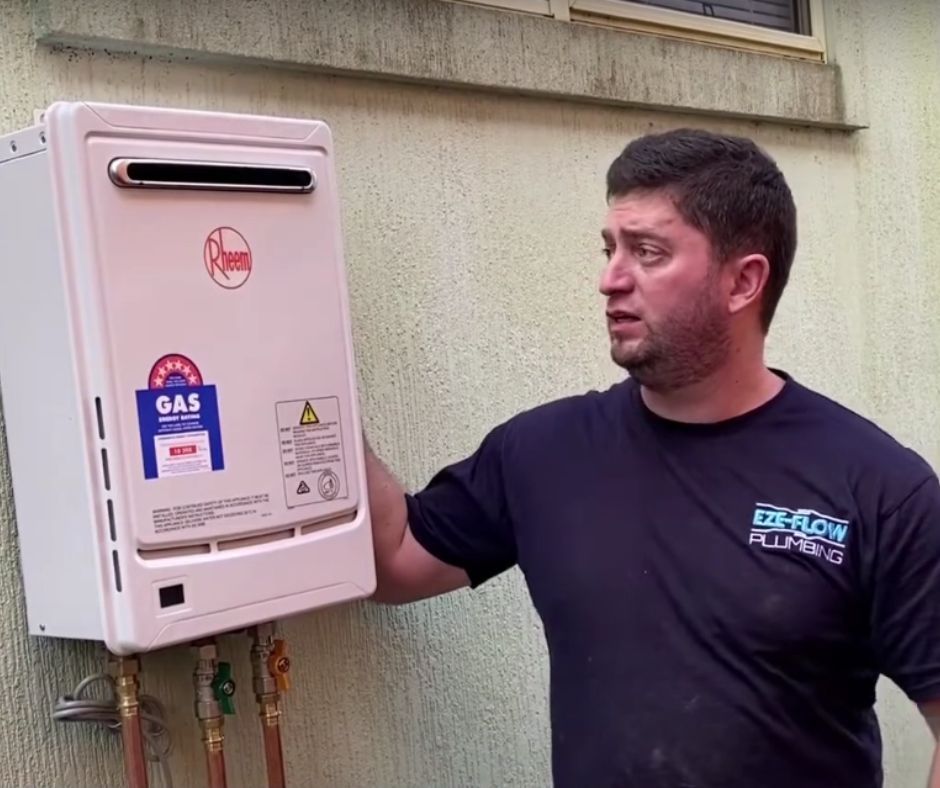
Consult Eze-Flow Plumbing for Professional Advice Regarding Water Heater Off-Peak Systems
Off-peak water heater systems are an excellent way to save money and energy while ensuring a steady supply of hot water, but they do require a bit of know-how to use effectively. Understanding how your system works and knowing when and how to override it can save you from cold showers and hefty power bills.
Whether you’re considering a new hot water system, need help with maintenance or have questions about overrides, Eze-Flow Plumbing is here to help! Our expertise in installing, maintaining and repairing hot water systems in Northern Beaches and North Shore means you can count on us to keep your home or business running smoothly.
Don’t let cold showers or sky-high bills get you down—reach out today!
You Might Also Like: