

3 Tips to Avoid a Flooding Disaster
Would you know what to do if you woke to water flowing from your bathroom in the middle of the night?
Lucky for this young couple they knew what to do! The wife happened to be up with one of their small children a few hours after they had all gone to bed and noticed that the flexible hose had burst in their bathroom. She saved their home from thousands of dollars of damage with 2 simple actions:
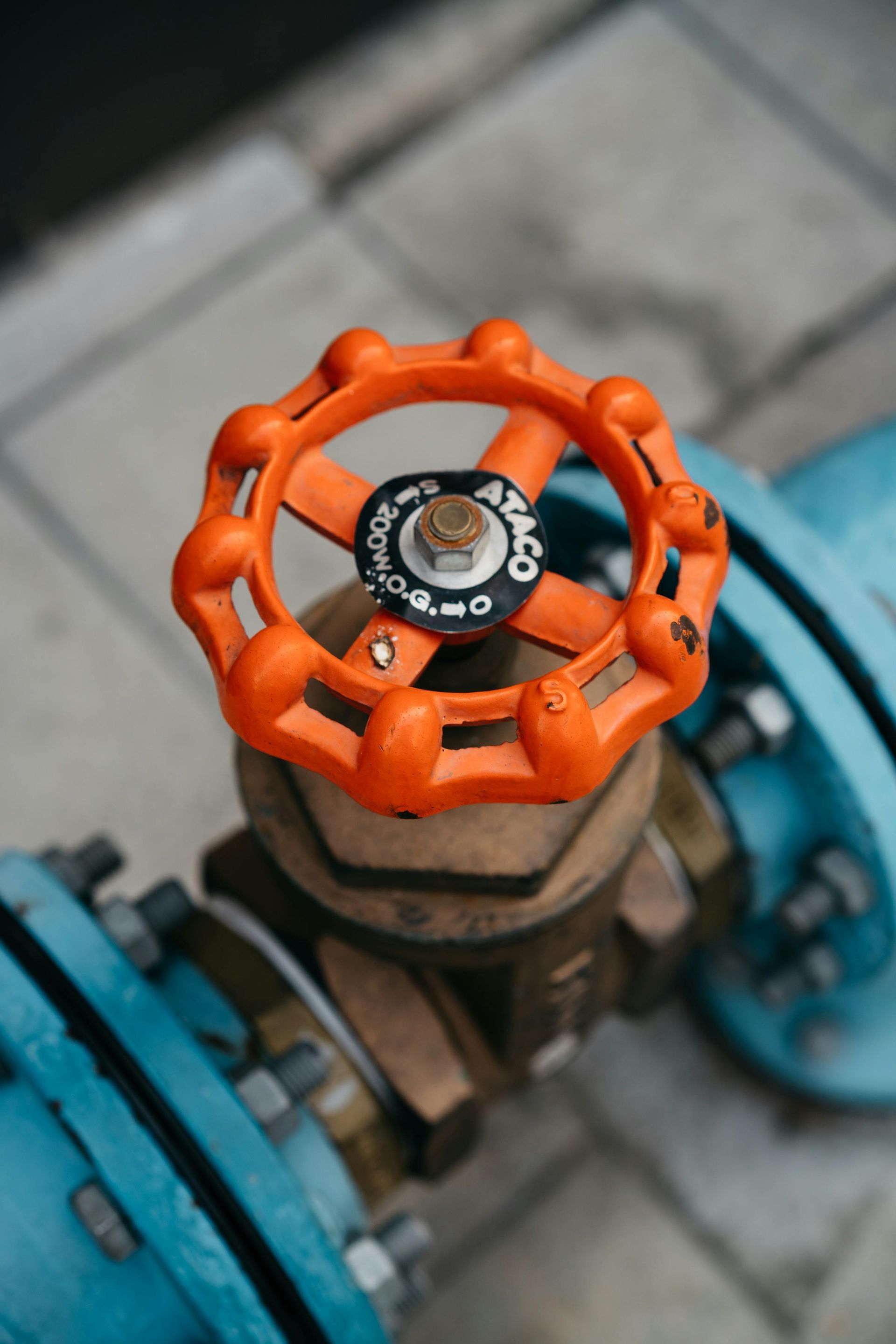
1. They were able to isolate the water leak at the mini isolation taps below the vanity. A functioning mini isolation taps allowed the rest of the house to maintain water until the hoses were able to be replaced the next morning by the plumber.
2. No damage occurred to the carpets outside the bathroom as the floor waste in the bathroom was not blocked by a bathroom floor mat allowing the water to easily drain away.
This couple unfortunately missed a key one:
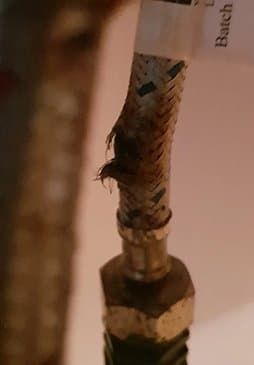
3. It is important to check and inspect all flexible hoses for any wear or signs of corrosion and/or rust every 6 months to 8 months.
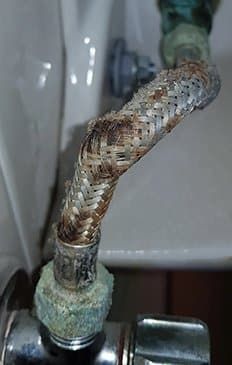
We recommend definitely checking your flexible hoses before you leave your house for a holiday. This couple was very lucky as they had just returned home from a long weekend away, had they burst 24 hours earlier their situation could have been completely disastrous with a different outcome.
There is no denying that the invention of the modern-day stainless steel flexible hose made every plumbers job easier but they also are more aesthetically pleasing than a bent section of copper don’t you think? Like most things unfortunately, there are now lower quality versions that are being sold at our major warehouse retailers. In my experience these cheap knock offs use a lower grade quality stainless steel or a thinner rubber core that corrodes quicker, frays and finally pops causing flooding in your home.
Whilst we were onsite the next morning, I conducted a Plumbing Safety Inspection and found 4 other flexi hoses needing replacement and 2 faulty mini isolation taps. We replaced these flexible hoses with true stainless steel flexible hoses that have a PEX core. This couple will now sleep soundly as they know their plumbing is functioning, up to date and burst proof. Check out the images in the blog to see what a corroded and popped flexible hose looks like.
Next time we are at your property allow us to complete your Plumbing Safety Check to avoid this happening to you. Or Book your free Plumbing Safety Check now with EZE-FLOW Plumbing for your own piece of mind.
You Might Also Like: